A dynamic vocal microphone should suit your voice, room, and setup—not just carry a familiar name. My best overall pick is the Shure SM58 Pro XLR, a straightforward stage-focused choice; the Sennheiser E 835 stands out as another versatile wired option, while the Shure SM7B is better suited to controlled podcast and studio setups. The main tradeoffs are between stage-ready handling and studio flexibility, standard XLR simplicity and USB convenience, and a single dependable mic versus bundled cables or multi-mic kits. Continue reading for the full breakdown and help matching a microphone to your use.

Get audio and creator gear delivered free with Prime
- Fast, free delivery on millions of items
- Prime Video, Amazon Music and more included
- Member-only deals all year
Complete the kit

Key Takeaways
- The SM58 family leads for straightforward stage use: the standard SM58 is the clearest all-round recommendation, while the SM58S adds a body-mounted on/off switch and the cable bundle changes what comes in the box.
- Vocal use and room setup matter more than a long feature list: the SM7B is aimed at podcasting and controlled recording, while handheld cardioid models are simpler fits for live singing.
- Pickup pattern affects positioning: the Shure BETA 58A uses a supercardioid pattern, which can help with stage isolation but asks for more careful mic placement than common cardioid options.
- Connection type narrows the field quickly: the FIFINE K688CT offers USB/XLR flexibility, while most other picks rely on XLR or a simpler 1/4-inch connection, so check compatibility before choosing.
- Bundles trade individual refinement for readiness or quantity: Cable Matters’ two-mic pack and Pyle‘s three-mic kit suit shared or starter setups, while single-mic models are easier to compare for one singer’s needs.
| Weymic WM58 Dynamic Vocal Microphone with Metal Body |  | Best for Feedback-Prone Stages | Microphone type: Dynamic vocal | Polar pattern: Supercardioid | Frequency response: 45 Hz–16,000 Hz | VIEW ON AMAZON | See Our Full Breakdown |
| Mackie EM-89D Dynamic Vocal Microphone |  | Best Ready-to-Use Kit | Microphone type: Dynamic vocal and instrument | Form factor: Handheld | Polar pattern: Cardioid (unidirectional) | VIEW ON AMAZON | See Our Full Breakdown |
| Shure SM58S Pro XLR Dynamic Vocal Microphone with On/Off Switch |  | Best for Live Vocal Control | Microphone type: Cardioid dynamic vocal | Polar pattern: Cardioid (unidirectional) | Connector: 3-pin XLR | VIEW ON AMAZON | See Our Full Breakdown |
| Sennheiser XS 1 Handheld Dynamic Microphone,Black |  | Best Simple Presenter Mic | Microphone type: Handheld dynamic | Polar pattern: Cardioid (unidirectional) | Connector: XLR-3 | VIEW ON AMAZON | See Our Full Breakdown |
| FIFINE AmpliTank K688CT Podcast Microphone Kit, USB/XLR Dynamic Vocal Mic | 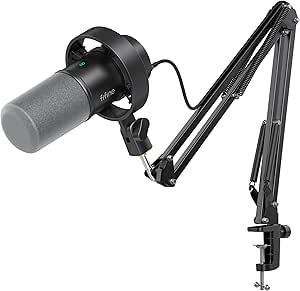 | Best for USB and XLR Flexibility | Microphone type: Dynamic vocal and podcast | Connectivity: USB and XLR | Polar pattern: Unidirectional | VIEW ON AMAZON | See Our Full Breakdown |
| Cable Matters 2-Pack Cardioid Dynamic Vocal Microphones with 15ft Cable |  | Best for Karaoke Duos | Microphone count: 2 | Polar pattern: Unidirectional (cardioid) | Frequency response: 50 Hz–15 kHz | VIEW ON AMAZON | See Our Full Breakdown |
| Shure BETA 58A Supercardioid Dynamic Vocal Microphone |  | Best for Feedback-Prone Stages | Polar pattern: Supercardioid | Frequency response: 50 Hz–16,000 Hz | Connector: XLR | VIEW ON AMAZON | See Our Full Breakdown |
| Pyle Professional Dynamic Vocal Microphone – Cardioid Handheld Microphone with ON/OFF Switch and 15ft XLR Cable |  | Best Value for a Basic XLR Setup | Polar pattern: Unidirectional (cardioid) | Frequency range: 0.05 kHz–15 kHz | Connector: XLR | VIEW ON AMAZON | See Our Full Breakdown |
| Pyle 3 Piece Professional Dynamic Microphone Kit with Hard Carry Case & Accessories |  | Best Multi-Mic Kit | Microphone count: 3 | Pickup pattern: Hypercardioid element; unidirectional | Frequency response: 60 Hz–15 kHz | VIEW ON AMAZON | See Our Full Breakdown |
| Shure SM58 Pro Dynamic Vocal Microphone with 25-ft XLR Cable |  | Best Overall for Vocal Versatility | Polar pattern: Unidirectional (cardioid) | Frequency response: 50 Hz–15,000 Hz | Connector: XLR | VIEW ON AMAZON | See Our Full Breakdown |
| Sennheiser E 835 Dynamic Cardioid Vocal Microphone |  | Best for Live Vocal Consistency | Microphone type: Dynamic | Polar pattern: Unidirectional | Connector: XLR | VIEW ON AMAZON | See Our Full Breakdown |
| FIFINE K6 Karaoke Microphone with 1/4” Plug, Dynamic Vocal Microphone for Singing |  | Best for Simple Karaoke Setups | Microphone type: Dynamic | Polar pattern: Unidirectional | Connector: 6.35 mm (1/4 in) | VIEW ON AMAZON | See Our Full Breakdown |
| Pyle Microphone, Dynamic Cardioid, XLR Cable Included, Unidirectional, Rugged Construction, Built-in Pop Filter, Perfect for Stage & Studio, High Gain, Ultra-Wide Frequency Response, 15ft Cable |  | Best XLR Starter Bundle | Microphone type: Dynamic | Polar pattern: Unidirectional | Connector: XLR | VIEW ON AMAZON | See Our Full Breakdown |
| Shure SM7B Dynamic Vocal Microphone for Podcasting & Streaming |  | Best for Studio Voice Work | Microphone type: Dynamic | Polar pattern: Unidirectional | Connector: XLR | VIEW ON AMAZON | See Our Full Breakdown |
| Shure SM58 Pro XLR Dynamic Vocal Microphone |  | Best for Handheld Stage Vocals | Microphone type: Dynamic | Polar pattern: Unidirectional | Connector: XLR | VIEW ON AMAZON | See Our Full Breakdown |
| dynamic vocal microphone | Polar pattern | Connector | Microphone type | Weight |
|---|---|---|---|---|
| Weymic WM58 Dynamic Vocal Micr | Supercardioid | XLR | Dynamic vocal | — |
| Mackie EM-89D Dynamic Vocal Mi | Cardioid (unidirectional) | XLR | Dynamic vocal and instrument | 0.3 kg |
| Shure SM58S Pro XLR Dynamic Vo | Cardioid (unidirectional) | 3-pin XLR | Cardioid dynamic vocal | — |
| Sennheiser XS 1 Handheld Dynam | Cardioid (unidirectional) | XLR-3 | Handheld dynamic | 15.68 oz |
| FIFINE AmpliTank K688CT Podcas | Unidirectional | — | Dynamic vocal and podcast | — |
| Cable Matters 2-Pack Cardioid | Unidirectional (cardioid) | 6.35 mm jack | — | — |
| Shure BETA 58A Supercardioid D | Supercardioid | XLR | — | 9.92 oz |
| Pyle Professional Dynamic Voca | Unidirectional (cardioid) | XLR | — | 16 oz |
| Pyle 3 Piece Professional Dyna | — | — | — | — |
| Shure SM58 Pro Dynamic Vocal M | Unidirectional (cardioid) | XLR | — | 0.32 kg |
| Sennheiser E 835 Dynamic Cardi | Unidirectional | XLR | Dynamic | 11.6 oz |
| FIFINE K6 Karaoke Microphone w | Unidirectional | 6.35 mm (1/4 in) | Dynamic | 560 g |
| Pyle Microphone | Unidirectional | XLR | Dynamic | 16 oz |
| Shure SM7B Dynamic Vocal Micro | Unidirectional | XLR | Dynamic | 2.7 lb |
| Shure SM58 Pro XLR Dynamic Voc | Unidirectional | XLR | Dynamic | 310 g |
More Details on Our Top Picks
Weymic WM58 Dynamic Vocal Microphone with Metal Body
The Weymic WM58 is the lineup’s focused choice for singers working near loud monitors or instruments: its supercardioid pattern narrows pickup more than the cardioid Mackie EM-89D, which can help limit competing sound and feedback when the mic is positioned carefully. Its zinc alloy body and XLR connection suit a straightforward wired stage setup, while the stated 45 Hz–16 kHz response covers a broad vocal range. Compared with the Shure SM58S, though, the WM58 gives up the practical built-in mute switch and the established vocal-specific feature set described for that model. The main setup catch is simple but easy to miss: no cable is included, and connecting to equipment without XLR may call for an adapter. Choose it for directional control, not an all-in-one kit.
Pros:- Supercardioid pickup can help reject off-axis stage sound when positioned correctly.
- Zinc alloy metal construction is suited to regular handling.
- XLR connector works with compatible mixers and audio interfaces.
- Specified 45 Hz–16 kHz response accommodates a broad vocal range.
Cons:- Microphone-only package means a compatible cable must be sourced separately.
- Supercardioid pickup calls for more careful positioning than the cardioid Mackie EM-89D.
- May require an adapter for equipment without an XLR input.
Best for: Singers using a wired PA on a stage with nearby monitors who already have an XLR cable and want tighter pickup control.
Not ideal for: First-time buyers without a cable or suitable XLR input, and performers who want a familiar cardioid pickup or an included accessory kit.
- Microphone type:Dynamic vocal
- Polar pattern:Supercardioid
- Frequency response:45 Hz–16,000 Hz
- Impedance:600 ohms
- Sensitivity:-52 dB
- Connector:XLR
- Body material:Zinc alloy metal
- Included items:Microphone only; cable not included
Our verdict“Choose the WM58 if tighter stage pickup matters more than included accessories or the SM58S’s onboard mute switch.”
Mackie EM-89D Dynamic Vocal Microphone
The Mackie EM-89D earns its place as the easiest stage-oriented package to put to work: it comes with an XLR cable, mic clip, and zipper pouch, while the Weymic WM58 includes the microphone alone. That difference matters for a new vocal setup, where missing a cable can stop a rehearsal before it starts. Its cardioid pattern is a familiar fit for live vocals and can also handle instruments, making it more flexible than a mic aimed mainly at vocal use, such as the Shure SM58S. The metal-and-plastic enclosure is described as road-worthy, though the supplied information gives less detail about its construction than the Weymic’s zinc alloy body. The listing also says it requires an AAA battery, so check the package and intended setup rather than assuming the included cable is the only requirement.
Pros:- Includes an XLR cable, mic clip, and zipper pouch for a more complete setup.
- Cardioid pattern suits straightforward live vocal use.
- Listed for both vocals and instruments.
- Handheld form and metal-and-plastic enclosure suit portable use.
Cons:- The listing specifies an AAA battery requirement, which may add a setup step.
- Cardioid pickup is less narrowly focused than the Weymic WM58’s supercardioid pattern.
- Wired XLR operation does not provide wireless mobility.
Best for: Performers and home-recording beginners who need a cardioid XLR microphone with a cable, clip, and storage pouch in the box.
Not ideal for: Buyers who specifically need supercardioid pickup like the Weymic WM58, or anyone seeking a battery-free setup without first checking the stated power requirement.
- Microphone type:Dynamic vocal and instrument
- Form factor:Handheld
- Polar pattern:Cardioid (unidirectional)
- Connector:XLR
- Connectivity:Wired
- Weight:0.3 kg
- Included accessories:Mic clip, XLR cable, zipper pouch
- Power requirement:1 AAA battery listed
Our verdict“Pick the EM-89D if you want a general-purpose cardioid mic with the basic cable and handling accessories included.”
Shure SM58S Pro XLR Dynamic Vocal Microphone with On/Off Switch
The Shure SM58S is the most stage-specific choice here for performers who want a familiar vocal-focused design plus a way to mute without reaching for the mixer. Its cardioid pickup, internal filtering, and hardened grille are described as helping manage off-axis noise, plosives, and handling sounds during close-mic performance. That gives it a different advantage from the Weymic WM58: the Weymic uses a tighter supercardioid pattern, while the Shure pairs cardioid pickup with an integrated on/off switch. The Mackie EM-89D includes a cable and pouch, but the SM58S’s switch can be more useful for quick control between spoken turns or songs. It is still a wired XLR microphone, and the product information does not list an XLR cable among the included items. Buyers should also note that its stated frequency-response figures vary across the supplied listing data.
Pros:- Integrated on/off switch allows quick muting without unplugging.
- Cardioid pattern is intended to focus on the performer and reject off-axis sound.
- Hardened grille and internal filtering are designed to reduce plosives, breath, and handling noise.
- Includes a swivel stand adapter and storage bag according to the product details.
Cons:- An XLR cable is not listed among the included items.
- Cardioid pickup is less narrow than the Weymic WM58’s supercardioid pattern.
- Wired XLR connection requires compatible audio equipment and does not connect directly by USB.
Best for: Gigging singers, presenters, and rehearsal leaders who want a vocal-oriented cardioid mic and a physical mute switch.
Not ideal for: Buyers who need an included XLR cable, a narrower supercardioid pattern, or a USB connection for direct computer use.
- Microphone type:Cardioid dynamic vocal
- Polar pattern:Cardioid (unidirectional)
- Connector:3-pin XLR
- Impedance:150 ohms
- Sensitivity:54.5 dB
- Frequency range:50 Hz–15 kHz
- Special feature:Integrated on/off switch
- Included items:Swivel stand adapter and storage bag
Our verdict“Choose the SM58S if stage-ready vocal handling and a built-in mute switch matter more than a bundled cable or USB convenience.”
Sennheiser XS 1 Handheld Dynamic Microphone,Black
The Sennheiser XS 1 is a clean, uncomplicated option for speech and singing when the priority is a handheld XLR mic with a cardioid pattern and silent mute switch. Its supplied description also lists a mic clip and carry pouch, covering the basics without the larger boom-arm setup included with the FIFINE AmpliTank K688CT. Compared with the Mackie EM-89D, the XS 1 is presented as a simple handheld vocal microphone rather than a dual-purpose vocal-and-instrument pick with a cable in the package. The listing does not specify an included cable, so buyers should plan for one separately. It also provides little detail about frequency response or sensitivity, making it harder to match the XS 1 to a particular vocal tone from the supplied specs alone. Its straightforward controls and XLR connection suit a PA, but not direct USB recording.
Pros:- Cardioid dynamic design fits common vocal and speech setups.
- Silent mute switch provides quick control between uses.
- Mic clip and carrying pouch are listed as included.
- XLR-3 connection suits compatible mixers and amplifiers.
Cons:- An XLR cable is not listed among the included accessories.
- The supplied product data does not state a frequency response.
- Lacks the USB connection and desk boom accessories of the FIFINE AmpliTank K688CT.
Best for: Presenters, community performers, and karaoke users who want a basic handheld cardioid XLR mic with a mute switch and pouch.
Not ideal for: Computer users seeking USB connectivity, buyers needing detailed published response specifications, or anyone who expects an XLR cable in the package.
- Microphone type:Handheld dynamic
- Polar pattern:Cardioid (unidirectional)
- Connector:XLR-3
- Special feature:Silent mute switch
- Signal-to-noise ratio:103 dB
- Weight:15.68 oz
- Included accessories:Mic clip and carrying pouch
Our verdict“Pick the XS 1 for a simple handheld XLR vocal setup with a mute switch, provided you already have a cable and compatible input.”
FIFINE AmpliTank K688CT Podcast Microphone Kit, USB/XLR Dynamic Vocal Mic
The FIFINE AmpliTank K688CT is the most adaptable desk-based choice in this group: its USB and XLR connections let a creator start on a computer and later move to an audio interface, unlike the XLR-only Shure SM58S and Sennheiser XS 1. The included boom arm, shock mount, and windscreen also make it a more complete recording setup than the handheld Mackie EM-89D. For streaming or voice work, the onboard mute, gain control, and headphone monitoring can reduce trips through software menus. There is an important limitation: those controls are disabled over XLR, so they are most useful in USB mode rather than as universal controls. The arm and mount add bulk, and the clamp only fits desks thinner than two inches. This makes the K688CT better suited to a fixed workstation than a stage bag.
Pros:- USB and XLR connectivity supports computer recording and interface-based setups.
- USB-mode mute, gain control, and headphone monitoring provide convenient desk control.
- Boom arm, shock mount, and windscreen are included for a ready recording station.
- Cardioid-style unidirectional pickup is suited to a single nearby speaker.
Cons:- Mute, gain, and volume functions are disabled when using XLR.
- C-clamp fits desks thinner than two inches, limiting placement options.
- Arm and shock-mount setup is bulkier and less portable than handheld options such as the SM58S.
Best for: Streamers, podcasters, and home creators who want a desk-mounted dynamic mic that can connect by USB now and XLR later.
Not ideal for: Touring singers who need a compact handheld microphone, or XLR users who expect the onboard mute and gain controls to remain active.
- Microphone type:Dynamic vocal and podcast
- Connectivity:USB and XLR
- Polar pattern:Unidirectional
- Frequency range:50 Hz–16 kHz
- Signal-to-noise ratio:80 dB
- Special features:Mute, gain control, headphone monitoring
- Included accessories:Metal boom arm, windscreen, shock mount
- Desk clamp limit:Fits desks thinner than 2 inches
Our verdict“Choose the K688CT for a fixed streaming or podcast desk where USB controls and future XLR use outweigh portability.”
Cable Matters 2-Pack Cardioid Dynamic Vocal Microphones with 15ft Cable
I’d choose this set when the main need is two wired vocal mics in one package, rather than a single stage mic with more specialized performance features. Each handheld microphone has a cardioid pickup pattern and a 15-foot cable, giving singers room to move around a karaoke setup while helping keep attention on the voice. The plug-and-play format is simpler than the XLR setup of the Shure BETA 58A, though it doesn’t offer that model’s supercardioid pattern for stronger feedback rejection in demanding live sound. Metal enclosures are a practical plus for shared use. The tradeoff is flexibility: these are wired, the listed frequency response is narrower than the BETA 58A’s, and the supplied connection is aimed at compatible karaoke or AUX-style equipment rather than a fully specified professional XLR chain.
Pros:- Includes two microphones, making it useful for duets and group karaoke
- 15-foot cables allow movement around a home or party setup
- Cardioid pickup focuses on the singer rather than surrounding sound
- Metal enclosures are suited to shared, frequent handling
Cons:- Wired operation limits movement compared with wireless systems
- The listed connection and compatibility are oriented toward karaoke equipment, not a clearly specified XLR setup
- Its 50 Hz–15 kHz range is less broad than the Shure BETA 58A’s listed range
Best for: Two singers, families, or karaoke hosts who need a pair of wired microphones with long cables for a compatible karaoke system.
Not ideal for: Performers who need wireless movement, professional XLR connectivity, or stronger feedback control for loud stages.
- Microphone count:2
- Polar pattern:Unidirectional (cardioid)
- Frequency response:50 Hz–15 kHz
- Cable length:15 ft per microphone
- Connector:6.35 mm jack
- Impedance:600 ohms
- Form factor:Handheld
- Enclosure material:Metal
Our verdict“Pick this two-mic set for compatible karaoke setups and duets, but choose an XLR model like the Shure BETA 58A for more demanding stage use.”
Shure BETA 58A Supercardioid Dynamic Vocal Microphone
The BETA 58A earns its place for singers who need focused pickup and extra feedback resistance on a loud stage. Its supercardioid pattern narrows the area it captures compared with the cardioid Shure SM58, which can help when monitors and other sound sources compete with the lead vocal. The listed 50 Hz–16 kHz response also extends beyond the SM58’s supplied 50 Hz–15 kHz range. Those advantages ask for more care: supercardioid microphones are more sensitive to placement and monitor position, so this is not automatically the easiest choice for casual karaoke or a beginner’s simple setup. It uses a wired XLR connection, not a wireless system or direct USB connection. For a performer with suitable audio gear, its alloy-steel construction and shock-mount system suit regular stage and studio work.
Pros:- Supercardioid pattern helps reject off-axis stage sound and manage feedback
- 50 Hz–16 kHz response covers a broad vocal range
- Rugged alloy-steel construction with a steel grille and shock-mount system
- Suitable for both live vocals and studio recording
Cons:- Supercardioid pickup calls for more careful mic and monitor placement than a cardioid model
- Requires an XLR connection and compatible audio equipment
- Wired design does not provide wireless mobility
Best for: Gigging vocalists using an XLR sound system who need tighter pickup and feedback control around loud stage monitors.
Not ideal for: Karaoke users, beginners without XLR equipment, or singers who want a forgiving cardioid pattern and simple setup.
- Polar pattern:Supercardioid
- Frequency response:50 Hz–16,000 Hz
- Connector:XLR
- Construction:Alloy steel
- Weight:9.92 oz
- Dimensions:6.5 × 2 × 2 in
- Signal-to-noise ratio:72 dB
- Form factor:Wired handheld microphone
Our verdict“Choose the BETA 58A if your XLR stage setup needs tighter feedback control; choose the SM58 for a more forgiving cardioid option.”
Pyle Professional Dynamic Vocal Microphone – Cardioid Handheld Microphone with ON/OFF Switch and 15ft XLR Cable
This Pyle is a straightforward entry point for buyers who want a handheld dynamic mic, an on/off switch, and a cable included. Its cardioid pattern is a familiar fit for live vocals and small recording setups, while the 15-foot XLR-to-1/4-inch cable can connect to compatible equipment without a separate cable purchase. Compared with the Shure SM58, the Pyle supplies useful setup basics but doesn’t carry the same established vocal-mic positioning or listed shock-mount details. Its reported 0.05–15 kHz range gives a clear boundary for what to expect, rather than a claim of extended high-frequency capture. The metal-and-zinc construction aims for durability, but the listed weight of 16 ounces may feel tiring during long handheld sets. It is a corded option, so singers seeking freedom from cables should look elsewhere.
Pros:- Includes a 15-foot XLR-to-1/4-inch cable for compatible equipment
- On/off switch offers simple control between uses
- Cardioid pickup is suited to isolating a close vocal source
- Metal and zinc construction is intended for regular handling
Cons:- Listed weight of 16 ounces may be cumbersome for long performances
- Corded design limits movement and requires compatible connections
- The listed frequency range ends at 15 kHz
Best for: New performers or small venues that need an affordable-style wired vocal setup with a switch and a long included cable.
Not ideal for: Singers who prioritize a lighter handheld mic, wireless movement, or the more established stage-oriented feature set of the Shure SM58.
- Polar pattern:Unidirectional (cardioid)
- Frequency range:0.05 kHz–15 kHz
- Connector:XLR
- Included cable:15 ft XLR-to-1/4-inch
- Impedance:600 ohms
- Weight:16 oz
- Special feature:On/off switch
- Enclosure materials:Plastic and zinc
Our verdict“Choose the Pyle for a basic wired vocal setup with a cable and switch included, but opt for the SM58 if stage-proven vocal design matters more.”
Pyle 3 Piece Professional Dynamic Microphone Kit with Hard Carry Case & Accessories
For a band, rehearsal room, or event organizer outfitting several vocal positions, this kit’s main advantage is three microphones plus cables and a hard case. That makes it more practical as a shared setup than buying the single Shure BETA 58A, though the Pyle kit does not offer the BETA’s supercardioid pickup for demanding feedback control. The microphones use a hypercardioid element and are described as unidirectional, with a 60 Hz–15 kHz response and metal construction. That combination suits general vocals and instruments, but it is not the widest listed range in this group. The case also makes storage and transport easier. The compromise is that a multi-mic bundle adds less value to a solo performer, and its XLR-to-1/4-inch cable specification may not match every mixer or interface without checking the input connection first.
Pros:- Three microphones support multiple singers or instrument positions
- Hard carry case helps keep the microphones and accessories together
- Metal construction is suited to shared rehearsal and event use
- Hypercardioid element provides focused directional pickup
Cons:- The 60 Hz–15 kHz response is narrower than the Shure BETA 58A’s listed range
- XLR-to-1/4-inch cable connections may not suit every mixer or interface
- The three-mic bundle is unnecessary for many solo users
Best for: Bands, rehearsal spaces, and community event organizers who need several wired microphones and a case for shared transport.
Not ideal for: Solo vocalists seeking a single higher-end stage mic, or buyers whose audio gear requires a different cable connection.
- Microphone count:3
- Pickup pattern:Hypercardioid element; unidirectional
- Frequency response:60 Hz–15 kHz
- Output impedance:600 ohms
- Cable connectors:XLR to 1/4 in
- Cable length:26+ ft
- Mic dimensions:6.7 × 1.8 in
- Construction:Zinc alloy
Our verdict“Pick this kit when you need several mics and organized transport; choose the BETA 58A for a single vocal mic geared toward tighter stage control.”
Shure SM58 Pro Dynamic Vocal Microphone with 25-ft XLR Cable
The SM58 is the most versatile pick here for buyers who want a cardioid dynamic mic built around vocals rather than a karaoke bundle or a specialized pickup pattern. Its cardioid response helps focus on the singer while reducing background pickup, and the spherical grille with built-in pop filtering helps tame breath and plosive noise without an added screen. Compared with the Shure BETA 58A, the SM58 gives up the tighter supercardioid pattern and the BETA’s higher listed frequency ceiling, but its cardioid pattern is a more straightforward fit for a broad range of live and studio vocal setups. This edition includes a 25-foot XLR cable, longer than the Pyle PDMIC59’s included cable. It remains a wired microphone and needs compatible XLR equipment; buyers seeking USB simplicity or wireless movement should choose another type.
Pros:- Cardioid pattern focuses on the primary voice and reduces unwanted background pickup
- Built-in spherical filter and pop filter help reduce breath and plosive noise
- Includes a 25-foot XLR cable for flexible stage or studio placement
- Metal construction and internal shock mounting suit regular performance use
Cons:- Requires compatible XLR equipment and does not connect directly by USB
- Wired operation limits freedom of movement
- The cardioid pattern offers less focused rejection than the BETA 58A’s supercardioid pattern
Best for: Singers, presenters, and home-studio vocalists who need a durable cardioid dynamic mic with an included long XLR cable.
Not ideal for: People who need wireless or USB connectivity, or stage performers seeking the BETA 58A’s narrower supercardioid pickup.
- Polar pattern:Unidirectional (cardioid)
- Frequency response:50 Hz–15,000 Hz
- Connector:XLR
- Included cable:25 ft XLR
- Form factor:Handheld
- Enclosure material:Metal
- Weight:0.32 kg
- Signal-to-noise ratio:78 dB
Our verdict“Choose the SM58 for a durable, broadly useful wired vocal mic with a long cable; choose the BETA 58A when tighter stage pickup is the priority.”
Sennheiser E 835 Dynamic Cardioid Vocal Microphone
The Sennheiser E 835 is a strong choice for singers who want a dependable wired stage mic with a focused cardioid pickup pattern. Its feedback rejection and internal damping help keep vocals steady in louder rooms, while the metal body is suited to regular gigging. Compared with the Shure SM58, the E 835 is another straightforward XLR option, but its appeal here is the emphasis on consistent sound as a performer moves around the mic. The included clip and pouch make it easier to carry as a stage setup. The tradeoff is a conventional wired connection: it needs an XLR cable and suitable mixer or interface, and it has no wireless option. Buyers seeking USB convenience or a karaoke-style 1/4-inch plug should look elsewhere.
Pros:- Cardioid pickup pattern helps reduce feedback and surrounding sound
- Internal damping supports consistent vocal reproduction
- Rugged metal construction suits repeated stage use
- Includes a microphone clip and carrying pouch
Cons:- Requires an XLR cable and compatible audio equipment
- No wireless or USB connection option
Best for: Gigging vocalists who need a rugged XLR microphone with feedback control and a consistent sound on stage
Not ideal for: Singers who need wireless operation, USB connectivity, or direct connection to a 1/4-inch-only karaoke speaker
- Microphone type:Dynamic
- Polar pattern:Unidirectional
- Connector:XLR
- Frequency response:16 kHz
- Weight:11.6 oz
- Dimensions:7 x 3 x 3 in
- Enclosure material:Metal
- Included accessories:MZQ 800 clip and carrying pouch
Our verdict“Choose the E 835 for dependable, feedback-conscious live vocals over XLR, but skip it if you need a wireless or plug-and-play USB setup.”
FIFINE K6 Karaoke Microphone with 1/4” Plug, Dynamic Vocal Microphone for Singing
The FIFINE K6 is aimed at karaoke and basic PA use, not at buyers building a conventional XLR vocal rig. Its 6.35 mm plug connects directly to compatible amplifiers, mixers, and speakers, and the 14.8-foot cable gives a singer room to move without adding a separate lead. An on/off switch makes it easy to silence between turns. Compared with the Sennheiser E 835, the K6 is more convenient for a compatible karaoke system, while the E 835 is the better fit for an XLR stage setup. The K6’s metal construction is reassuring, but its fixed connector limits where it can plug in; it will not connect directly to a 3.5 mm port. Its listed frequency range of 50 Hz–8 kHz is also narrower than the wider vocal ranges listed for some alternatives.
Pros:- 14.8-foot cable allows room to move around a compatible PA setup
- 6.35 mm plug suits many karaoke amplifiers and speakers
- On/off switch offers simple control between uses
- Metal enclosure is built for regular handheld use
Cons:- 6.35 mm connection limits compatibility and does not fit 3.5 mm ports
- Requires a compatible amplifier, mixer, or speaker input
- No wireless or battery-powered operation
Best for: Karaoke singers and community-event hosts with an amplifier or PA speaker that has a 6.35 mm microphone input
Not ideal for: Home-recording users with an XLR interface, people relying on 3.5 mm inputs, or performers who need wireless freedom
- Microphone type:Dynamic
- Polar pattern:Unidirectional
- Connector:6.35 mm (1/4 in)
- Cable length:14.8 ft
- Frequency range:50 Hz–8 kHz
- Form factor:Handheld
- Weight:560 g
- Enclosure material:Metal
Our verdict“Pick the K6 for straightforward wired karaoke with a 6.35 mm input, but choose an XLR model such as the Sennheiser E 835 for a standard stage or recording rig.”
Pyle Microphone, Dynamic Cardioid, XLR Cable Included, Unidirectional, Rugged Construction, Built-in Pop Filter, Perfect for Stage & Studio, High Gain, Ultra-Wide Frequency Response, 15ft Cable
This Pyle dynamic microphone makes sense for a buyer who wants a wired XLR mic and cable in one package. Its unidirectional pickup pattern is intended to focus on the singer and limit some surrounding sound, while the built-in pop filter and windscreen help reduce breath and plosive noise without a separate accessory. The included 15-foot XLR cable is a practical advantage over models that require a cable purchase. Compared with the Sennheiser E 835, the Pyle offers a ready-to-connect bundle, but the E 835 is the more clearly specified stage-focused alternative. The Pyle’s supplied data lists a 50 Hz–15 kHz range and 600-ohm impedance; buyers should check their mixer or interface compatibility and not treat broad claims such as “high gain” as a substitute for detailed output specifications. Its passive design needs no batteries.
Pros:- Includes a 15-foot XLR cable for a ready-to-connect setup
- Unidirectional pattern is suited to isolating a close vocal source
- Built-in pop filter and windscreen help limit breath noise
- Passive operation requires no batteries or phantom power
Cons:- XLR connection requires a compatible mixer, interface, or PA input
- Specification details are less complete than those provided for the Sennheiser E 835
- No USB or wireless option
Best for: New performers or rehearsal-space owners who need a basic XLR dynamic mic with a cable included
Not ideal for: Buyers seeking a premium studio microphone, USB connection, or detailed manufacturer specifications for a carefully matched recording chain
- Microphone type:Dynamic
- Polar pattern:Unidirectional
- Connector:XLR
- Frequency range:50 Hz–15 kHz
- Impedance:600 ohms
- Sensitivity:-54 dB
- Cable length:15 ft
- Weight:16 oz
Our verdict“Choose the Pyle if an included XLR cable and basic stage-ready features matter more than fuller specifications or a more established stage-mic alternative.”
Shure SM7B Dynamic Vocal Microphone for Podcasting & Streaming
The Shure SM7B is the studio-oriented pick in this group, built for close-miked speech and vocals in podcasting, streaming, voiceover, and recording rooms. Its cardioid pattern, shielding, and built-in pop filtering help control room noise and plosives, while its 50 Hz–20 kHz listed range covers a broad span for voice work. Compared with the handheld Shure SM58, the SM7B is a larger, heavier microphone intended for a fixed stand rather than quick hand-held performance. That studio focus comes with a real setup cost in signal chain complexity: it uses XLR, has no USB connection, and the provided product information says it needs a preamp with ample gain. It is a poor match for a casual plug-in setup, but a better fit than the SM58 for a dedicated desk or booth arrangement.
Pros:- Cardioid pickup pattern and shielding suit controlled voice recording
- Built-in pop filter and windscreen reduce plosives and breath noise
- Broad listed frequency range from 50 Hz to 20 kHz
- Metal construction supports use in a fixed studio setup
Cons:- Requires XLR equipment and a preamp with ample gain
- No built-in USB connection
- At 2.7 lb, it is substantially heavier than handheld options such as the Shure SM58
Best for: Podcasters, streamers, and voiceover artists with an XLR interface or mixer and a preamp capable of supplying ample clean gain
Not ideal for: Live singers who need a light handheld mic, beginners using USB-only equipment, or buyers without a suitable high-gain preamp
- Microphone type:Dynamic
- Polar pattern:Unidirectional
- Connector:XLR
- Frequency range:50 Hz–20 kHz
- Impedance:150 ohms
- Power:Does not require phantom power
- Weight:2.7 lb
- Enclosure material:Metal
Our verdict“Choose the SM7B for a dedicated XLR voice-recording setup with sufficient preamp gain, not for lightweight stage use or direct computer connection.”
Shure SM58 Pro XLR Dynamic Vocal Microphone
The Shure SM58 is the most direct fit here for singers who need a durable handheld dynamic mic for live vocals. Its cardioid pattern helps focus pickup toward the performer, while the spherical grille and built-in pop protection reduce plosives and wind noise without requiring an extra filter. The tailored vocal response is intended to keep a voice articulate in a mix. Compared with the Shure SM7B, the SM58 is far easier to carry and use on stage, though it gives up the SM7B’s larger studio-oriented form and stated 20 kHz maximum frequency. It also differs from the Sennheiser E 835 in being a well-established handheld stage choice with a robust grille. It remains an XLR microphone, so it needs compatible audio gear and is not a direct USB mic.
Pros:- Cardioid pickup pattern helps limit surrounding sound and feedback
- Integrated grille and pop filter reduce plosive and wind noise
- Rugged metal construction suits repeated handheld use
- Handheld form is more practical on stage than the heavier Shure SM7B
Cons:- Requires an XLR connection and compatible audio equipment
- No built-in USB or wireless connectivity
- Listed frequency range tops out at 15 kHz, below the SM7B’s listed maximum
Best for: Performers who want a rugged handheld XLR microphone for vocals at rehearsals, gigs, or basic recording sessions
Not ideal for: USB-only creators, buyers needing wireless operation, or studio users seeking a larger fixed-position microphone with a higher listed maximum frequency
- Microphone type:Dynamic
- Polar pattern:Unidirectional
- Connector:XLR
- Frequency range:50 Hz–15 kHz
- Form factor:Handheld
- Weight:310 g
- Enclosure material:Metal
- Channels:1
Our verdict“Choose the SM58 for a durable, straightforward handheld stage mic, but pick the SM7B if your priority is a fixed studio voice setup and you have the required XLR gain chain.”
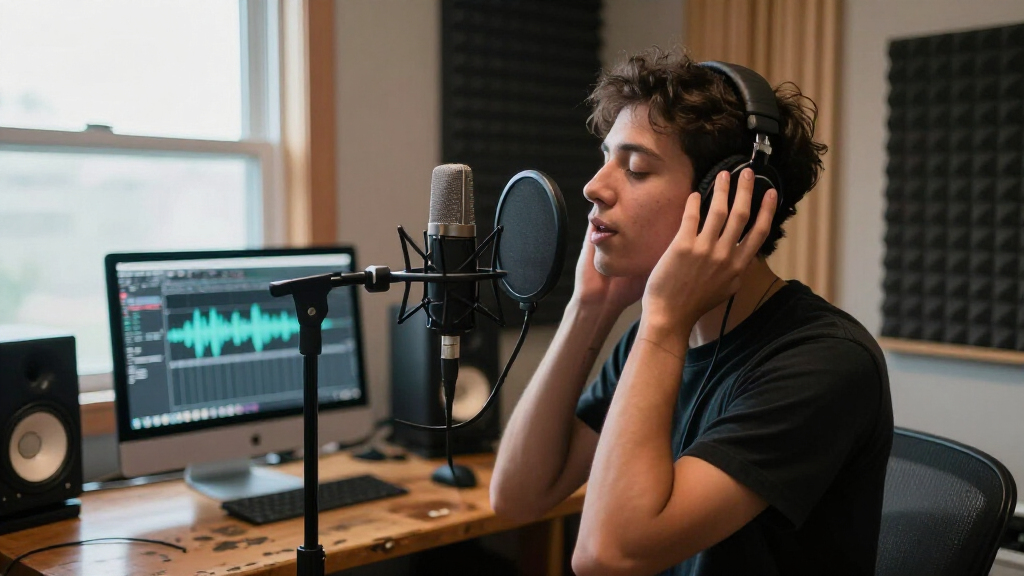
How We Picked
I compared these microphones as tools for vocal capture, weighing the needs of live singers, home recordists, podcasters, karaoke users, and buyers assembling a shared kit. The main criteria were connection type, pickup pattern, intended use, handling and build details, included accessories, and how clearly each model fits a particular buyer. A familiar brand name alone did not determine placement; a useful switch, cable, case, or USB connection mattered only when it helped solve a real setup need.
The ranking favors adaptable, easy-to-match choices first, then gives specialist models and bundled alternatives a clear place where their tradeoffs make sense. The Shure SM58 Pro XLR earns the overall spot for its straightforward live-vocal role; the E 835 is a strong alternative, and the K688CT ranks for buyers who need USB/XLR flexibility. Studio-focused, supercardioid, karaoke, and multi-mic options rank lower for general use because they suit narrower setups, not because their intended users have no reason to choose them.
| dynamic vocal microphone | Microphone type | Polar pattern |
|---|---|---|
| Weymic WM58 Dynamic Vocal Micr | Dynamic vocal | Supercardioid |
| Mackie EM-89D Dynamic Vocal Mi | Dynamic vocal and instrument | Cardioid (unidirectional) |
| Shure SM58S Pro XLR Dynamic Vo | Cardioid dynamic vocal | Cardioid (unidirectional) |
| Sennheiser XS 1 Handheld Dynam | Handheld dynamic | Cardioid (unidirectional) |
| FIFINE AmpliTank K688CT Podcas | Dynamic vocal and podcast | Unidirectional |
| Cable Matters 2-Pack Cardioid | — | Unidirectional (cardioid) |
| Shure BETA 58A Supercardioid D | — | Supercardioid |
| Pyle Professional Dynamic Voca | — | Unidirectional (cardioid) |
| Pyle 3 Piece Professional Dyna | — | — |
| Shure SM58 Pro Dynamic Vocal M | — | Unidirectional (cardioid) |
| Sennheiser E 835 Dynamic Cardi | Dynamic | Unidirectional |
| FIFINE K6 Karaoke Microphone w | Dynamic | Unidirectional |
| Pyle Microphone | Dynamic | Unidirectional |
| Shure SM7B Dynamic Vocal Micro | Dynamic | Unidirectional |
| Shure SM58 Pro XLR Dynamic Voc | Dynamic | Unidirectional |
Factors to Consider When Choosing Dynamic Vocal Microphone
Before choosing a model, I would start with the job it needs to do and the equipment it must connect to. These broader decisions often matter more than small differences between microphones.
Match the microphone to the room and performance
A live stage, untreated bedroom, and treated recording space create different problems for a vocal mic. Handheld dynamic models are common on stage and can be practical in rooms where background sound is a concern, but they still need sensible placement and gain. A more studio-oriented mic does not automatically improve a noisy or reflective room; room sound and mic technique remain audible. For a loud band, check the pickup pattern and how consistently the singer can stay on-axis. If multiple people share one mic, prioritize easy handling and a pattern suited to the space over studio-oriented features.
Check the connector and the rest of the signal chain
Do not assume every microphone connects directly to a laptop or speaker. XLR models typically need an audio interface, mixer, or compatible PA input, while a USB/XLR option can serve a computer setup more directly and still leave room for an XLR chain. A 1/4-inch plug may suit a karaoke machine or compatible amplifier, but it is not a drop-in replacement for XLR. Check what the included cable actually connects to at each end and whether its length fits the room. Buyers often overlook the cost and space of the supporting gear when comparing a bare microphone with a kit.
Choose a pickup pattern that fits your stage habits
Cardioid patterns are a familiar starting point for one singer using a handheld mic, while a supercardioid pattern has a narrower pickup area and calls for more deliberate positioning. That tighter focus can help separate a vocalist from nearby sound, but it can also make off-axis singing less consistent. Monitor and speaker placement matters: a microphone’s pattern does not eliminate feedback if the loudspeaker points into its sensitive area. Consider how much the singer moves and whether several people will take turns. A forgiving pattern may be more useful for casual performances than extra isolation that demands careful technique.
Decide whether a switch or bundle is actually useful
An on/off switch can be handy for announcements, rehearsal, or karaoke, but it can also be switched off accidentally during a performance. If a mixer or sound operator controls muting, a switch may add little value. Bundled cables and cases reduce the number of separate items to source, though buyers should verify connector type, cable length, and kit contents against their setup. A multi-mic pack makes more sense for a shared event or backup set than for a singer who wants to refine one vocal chain. Compare the practical contents, not just the number of accessories listed.
Set expectations for studio and podcast use
A dynamic microphone can be a useful choice for voice recording, but it does not remove the need for a quiet space, good mic technique, and suitable input gain. Some studio-focused models may need more gain than a basic interface supplies, so check the interface or mixer before buying. A close recording position can add presence while also making plosives and handling noise more noticeable. A mic marketed for podcasting is not automatically the best fit for live singing or a mobile stage setup. Choose around your recording chain and the type of voice work you do most often.
Pay for fit, not for a longer spec sheet
Spending more makes sense when a feature solves a recurring problem, such as needing a particular pickup pattern, a flexible computer connection, or a microphone suited to controlled voice recording. For occasional singing, a reliable, uncomplicated XLR handheld may be a better match than a specialist studio model that calls for extra equipment. For a beginner, compatibility and ease of setup are often more useful than small technical distinctions. Also leave room in the budget for a stand, pop protection where appropriate, and a cable or interface if the mic does not include them. The right choice is the one that fits the whole signal chain and the way you will use it.
Frequently Asked Questions
Can I plug an XLR dynamic microphone straight into my computer?
Usually not without an interface or another device that accepts XLR and sends audio to the computer. A USB/XLR model such as the FIFINE K688CT gives you a direct USB route as well as an XLR option, which can simplify a home setup. Before buying an interface, check that it has a suitable mic input and enough gain for your intended microphone. Also confirm that your recording software can select the connected device. Counting the connection gear as part of the purchase prevents an unusable setup.
Is a supercardioid microphone a better choice for a loud stage?
It can help focus pickup more narrowly than a typical cardioid model, but it is not automatically better for every stage. A supercardioid microphone rewards steady, on-axis technique and careful placement of monitors and speakers. If singers move around or share the mic casually, a more forgiving pattern may be easier to manage. Feedback depends on the entire sound system and speaker positions, not just the microphone. Choose a tighter pattern when you can control placement, rather than treating it as a guaranteed feedback fix.
Should I choose the standard Shure SM58 or the SM58S with a switch?
Choose the standard SM58 if a sound operator, mixer, or other control already handles muting and you want a simpler handheld setup. The SM58S adds a body-mounted on/off switch, which can be useful for rehearsals, announcements, or situations where the singer controls the mic. That convenience also creates another control that can be switched off unintentionally. Compare the included cable and accessories as well, since some listings bundle them differently. The sound-use decision is less about the switch and more about whether you will use it reliably.
Will a dynamic microphone work for both singing and podcasting?
Many dynamic microphones can serve both roles, but the best fit depends on handling, connection, pattern, and recording conditions. A handheld stage mic can work for spoken voice when used close and supported by a suitable interface or mixer. A studio-oriented model such as the SM7B is aimed more directly at podcasting and controlled recording, but the input chain and placement need to suit it. For frequent switching between a computer and live sound system, USB/XLR flexibility may be more useful than a specialist form factor. Choose based on the use you do most often and confirm that the secondary setup is compatible.
Are multi-microphone kits a good choice for a first setup?
A kit can make sense if several singers need microphones at once or if a case and shared accessories solve a real transport need. It may be less useful for a solo beginner who still needs to identify the right stand, mixer input, or cable connection. Check the included accessories carefully; a bundled cable does not guarantee that it fits every PA or interface. A single well-matched microphone can be easier to learn and maintain than a set of extras. Pick a kit for the number of users and its actual contents, not just because it appears to cover more needs.
Conclusion
For most buyers seeking a straightforward live vocal mic, I recommend the Shure SM58 Pro XLR as the best overall choice. The Cable Matters two-mic pack is the practical value pick for shared setups, while the Shure SM7B is the premium fit for podcasting and controlled voice recording. Beginners should look first at a simple cardioid handheld such as the Sennheiser XS 1 or SM58, then confirm they have the right input and cable. For a computer-friendly setup, consider the FIFINE K688CT; for tighter stage pickup, compare the Shure BETA 58A. Choose the mic that matches your room, connection, and performance habits rather than buying features you will not use.
Halloween Picks
halloween
As an affiliate, we earn on qualifying purchases.