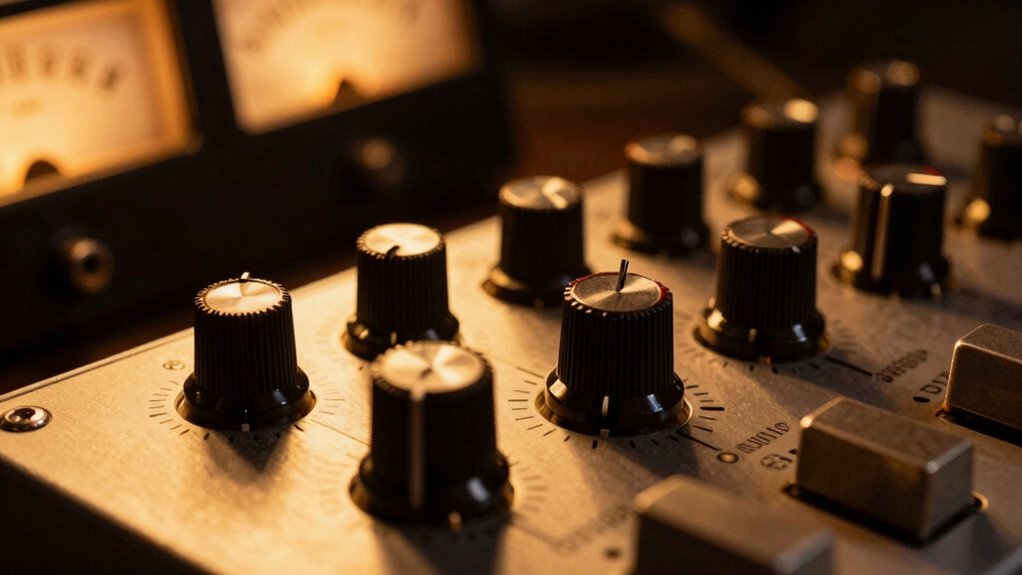

You’ll find some compressors feel more musical because they add harmonic distortion and analog warmth, which enhance emotion and musical flow. Vintage or tube models often create richer, more organic sounds, while precision digital units can sound sterile if not carefully managed. The key lies in how their technical design influences musicality and character. To understand how to choose the right compressor for emotional impact, you’ll discover how different features shape your sound.

Get audio and creator gear delivered free — and shop member deals
- Fast, free delivery on millions of items
- Access to Prime Big Deal Days deals on October 6–7
- Prime Video, Amazon Music and more included
Key Takeaways
- Compressors that introduce harmonic distortion and saturation add emotional warmth, making them feel more musical.
- Analog and tube compressors naturally impart harmonic content, enriching the musicality of the sound.
- Well-designed compressors balance transparency with character, enhancing musical flow without sounding sterile.
- Subtle harmonic distortion and saturation contribute to a sense of depth and organic expression.
- Overly clinical or aggressive compression reduces musicality, emphasizing technical precision over emotional feel.
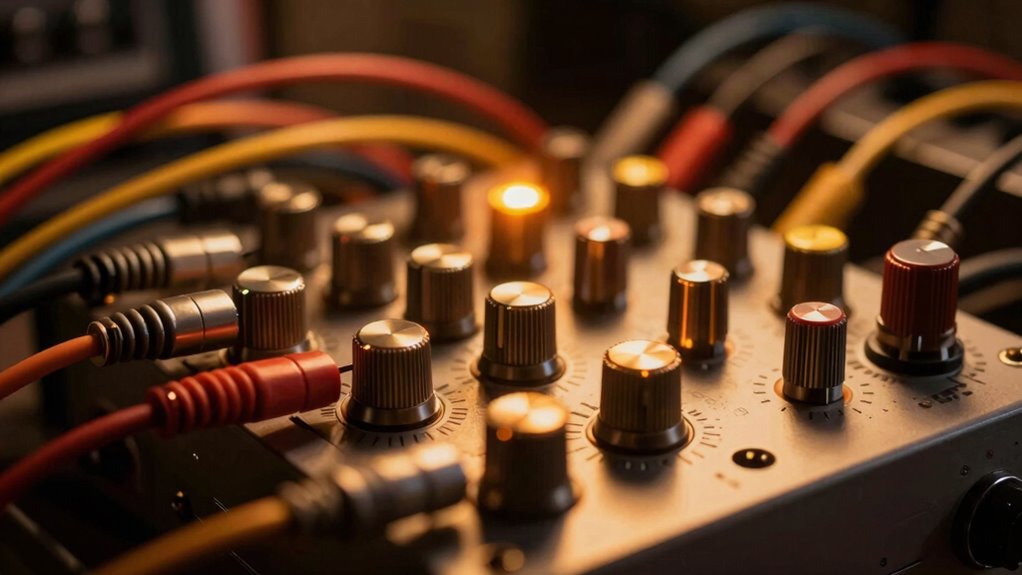
Ever wondered how your favorite music sounds so polished and balanced? The secret often lies in the compressors used during mixing and mastering. Not all compressors hit the right emotional note, and understanding why some feel more musical than others can transform how you approach sound. When you explore compressor types, you’ll notice a debate between analog vs digital units. Analog compressors, especially vintage models, tend to impart a warmth and natural glow that many find more musical. They often introduce subtle harmonic distortions that add character, making the compression feel more organic. Digital compressors, on the other hand, excel at precision and consistency but can sometimes sound clinical or sterile if not carefully tweaked. The choice between analog and digital can considerably influence the musicality of your compression, as the analog process naturally preserves the nuances and flow of the music, while digital offers exact control but risks losing some of that life. Additionally, the harmonic distortion produced by certain compressor types can significantly enhance the musical feel, providing richness that resonates emotionally with listeners. Similarly, the distinction between tube vs solid state compressors plays a crucial role in how musical a compressor feels. Tube compressors are renowned for their gentle compression and harmonic richness, creating a lush, warm sound that can make vocals and instruments feel more alive. The tube’s natural saturation adds a subtle glow that many producers seek to evoke emotion. Conversely, solid state compressors are typically more transparent and faster, providing precise control that’s essential in modern, tightly mixed productions. However, they can sometimes sound too mechanical, stripping away the musicality that makes a track emotionally resonant. When you choose a tube compressor, you’re often opting for a warmer, more musical compression that enhances the musical expression, whereas solid state units favor accuracy and clarity, which might sacrifice some of that organic feel. It’s also worth noting that the technical characteristics of each compressor type influence how they interact with the sound, affecting the overall emotional impact. In addition, the design philosophy behind each compressor can influence its ability to add musicality, as some designs emphasize transparency while others aim for character and coloration. A well-designed compressor can bring out the best in a track by balancing transparency with musical character. Ultimately, whether a compressor feels musical or not hinges on these technical choices and how they interact with your musical goals. A compressor that’s too sterile or too aggressive can squash the life out of a performance, while one that adds harmonic richness and subtle saturation can breathe new life into your mix. It’s not just about the hardware or the technology; it’s about how it’s used in context. When you understand the differences—analog vs digital, tube vs solid state—you gain the tools to select and tweak compressors that serve the song’s emotional core. An understanding of compressor characteristics is key to making informed choices that elevate your music. The right compressor, used thoughtfully, can elevate your music, making it sound more polished, more alive, and ultimately more musical.
analog tube compressor for vocals
As an affiliate, we earn on qualifying purchases.
As an affiliate, we earn on qualifying purchases.
Frequently Asked Questions
Can Compressor Settings Change the Emotional Impact of a Track?
Yes, compressor settings can change the emotional impact of a track. By adjusting the dynamic range, you control how loud or soft parts feel, shaping the song’s intensity. Settings influence the sound character, adding warmth, punch, or smoothness, which evokes specific emotions. Thoughtful compression enhances the mood, making a track feel more energetic, intimate, or dramatic, directly affecting how listeners connect with the music.
How Do Different Compressor Types Influence Musicality?
Different compressor types influence musicality uniquely. Vintage models often add warmth and character, making tracks feel more organic. Optical compressors, on the other hand, provide smooth, transparent compression that retains natural dynamics, enhancing musical flow. You’ll find that vintage units tend to feel more musical and lively, while optical compressors offer a more subtle, polished sound. Your choice depends on whether you want character or clarity in your mix.
What Role Does Attack and Release Time Play in Musical Feel?
Imagine attack and release times as the heartbeat of your compressor—fast beats create sharp, punchy sounds, while slow beats produce smooth, flowing textures. These settings control transient preservation and tonal coloring, shaping how natural or processed your sound feels. If attack is too quick, details get squashed; if release is too slow, the groove drags. Mastering these times lets you craft a musical feel that’s lively or laid-back, exactly how you want it.
Can Compressor Ratio Affect the Groove of a Song?
Yes, the compressor ratio can influence a song’s groove by affecting its dynamic range and harmonic distortion. A high ratio reduces dynamic range more aggressively, which can tighten or stiffen the feel, potentially disrupting groove. Conversely, a moderate ratio preserves natural dynamics, allowing the rhythmic feel to breathe. Harmonic distortion from compression adds warmth or grit, further shaping how musical or punchy the groove feels.
Are There Specific Compressors Preferred for Musical Versus Non-Musical Sounds?
You’ll find that tube compressors, favored for their analog warmth, excel with musical sounds like vocals and guitars, adding richness and character. In contrast, digital compressors offer precision, making them ideal for non-musical sounds like drums and synths. About 60% of professionals prefer analog gear for expressive elements, while digital tools shine in clean, transparent processing. Choosing the right compressor depends on whether you want warmth or accuracy in your mix.
Conclusion
Ultimately, whether a compressor feels musical or not depends on how well it enhances the music without overpowering it. Think of a good compressor like a skilled chef—balancing flavors so everything complements each other. When you choose the right compressor and dial it in thoughtfully, it becomes an invisible artist, shaping your sound with the finesse of a maestro. With practice, you’ll find the perfect balance, making your tracks feel alive and musical rather than mechanical.
Halloween Picks
halloween
As an affiliate, we earn on qualifying purchases.