The best high-fidelity headphones depend on where you listen and how much you value accuracy, comfort, isolation, or wireless convenience. I rank the Sennheiser HD 560S as the best overall for its open-back design and clear, balanced presentation, while the Audio-Technica ATH-M50x is a versatile closed-back choice and the Bowers & Wilkins Px8 S2 suits premium wireless listening. The main tradeoff is between open-back spaciousness and closed-back isolation, with wireless features adding convenience but changing the listening experience. Fit, source compatibility, and intended use matter as much as technical detail. Read on for the full comparison and a pick matched to your listening habits.

Get audio and creator gear delivered free with Prime
- Fast, free delivery on millions of items
- Prime Video, Amazon Music and more included
- Member-only deals all year
Complete the kit


Key Takeaways
- The HD 560S leads as an all-around wired listening pick: its open-back design favors clear, spacious listening at home, but offers little sound isolation.
- Closed-back studio models serve different needs: the ATH-M50x is a more versatile everyday monitor, while the MDR-7506 and ATH-M20x are simpler studio-oriented choices.
- The HD 599 and HD 599 SE are close alternatives: both use an open-back, comfort-focused approach, so choose between them mainly by finish and availability rather than expecting a different role.
- Premium open-back models are not interchangeable: the HD 600 prioritizes a familiar reference-style approach, the HD 660S2 offers a higher-end listening option, and the HD 490 PRO is aimed at professional work.
- Wireless convenience is a separate priority: Bose QuietComfort emphasizes noise cancellation, while the Px8 S2 targets premium wireless listening; neither replaces an open-back wired model for quiet-room listening.
| OneOdio Wired DJ Hi-Res Over-Ear Headphones – Black |  | Best for DJ Monitoring | Driver size: 50 mm | Magnet type: Neodymium | Connectivity: Wired; 3.5 mm and 6.35 mm jacks | VIEW LATEST PRICE | See Our Full Breakdown |
| Bose QuietComfort Wireless Noise-Cancelling Over-Ear Headphones, Black |  | Best for Wireless Noise Cancellation | Connectivity: Bluetooth multipoint | Noise control: Active noise cancellation; Quiet and Aware modes | Audio adjustment: Adjustable bass, midrange, and treble EQ | VIEW LATEST PRICE | See Our Full Breakdown |
| Sony MDR-7506 Professional Studio Headphones | 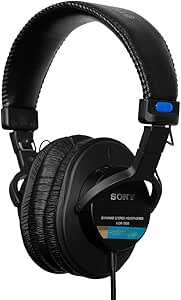 | Best for Studio Monitoring | Driver size: 40 mm | Frequency response: 10 Hz–20 kHz | Design: Closed-ear, foldable | VIEW LATEST PRICE | See Our Full Breakdown |
| Sennheiser HD 599 SE Open-Back Wired Audiophile Headphones, Black |  | Best for Spacious Home Listening | Model: HD 599 SE | Type: Open-back wired over-ear headphones | Color: Black | VIEW LATEST PRICE | See Our Full Breakdown |
| Sennheiser HD 490 PRO Open-Back Professional Headphones |  | Best for Critical Mixing | Type: Open-back professional headphones | Frequency response: 5–36,000 Hz | Design: Open-frame architecture | VIEW LATEST PRICE | See Our Full Breakdown |
| Audio-Technica ATH-M50x Professional Studio Monitor Headphones, Black | 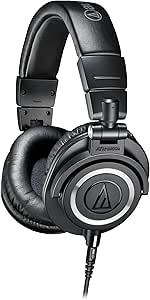 | Best Closed-Back Studio Pick | Brand: Audio-Technica | Model: ATH-M50x | Type: Professional studio monitor headphones | VIEW LATEST PRICE | See Our Full Breakdown |
| Sennheiser HD 599 Open-Back Wired Audiophile Headphones – Ivory |  | Best for Long, Relaxed Listening | Brand: Sennheiser | Model: HD 599 | Design: Open-back, over-ear | VIEW LATEST PRICE | See Our Full Breakdown |
| Audio-Technica ATH-M20x Professional Studio Monitor Headphones |  | Best Entry-Level Studio Monitor | Brand: Audio-Technica | Model: ATH-M20x | Type: Professional studio monitor headphones | VIEW LATEST PRICE | See Our Full Breakdown |
| Sennheiser HD 560S Open-Back Over-Ear Wired Audiophile Headphones |  | Best for Reference Listening | Brand: Sennheiser | Model: HD 560S | Design: Open-back, over-ear | VIEW LATEST PRICE | See Our Full Breakdown |
| Sennheiser HD 660S2 Open-Back Audiophile Headphones |  | Best Premium Open-Back Pick | Brand: Sennheiser | Model: HD 660S2 | Design: Open-back | VIEW LATEST PRICE | See Our Full Breakdown |
| Sennheiser HD 600 Audiophile Open-Back Dynamic Wired Headphones |  | Best for Critical Listening | Design: Open-back, over-ear | Impedance: 300 Ω | Frequency response: 12–39,000 Hz | VIEW LATEST PRICE | See Our Full Breakdown |
| Bowers & Wilkins Px8 S2 Wireless Over-Ear Headphones – Warm Stone |  | Best Premium Wireless | Drivers: 40 mm carbon cone | DSP: 24-bit | DAC amplifier: Integrated dedicated DAC amp | VIEW LATEST PRICE | See Our Full Breakdown |
| high-fidelity headphone | Design | Model |
|---|---|---|
| OneOdio Wired DJ Hi-Res Over-E | — | — |
| Bose QuietComfort Wireless Noi | — | — |
| Sony MDR-7506 Professional Stu | Closed-ear, foldable | — |
| Sennheiser HD 599 SE Open-Back | — | HD 599 SE |
| Sennheiser HD 490 PRO Open-Bac | Open-frame architecture | — |
| Audio-Technica ATH-M50x Profes | — | ATH-M50x |
| Sennheiser HD 599 Open-Back Wi | Open-back, over-ear | HD 599 |
| Audio-Technica ATH-M20x Profes | Circumaural | ATH-M20x |
| Sennheiser HD 560S Open-Back O | Open-back, over-ear | HD 560S |
| Sennheiser HD 660S2 Open-Back | Open-back | HD 660S2 |
| Sennheiser HD 600 Audiophile O | Open-back, over-ear | — |
| Bowers & Wilkins Px8 S2 Wirele | — | — |
More Details on Our Top Picks
OneOdio Wired DJ Hi-Res Over-Ear Headphones – Black
The OneOdio stands out for practical monitoring features rather than the open, speaker-like presentation of the Sennheiser HD 599 SE. Its 50 mm neodymium drivers are described as delivering powerful bass alongside clear vocals and crisp highs, a useful mix for DJ cueing and everyday listening. The 90-degree swiveling cups make single-ear monitoring easier, while the shared audio port lets another listener connect without a separate splitter. A 3.5 mm and 6.35 mm connection suits common consumer and studio equipment. The tradeoff is straightforward: this is a wired, closed-back-style DJ pick, not a wireless travel headphone or an open-back choice for spacious home listening. Compared with the more studio-focused Sony MDR-7506, its shared listening port and DJ-oriented cup movement give it a different, more collaborative role.
Pros:- 50 mm neodymium drivers are specified for powerful bass, clear vocals, and crisp highs
- 90-degree swiveling ear cups support single-ear DJ monitoring
- Shared audio port allows a second pair of headphones to connect
- Includes 3.5 mm and 6.35 mm wired connectivity
Cons:- Wired-only connection offers no Bluetooth or wireless listening
- DJ-focused swiveling cups and shared port do less to serve listeners seeking a simple, open-back home-listening design
Best for: DJs and home listeners who want swiveling cups, strong bass, and the option to share audio over a wired connection
Not ideal for: Listeners who need Bluetooth, a detachable cable, or the spacious and airy presentation of open-back headphones
- Driver size:50 mm
- Magnet type:Neodymium
- Connectivity:Wired; 3.5 mm and 6.35 mm jacks
- Ear cup swivel:90 degrees
- Audio sharing:Shared audio port
- Color:Black
Our verdict“Choose the OneOdio if DJ-style single-ear monitoring and easy wired audio sharing matter more than wireless convenience or an open soundstage.”
Bose QuietComfort Wireless Noise-Cancelling Over-Ear Headphones, Black
The Bose QuietComfort is the lineup’s convenience-first choice: it pairs active noise cancellation with Bluetooth multipoint, so listeners can move between two connected devices without choosing a purely wired studio model such as the Sony MDR-7506. Quiet and Aware modes let you either reduce surrounding sound or hear more of it, while adjustable bass, midrange, and treble give more tonal control than a fixed tuning. The included cable also provides a wired listening option, although wireless use depends on charging the battery. Its up-to-24-hour battery life and quick USB-C charge suit commutes and workdays, but this design prioritizes flexible everyday listening over the open, unconfined presentation of the Sennheiser HD 599 SE. Noise control and wireless ease are the draw; listeners focused on passive, critical home listening may prefer a simpler wired headphone.
Pros:- Active noise cancellation includes Quiet and Aware listening modes
- Bluetooth multipoint supports connection to multiple devices
- Adjustable bass, midrange, and treble provide sound customization
- Up to 24 hours of battery life, with a 15-minute charge providing up to 2.5 hours of playtime
Cons:- Wireless listening depends on a charged battery and USB-C charging
- Closed noise-cancelling design does not offer the open-back presentation of the Sennheiser HD 599 SE
- Water resistance is not specified in the supplied product information
Best for: Commuters and desk listeners who want active noise cancellation, device switching, and adjustable EQ in one wireless headphone
Not ideal for: Listeners who prioritize open-back spatial presentation or want wireless playback without relying on a charged battery
- Connectivity:Bluetooth multipoint
- Noise control:Active noise cancellation; Quiet and Aware modes
- Audio adjustment:Adjustable bass, midrange, and treble EQ
- Battery life:Up to 24 hours
- Fast charging:15-minute USB-C charge provides up to 2.5 hours of playtime
- Wired listening:Included audio cable with in-line microphone
- Color:Black
Our verdict“Pick the Bose for flexible wireless listening and noise control, but choose a wired open-back model if soundstage is your main priority.”
Sony MDR-7506 Professional Studio Headphones
The Sony MDR-7506 earns its place as a practical wired monitoring headphone for listeners who value detail and a closed-ear design over wireless features. Its 40 mm drivers and stated 10 Hz–20 kHz frequency response suit studio checks and home audio, while the closed construction helps reduce external noise—an advantage over open-back models such as the Sennheiser HD 599 SE, which allow more sound in and out. A long 9.8-foot cord gives room to move around a desk or mixing station, and the included 1/4-inch adapter makes it easier to connect to studio equipment. The folding design and soft case help with storage and travel. Its main compromise is the non-detachable cord, which is less convenient to replace or manage than the detachable cables included with the HD 599 SE.
Pros:- 40 mm drivers and 10 Hz–20 kHz stated frequency response suit detailed monitoring
- Closed-ear design helps reduce external noise
- Folding construction and included soft case support storage and travel
- Includes a 1/4-inch adapter for studio connections
Cons:- Non-detachable 9.8-foot cord can be cumbersome and is not readily replaceable
- Wired design lacks the Bluetooth convenience of the Bose QuietComfort
- Closed-ear presentation is less spacious than the open-back Sennheiser HD 599 SE
Best for: Home producers, studio listeners, and travelers who want wired detail, reduced sound leakage, and a long cable
Not ideal for: Buyers who need Bluetooth, a short or detachable cable, or an open-back soundstage for relaxed listening
- Driver size:40 mm
- Frequency response:10 Hz–20 kHz
- Design:Closed-ear, foldable
- Connectivity:Wired
- Cord length:9.8 ft
- Plug and adapter:Gold-plated plug; 1/4-inch adapter included
- Cord type:Non-detachable OFC cord
- Included accessory:Soft case
Our verdict“Choose the Sony for straightforward wired monitoring and better isolation, provided its long, fixed cord suits your setup.”
Sennheiser HD 599 SE Open-Back Wired Audiophile Headphones, Black
The HD 599 SE is the natural pick for listeners who want a spacious, balanced presentation for long sessions at home. Its open-back design is described as delivering a wide soundstage, detailed highs and mids, and controlled bass—qualities that distinguish it from the closed-ear Sony MDR-7506, which is better suited to reducing outside noise. Plush velour-covered pads support extended listening, and two detachable cables—a 3 m option with a 6.3 mm connector and a shorter 1.2 m option with a 3.5 mm connector—make it easier to match a home audio setup or portable source. The open construction is also the key limitation: it leaks sound and provides little isolation, so it is a poor fit for shared rooms, commuting, or recording where leakage matters. Compared with the professional HD 490 PRO, this is the more home-listening-oriented option.
Pros:- Open-back design is specified for a spacious soundstage and natural, balanced audio
- Detailed highs and mids pair with controlled bass
- Plush velour-covered ear pads support long listening sessions
- Two detachable cables offer 3.5 mm and 6.3 mm connection options
Cons:- Open-back construction leaks sound and offers less isolation than the Sony MDR-7506
- Wired connection limits movement compared with the Bose QuietComfort
- The open design is unsuitable for noisy or shared spaces
Best for: Home listeners who want comfortable, open-back headphones for balanced music playback and have a quiet listening space
Not ideal for: Commuters, office users near others, or anyone who needs wireless freedom or substantial sound isolation
- Model:HD 599 SE
- Type:Open-back wired over-ear headphones
- Color:Black
- Included cable:3 m cable with 6.3 mm connector
- Included cable:1.2 m cable with 3.5 mm connector
- Cable design:Detachable cables
- Warranty:2 years
- Age range:Adult
Our verdict“Choose the HD 599 SE for comfortable, spacious home listening if sound leakage and a wired connection are acceptable.”
Sennheiser HD 490 PRO Open-Back Professional Headphones
The HD 490 PRO is the most production-focused choice here, built around an uncolored frequency response and wide soundstage for critical mixing rather than casual wireless use. Its stated 5–36,000 Hz range and open-frame architecture support the goal of accurate, dimensional monitoring, while two sets of washable, replaceable ear pads let producers adapt the fit and refresh parts that wear during frequent sessions. The detachable cable and included dearVR MIX-SE plugin add useful tools for a production workflow. Compared with the Sennheiser HD 599 SE, the HD 490 PRO is more explicitly aimed at mixing and includes production-specific accessories; the HD 599 SE is the simpler home-listening pick. The tradeoffs are real: open-back leakage makes it unsuitable around others, and the product information says it may need an amplifier or high-quality source for best performance.
Pros:- Uncolored frequency response is intended for honest monitoring
- Wide soundstage supports spatial and positional judgments
- Two sets of washable, replaceable ear pads support different production needs and upkeep
- Includes a detachable cable and dearVR MIX-SE plugin
Cons:- Open-back design leaks sound and admits surrounding noise
- May require an amplifier or high-quality source for best performance
- Production-oriented extras are less useful to casual listeners than the simpler HD 599 SE setup
Best for: Mix engineers and producers seeking open-back reference headphones, replaceable pads, and tools for production work
Not ideal for: Listeners who need isolation for recording or commuting, want wireless playback, or lack a suitable source or amplifier
- Type:Open-back professional headphones
- Frequency response:5–36,000 Hz
- Design:Open-frame architecture
- Cable:Detachable cable with patented coil structure
- Included cable:1.8 m
- Included ear pads:Mixing ear pads and producing ear pads
- Included software:dearVR MIX-SE plugin
- Pad care:Washable and replaceable
- Packaging:FSC-certified
Our verdict“Choose the HD 490 PRO for production-focused, open-back reference listening if your room and audio source suit its needs.”
Audio-Technica ATH-M50x Professional Studio Monitor Headphones, Black
The ATH-M50x is the practical choice here for listeners who want detailed, bass-capable sound without the sound leakage of an open-back design. Its 45 mm drivers and circumaural earcups suit studio monitoring and focused listening, while 90-degree swiveling cups make one-ear monitoring easier than on the Sennheiser HD 599 or HD 560S. The detachable cable also makes replacement simpler than on the ATH-M20x, whose cable is fixed.
The tradeoff is a more enclosed presentation: it cannot offer the airy soundstage of the open-back HD 660S2, and its sound-isolating fit is not the same as active noise cancellation. I’d choose it for a shared space or tracking setup, but skip it if spacious, speaker-like imaging matters more than isolation.
Pros:- 45 mm drivers deliver clear sound with deep, controlled bass
- Circumaural earcups help reduce surrounding sound
- 90-degree swiveling earcups support one-ear monitoring
- Detachable cable and durable earpads and headband suit regular studio use
Cons:- Closed-back presentation is less spacious than the HD 599 and HD 660S2
- Wired listening limits movement
- Passive sound isolation does not replace active noise cancellation
Best for: Home-studio users and detail-focused listeners who need closed-back isolation, deep bass, and flexible one-ear monitoring.
Not ideal for: Listeners prioritizing an airy open-back soundstage or wireless noise cancellation; the closed design and wired connection do not provide either.
- Brand:Audio-Technica
- Model:ATH-M50x
- Type:Professional studio monitor headphones
- Driver size:45 mm
- Earcup design:Circumaural
- Swiveling earcups:90 degrees
- Cable:Detachable
- Warranty:2 years on parts and labor
Our verdict“Choose the ATH-M50x for versatile, bass-forward monitoring with isolation, not for an open-back listening experience.”
Sennheiser HD 599 Open-Back Wired Audiophile Headphones – Ivory
The HD 599 is a comfort-first open-back pick for extended listening at home. Its velour ear pads and padded, replaceable headband are suited to long sessions, while the open design gives recordings more room than the closed Audio-Technica ATH-M50x. Two detachable cables—a 3 m lead with a 6.3 mm jack and a shorter 1.2 m lead with a 3.5 mm jack—make it easier to connect to either a stationary audio setup or a portable wired source.
Compared with the more reference-focused HD 560S, the HD 599’s strongest case is its combination of comfort and spacious presentation, rather than a specific claim of strict accuracy. Its open-back construction leaks sound and offers little isolation, so it is a poor fit for commutes, offices, or listening near sleeping housemates. I’d pick it for a quiet room, not shared spaces.
Pros:- Open-back presentation supports spacious sound and spatial imaging
- Velour-covered ear pads and padded headband are suited to long sessions
- Detachable 3 m and 1.2 m cables offer different wired connection lengths
- Replaceable padded headband adds a practical maintenance option
Cons:- Sound leakage makes it unsuitable for quiet shared spaces
- No wireless connection or active noise cancellation
- Less suited to strict reference-focused listening than the HD 560S
Best for: Home listeners who wear headphones for long sessions and want an open, spacious presentation with cable options for different wired sources.
Not ideal for: Commuters, office listeners, and anyone sharing a quiet room; the open-back design leaks sound and provides no isolation.
- Brand:Sennheiser
- Model:HD 599
- Design:Open-back, over-ear
- Color:Ivory
- Cable lengths:3 m with 6.3 mm jack; 1.2 m with 3.5 mm jack
- Cable type:Detachable
- Ear pad material:Velour
- Warranty:1 year
Our verdict“Choose the HD 599 for comfortable, spacious listening at home, provided sound leakage is not a concern.”
Audio-Technica ATH-M20x Professional Studio Monitor Headphones
The ATH-M20x is the straightforward wired pick for studio tracking when a buyer wants a closed, over-ear fit and low-frequency emphasis without the added flexibility of the ATH-M50x. Its 40 mm drivers are tuned for enhanced low-frequency performance, and the circumaural design helps keep external sound from distracting during recording or focused listening. A single-sided cable exit is simple to manage at a desk or tracking station.
Compared with the ATH-M50x, this model gives up 90-degree swiveling earcups and a detachable cable, so it is less adaptable for one-ear monitoring and cable replacement. It also cannot match the expansive presentation of open-back options such as the Sennheiser HD 599. I’d choose it for basic tracking needs; listeners seeking broader flexibility or a more spacious audiophile presentation should step up or choose open-back instead.
Pros:- 40 mm drivers are tuned for enhanced low-frequency performance
- Circumaural design helps isolate sound during tracking
- Single-sided cable exit keeps the connection straightforward
- Rare-earth driver magnets and copper-clad aluminum wire voice coils are specified
Cons:- Fixed single-sided cable offers less replacement flexibility than the ATH-M50x
- No 90-degree swiveling earcups for one-ear monitoring
- Closed-back design sounds less spacious than the Sennheiser HD 599
Best for: Newer home-studio users who need wired, closed-back headphones for tracking and value a simple setup with emphasized low frequencies.
Not ideal for: Listeners who need a detachable cable, one-ear monitoring, or the roomier presentation of open-back headphones.
- Brand:Audio-Technica
- Model:ATH-M20x
- Type:Professional studio monitor headphones
- Driver size:40 mm
- Driver magnets:Rare earth
- Voice coils:Copper-clad aluminum wire
- Design:Circumaural
- Cable:Single-sided
Our verdict“Choose the ATH-M20x for basic isolated studio tracking, but favor the ATH-M50x if cable flexibility and one-ear monitoring matter.”
Sennheiser HD 560S Open-Back Over-Ear Wired Audiophile Headphones
The HD 560S is the lineup’s clearest fit for listeners who want natural, reference-oriented sound rather than isolation or extra bass emphasis. Its open-back earcups let sound expand into a wide presentation, and the angled driver placement is intended to support lifelike depth. The description also calls out extended low-end reach with clear bass, giving detail-focused listeners a fuller foundation than thin-sounding monitoring designs might offer.
Compared with the comfort-led HD 599, the HD 560S is positioned more directly around accuracy; compared with the closed ATH-M50x, it trades sound containment for a more open stage. That tradeoff is decisive: sound leaks in both directions, and this wired model is not practical for noisy commutes or shared rooms. I’d choose it for quiet-room critical listening, not everyday portable use.
Pros:- Natural, accurate sound is suited to reference listening
- Open-back design creates a wide, immersive soundstage
- Extended low-end reach retains clear bass performance
- Angled driver design supports a lifelike sense of depth
Cons:- Open-back construction offers little isolation and leaks sound
- Wired-only connection limits movement and portability
- Less suitable for noisy environments than the closed ATH-M50x
Best for: Listeners building a quiet-room wired setup for accurate, natural playback and a wide soundstage.
Not ideal for: Commuters, office users, or anyone listening near others; the open construction leaks sound, offers little isolation, and has no wireless option.
- Brand:Sennheiser
- Model:HD 560S
- Design:Open-back, over-ear
- Connector type:1/4-inch wired
- Included components:Headphones, cable, owner’s manual
- Item weight:600 g
- Warranty:2-year manufacturer warranty
Our verdict“Choose the HD 560S for accurate, spacious listening in a quiet room, rather than for isolation or travel.”
Sennheiser HD 660S2 Open-Back Audiophile Headphones
The HD 660S2 is the premium open-back choice for listeners who want detailed mids and highs alongside controlled bass. Its 42 mm transducers and aluminum voice coil are paired with stated low-frequency reach down to 27.5 Hz, making it a more bass-capable proposition than the reference-led HD 560S while keeping the spacious presentation associated with open-back headphones. Plush, breathable cushions and the included carry pouch support longer home listening sessions.
Its main advantage over the HD 599 is the emphasis on controlled low end and detailed balance, while the HD 560S remains the more direct choice for reference-focused listening. None of these open models offers the isolation of the closed ATH-M50x, and the HD 660S2 still depends on a wired connection. I’d choose it for a dedicated listening setup, not for noisy surroundings or unrestricted movement.
Pros:- 42 mm transducers deliver detailed highs, rich mids, and controlled bass
- Stated low-frequency reach extends to 27.5 Hz
- Breathable plush ear cushions support extended listening
- Includes 6.3 mm and 4.4 mm cables, an adapter, and a carry pouch
Cons:- Open-back design leaks sound and provides little isolation
- Wired connection limits movement
- More premium and feature-rich than needed for listeners who simply want the HD 560S’s reference focus
Best for: Experienced home listeners seeking a premium open-back headphone with spacious sound, detailed mids and highs, and controlled bass.
Not ideal for: People who need isolation, wireless convenience, or a headphone for noisy shared spaces; this model is open-back and wired.
- Brand:Sennheiser
- Model:HD 660S2
- Design:Open-back
- Fit:Over-ear
- Transducer size:42 mm
- Low-frequency detail:Piano lows down to 27.5 Hz
- Included accessories:1.8 m 6.3 mm cable, 1.8 m 4.4 mm cable, 6.3 mm to 3.5 mm adapter, carry pouch
- Warranty:2 years
Our verdict“Choose the HD 660S2 for refined open-back listening with deeper stated bass reach, if you can accept wired use and sound leakage.”
Sennheiser HD 600 Audiophile Open-Back Dynamic Wired Headphones
The Sennheiser HD 600 is the wired, open-back choice for listeners who value clear, natural sound over wireless convenience or isolation. Its 300 Ω impedance makes a suitable headphone amplifier part of the setup, but the payoff is a detailed presentation and spacious imaging suited to focused listening. Compared with the Sennheiser HD 560S, the HD 600 is the more demanding partner for source equipment; buyers who want a simpler route to open-back listening may prefer that alternative. A light 260 g frame, plush ear pads, and a detachable reinforced cable support long sessions, though the open construction leaks sound and lets outside noise in. It also lacks a microphone, so it is not a natural pick for calls or gaming.
Pros:- Open-back design supports spacious imaging for critical listening.
- Low stated THD of 0.1% and a 12–39,000 Hz frequency response.
- Lightweight 260 g build and plush ear pads suit long sessions.
- Detachable Kevlar-reinforced OFC copper cable is built for durability.
Cons:- The 300 Ω impedance calls for a capable headphone amplifier.
- Open-back earcups provide little isolation and leak sound.
- No built-in microphone for calls or gaming.
Best for: Home listeners with a headphone amplifier who want an open-back headphone for careful music listening and spatial detail.
Not ideal for: Commuters, shared-room listeners, and gamers who need isolation, wireless playback, or a built-in microphone.
- Design:Open-back, over-ear
- Impedance:300 Ω
- Frequency response:12–39,000 Hz
- Total harmonic distortion:0.1%
- Weight:260 g
- Cable:Detachable Kevlar-reinforced OFC copper
- Connector:¼-inch or ⅛-inch jack
- Color:Black and gray
Our verdict“Choose the HD 600 if you have an amplifier and want a comfortable wired headphone for focused, spacious listening at home.”
Bowers & Wilkins Px8 S2 Wireless Over-Ear Headphones – Warm Stone
The Bowers & Wilkins Px8 S2 is the premium wireless pick for listeners who want high-resolution playback without being tethered to a desktop amplifier. Its 40 mm carbon-cone drivers, 24-bit DSP, and dedicated DAC amp distinguish it from the wired, open-back Sennheiser HD 600: the Px8 S2 adds Bluetooth, ANC, and travel-ready convenience, while the HD 600 is better suited to an amplifier-based home setup. Eight microphones support noise cancellation, and multipoint lets you connect two devices at once for switching between work and personal audio. Up to 30 hours of battery life and a quick-charge feature help on busy days. The tradeoffs are a heavier-feeling metal build and reliance on battery power for wireless use; its premium positioning also makes it a poor fit for budget-focused buyers.
Pros:- Carbon-cone drivers, 24-bit DSP, and a dedicated DAC amp support high-resolution listening.
- Eight-microphone ANC helps reduce surrounding noise during travel and work.
- Multipoint Bluetooth connects to two devices simultaneously.
- Up to 30 hours of battery life, with a 15-minute charge providing about seven hours of playback.
Cons:- Die-cast metal construction can feel heavier than plastic alternatives.
- Wireless listening depends on battery charge.
- Premium positioning may rule it out for budget-focused buyers.
Best for: Frequent travelers and hybrid workers seeking premium wireless sound, noise cancellation, and easy switching between two devices.
Not ideal for: Budget-conscious listeners or home purists who prefer a wired open-back headphone like the Sennheiser HD 600 and do not need ANC.
- Drivers:40 mm carbon cone
- DSP:24-bit
- DAC amplifier:Integrated dedicated DAC amp
- Bluetooth:Version 5.3
- Wireless codecs:aptX Lossless, Adaptive, HD, Classic, AAC, SBC
- Multipoint:Connects to 2 devices simultaneously
- Active noise cancellation:8-microphone system
- Battery life:Up to 30 hours
- Materials:Die-cast aluminum arms and Nappa leather ear pads
Our verdict“Choose the Px8 S2 if you want premium wireless high-fidelity listening with ANC and multipoint, rather than a wired home headphone like the HD 600.”
How We Picked
I compared these headphones through the priorities that shape a high-fidelity purchase: sound presentation, open- or closed-back design, listening comfort, build and cable practicality, and how well each model fits its intended setting. I also considered whether a headphone is a sensible match for casual home listening, studio tasks, travel, or buyers new to dedicated audio gear. A model’s feature list alone did not determine its place; I weighed what those features mean for daily use and the compromises a buyer accepts.
The ranking gives the highest positions to options that make a clear case for a broad listening role without ignoring their limitations. The HD 560S ranks first as a focused wired home-listening choice, while closed-back models move up for recording, shared spaces, and portability. Specialist and premium models rank lower for general use when their strengths suit a narrower audience or require a higher commitment. The two HD 599 versions are treated as near-equals, and wireless noise cancellation is judged as a convenience advantage rather than proof of greater fidelity.
| high-fidelity headphone | Design | Model |
|---|---|---|
| OneOdio Wired DJ Hi-Res Over-E | — | — |
| Bose QuietComfort Wireless Noi | — | — |
| Sony MDR-7506 Professional Stu | Closed-ear, foldable | — |
| Sennheiser HD 599 SE Open-Back | — | HD 599 SE |
| Sennheiser HD 490 PRO Open-Bac | Open-frame architecture | — |
| Audio-Technica ATH-M50x Profes | — | ATH-M50x |
| Sennheiser HD 599 Open-Back Wi | Open-back, over-ear | HD 599 |
| Audio-Technica ATH-M20x Profes | Circumaural | ATH-M20x |
| Sennheiser HD 560S Open-Back O | Open-back, over-ear | HD 560S |
| Sennheiser HD 660S2 Open-Back | Open-back | HD 660S2 |
| Sennheiser HD 600 Audiophile O | Open-back, over-ear | — |
| Bowers & Wilkins Px8 S2 Wirele | — | — |
Factors to Consider When Choosing Best High-fidelity Headphones
Before choosing among these headphones, I’d match the design to the place and source you actually use. A resolving headphone can reveal detail, but comfort, isolation, and device compatibility decide whether you will enjoy listening for long sessions. These broader checks can prevent a mismatch that a product comparison alone cannot resolve.
Choose open-back or closed-back by listening environment
Open-back headphones let air and sound pass through their ear cups, which can create a more open presentation for quiet-room listening. That same construction leaks audio both ways, so it is a poor fit for offices, public transport, or recording near a microphone. Closed-back headphones offer more isolation and are easier to use around other people, though the presentation can feel less open. A common mistake is choosing open-back solely for perceived sound quality without checking whether the room is quiet enough. Think about who can hear your music and what outside sounds you need to block before comparing tonal preferences.
Treat sound signatures as preferences, not a quality ladder
High fidelity does not mean every headphone will sound identical or that a brighter model is automatically more revealing. Some listeners prefer a neutral balance for editing and mixing, while others enjoy a fuller or more energetic presentation for music. Your library matters: dense recordings, acoustic material, and bass-heavy tracks can make different tuning choices more or less appealing. If possible, compare familiar songs at matched listening levels, since louder playback can seem more impressive at first. Avoid assuming that a professional label guarantees the sound you personally prefer.
Check source compatibility before buying demanding wired headphones
Most wired headphones work from common devices, but the listening level and performance you get can depend on the source and headphone sensitivity. A phone or laptop may be enough for one model and less suitable for another, so check manufacturer specifications and your device’s output before adding an amplifier to your budget. Studio headphones with detachable cables or adapters can also be easier to integrate into different setups. Do not buy extra equipment by default; first confirm that your current source fails to meet your needs. Wireless models avoid a wired output question but bring battery and connection tradeoffs instead.
Prioritize fit and serviceability for long sessions
Headband pressure, ear-cup depth, weight, and heat can matter more than small differences in sound when you listen for hours. Product names and materials cannot predict how a particular shape will fit, so check the return policy and try the headphones for a sustained session if possible. Replaceable cables and cushions can extend useful life, while a fixed cable may make wear harder to address. Glasses, earrings, and hairstyle can also affect comfort and seal. Choose the pair you can keep on comfortably, not just the one with the most impressive specification sheet.
Pay extra for capabilities you will use
Premium construction, refined materials, noise cancellation, and wireless controls can improve ownership, but they do not all improve fidelity in the same way. If you listen in a quiet room, an open-back wired headphone may serve you better than paying for travel features. If you commute or work in a noisy space, active noise cancellation can make listening more practical at lower playback levels. Buyers often pay for multiple features that duplicate gear they already own. Decide which single limitation you most want to solve, then spend toward that need.
Separate studio monitoring from everyday listening
Studio-oriented headphones are built with work tasks such as tracking, editing, or monitoring in mind, but that does not make them the best fit for relaxed listening. Closed-back construction can help prevent headphone sound from leaking into a microphone, while open-back models may suit mixing in controlled rooms. A studio label also does not guarantee that a headphone is flat or that it will translate every production decision. If you need one pair for both work and leisure, check for a compromise in isolation, comfort, and sound preference. For specialized studio duties, choose around the task rather than the broad high-fidelity label.
Frequently Asked Questions
Are open-back headphones suitable for listening at work?
They can work in a private room, but open-back headphones leak sound and provide little isolation. Coworkers may hear your audio, and nearby conversations can distract you. A closed-back model is usually the safer choice in shared offices or when you need to keep music from reaching a microphone. If your workplace is quiet and private, comfort and sound preference can guide the decision. Check your surroundings before choosing based on the listening experience alone.
Do I need a headphone amplifier for these wired models?
Not automatically: many wired headphones can be used directly with a computer, phone, or audio interface. Whether an amplifier helps depends on the specific headphone and how loudly you listen, as well as the quality and output level of your source. Check the manufacturer’s sensitivity and impedance information alongside your device specifications. If your current setup reaches a comfortable level without distortion, extra amplification may not solve a real problem. Confirm compatibility before buying additional equipment.
Can I use open-back headphones for recording vocals?
Usually, closed-back headphones are the safer monitoring choice during vocal recording because they reduce sound leakage into the microphone. An open-back model can let the backing track escape the ear cups and become audible in the recording. The amount of leakage depends on listening volume, microphone placement, and the recording environment. Open-back headphones can still suit editing or mixing when microphone bleed is not an issue. For tracking, favor isolation and keep monitoring levels modest.
Should I choose a wireless noise-cancelling model over a wired audiophile headphone?
Choose based on where you listen rather than assuming one format is universally better. Wireless noise cancellation is useful on flights, commutes, and in other noisy places, where reducing outside sound can improve practical listening. Wired open-back headphones are better suited to quiet spaces where isolation and battery life matter less. Wireless models also rely on charging and electronic features, while wired models need a suitable connection and cable. If you move between both settings, you may prefer separate headphones for travel and home use.
Which differences matter most between the HD 599 and HD 599 SE?
These two versions occupy a very similar open-back listening role, so the choice is less about moving to a different class of headphone and more about the version and finish you prefer. Compare the included accessories and exact package details for the listing you are considering, since bundles can vary. Both share the main limitation of open-back headphones: sound leakage and minimal isolation. If you need a more clearly different use case, compare them with a closed-back model instead. Make the decision around fit, package contents, and availability rather than expecting a major change in listening purpose.
Conclusion
For most quiet-room listeners, I recommend the Sennheiser HD 560S as the best overall because it offers a straightforward open-back path to clear, detailed listening. The Audio-Technica ATH-M50x is my best value-style all-rounder for buyers who want a closed-back wired model that can cover everyday listening and studio tasks, while the Bose QuietComfort is the more practical pick for travel and noise reduction. For premium wireless use, choose the Bowers & Wilkins Px8 S2; for premium wired open-back listening, compare the HD 660S2 and HD 600 around your preferred sound and setup. Beginners who want comfortable, uncomplicated home listening should start with the HD 599 or HD 599 SE, while aspiring studio users should look at the HD 490 PRO or a closed-back monitor suited to their recording space. Match the headphone to your room, source, and daily habits, and the right pick becomes much clearer.
Halloween Picks
halloween
As an affiliate, we earn on qualifying purchases.