
Music production books for beginners vary from broad introductions to focused guides for a specific DAW or home studio. I’d make Beginner’s Guide to Music Production my best overall starting point for readers who want a general foundation, while DAW 101 stands out for software-first learners and Home Recording For Dummies for people setting up a recording space. The main choice is between a wide-ranging book that covers several parts of making music and a narrower guide that may be easier to apply right away. Software-specific books can be useful, but their instructions may age as programs change. Read on for a comparison of all 15 options and help matching a book to your setup and goals.

Get audio and creator gear delivered free with Prime
- Fast, free delivery on millions of items
- Prime Video, Amazon Music and more included
- Member-only deals all year
Complete the kit

Key Takeaways
- Broad foundations versus focused instruction: The lineup includes all-round introductions as well as guides centered on DAWs, FL Studio, audio engineering, or home recording; the right fit depends on what you want to learn first.
- DAW-specific books trade flexibility for directness: The FL Studio titles and DAW 101 can make software workflows easier to follow, but they are less useful if you switch programs.
- Recording and production are related, not identical: Home Recording For Dummies and Audio Engineering 101 suit readers interested in capturing and handling sound, while broader production guides cover more of the music-making process.
- Extra formats can change how you learn: The bonus video lessons in Music Production for Beginners: Easy Guide with Bonus Video Lessons may suit readers who benefit from seeing software steps, while a book-only approach is easier to revisit away from a screen.
- More topics do not always mean an easier start: The two-book masterclass bundle and Mixerman’s wide-ranging guide cover many stages, but a tightly scoped beginner book may feel more manageable for someone learning one skill at a time.
| Music Production Masterclass: Everything You Need to Know About Producing, Studio Recording, Mixing, Mastering and Songwriting (2 Book Bundle) |  | Best Broad-Scope Bundle | Format: Book bundle | Bundle size: 2 books | Topics: Producing, studio recording, mixing, mastering, songwriting | VIEW ON AMAZON | See Our Full Breakdown |
| Beginner’s Guide to Music Production |  | Best Straightforward Starting Point | Format: Book | Intended audience: Beginners | Subject: Music production | VIEW ON AMAZON | See Our Full Breakdown |
| Music Production for Beginners: Easy Guide with Bonus Video Lessons |  | Best for Visual Learners | Format: Book with bonus video lessons | Intended audience: Beginners | Production coverage: Music production fundamentals | VIEW ON AMAZON | See Our Full Breakdown |
| DAW 101: The Beginner’s Blueprint for Music Production Software |  | Best for Learning DAW Basics | Format: Book | Intended audience: Beginners | Primary subject: Digital audio workstations | VIEW ON AMAZON | See Our Full Breakdown |
| Audio Engineering 101: A Beginner’s Guide to Music Production |  | Best Potential Fit for Audio Engineering Foundations | Format: Not specified in supplied product data | Intended audience: Beginners, as stated in the title | Named subject: Audio engineering | VIEW ON AMAZON | See Our Full Breakdown |
| Music Technology 101: Book for Music Production Beginners |  | Best for Learning Core Studio Skills | Author: Heath Jones | Format: Book | Intended level: Beginner | VIEW ON AMAZON | See Our Full Breakdown |
| Mixerman’s Ultimate Guide to Producing Records, Music & Songs: Everything You Need to Know About Producing, Recording, Mixing & Mastering Music at Home or in the Studio |  | Best for Seeing the Whole Production Process | Format: Book | Intended audience: Beginners and experienced producers | Recording coverage: Recording music | VIEW ON AMAZON | See Our Full Breakdown |
| A Beginner’s Guide to Music Production: Track Katz |  | Best for Exploring a Specific Producer’s Approach | Format: Book | Intended level: Beginner | Subject: Music production | VIEW ON AMAZON | See Our Full Breakdown |
| Music Production for Beginners (2020 Edition) |  | Best for a Concise EDM-Oriented Start | Edition: 2020 Edition | Format: Book | Intended level: Beginner | VIEW ON AMAZON | See Our Full Breakdown |
| Learn Music Production in FL Studio: A Beginner’s Guide to Getting Started with FL Studio |  | Best for New FL Studio Users | Format: Book | Intended level: Beginner | DAW focus: FL Studio | VIEW ON AMAZON | See Our Full Breakdown |
| The Music Producer’s Ultimate Guide to FL Studio 21: From Beginner to Pro |  | Best for FL Studio 21 Learners | Software: FL Studio 21 | Format: Guide | Audience: Beginners and aspiring professionals | VIEW ON AMAZON | See Our Full Breakdown |
| The Beginner’s Guide to Computer-Based Music Production | 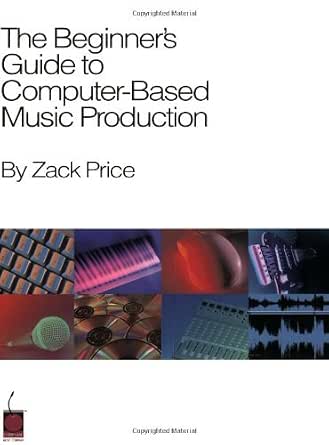 | Best for Comparing DAWs and Plugins | Format: Guide | Audience: Beginners | Production setting: Computer-based music production | VIEW ON AMAZON | See Our Full Breakdown |
| Your Entry to Music Production: A Step-by-Step Guide | 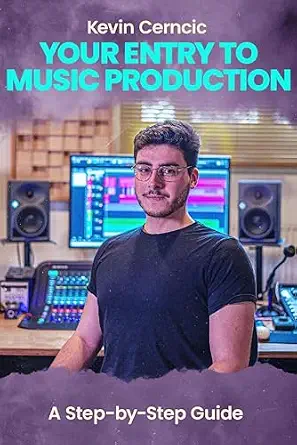 | Best Step-by-Step Starting Point | Format: Guide | Audience: Beginners and new music producers | Approach: Step-by-step instruction | VIEW ON AMAZON | See Our Full Breakdown |
| Home Recording For Dummies |  | Best for Home Recording Basics | Format: Not specified | Subject indicated by title: Home recording | Software: Not specified | VIEW ON AMAZON | See Our Full Breakdown |
| FL Studio Music Production for Beginners: Step By Step Beginner Guide To Making Beats, Melodies, And Full Songs |  | Best for Making a First Full Song in FL Studio | Format: Book/Guide | Software: FL Studio | Target audience: Beginners | VIEW ON AMAZON | See Our Full Breakdown |
| music production books for beginner | Format |
|---|---|
| Music Production Masterclass: | Book bundle |
| Beginner’s Guide to Music Prod | Book |
| Music Production for Beginners | Book with bonus video lessons |
| DAW 101: The Beginner’s Bluepr | Book |
| Audio Engineering 101: A Begin | Not specified in supplied product data |
| Music Technology 101: Book for | Book |
| Mixerman’s Ultimate Guide to P | Book |
| A Beginner’s Guide to Music Pr | Book |
| Music Production for Beginners | Book |
| Learn Music Production in FL S | Book |
| The Music Producer’s Ultimate | Guide |
| The Beginner’s Guide to Comput | Guide |
| Your Entry to Music Production | Guide |
| Home Recording For Dummies | Not specified |
| FL Studio Music Production for | Book/Guide |
More Details on Our Top Picks
Music Production Masterclass: Everything You Need to Know About Producing, Studio Recording, Mixing, Mastering and Songwriting (2 Book Bundle)
This is the broadest option in this group: its two-book bundle covers producing, studio recording, mixing, mastering, and songwriting. That range suits a beginner who wants a map of the whole process rather than a narrow introduction to one tool. Compared with DAW 101, which focuses on production software, this bundle is aimed at the wider path from song idea to finished recording. The breadth is also its main tradeoff: readers looking for a tightly sequenced first lesson or specific DAW instructions may find the topic list too wide to guide their next click. The description does not identify chapter structure, software examples, or exercise formats, so I would choose it for subject coverage, not a promise of hands-on detail.
Pros:- Covers several stages of making a track, from songwriting through mastering.
- Two-book format offers a wider subject range than a software-focused primer.
- Described as suitable for both beginner and intermediate producers.
- Can help readers identify which production topics they want to study next.
Cons:- The wide scope may leave beginners without a clear first topic or learning sequence.
- The supplied description does not specify exercises, examples, or software coverage.
- Readers seeking focused DAW instruction may get more relevant guidance from DAW 101.
Best for: New producers who want one purchase to cover songwriting, recording, mixing, and mastering at an introductory level.
Not ideal for: Beginners who need step-by-step instructions for a specific DAW or a clearly documented sequence of practical exercises.
- Format:Book bundle
- Bundle size:2 books
- Topics:Producing, studio recording, mixing, mastering, songwriting
- Intended audience:Beginners and intermediate producers
- Studio recording coverage:Included
- Mixing coverage:Included
- Mastering coverage:Included
- Songwriting coverage:Included
Our verdict“Choose this bundle if you want broad coverage of the production process, but pick DAW 101 if software setup is your immediate hurdle.”
Beginner’s Guide to Music Production
The appeal here is its direct promise: an introduction to music production centered on fundamental concepts and techniques. For someone who is still learning the basic vocabulary, that narrower beginner-first framing may be easier to approach than the wide-ranging Music Production Masterclass bundle. The tradeoff is that the available information says little about how the book teaches: it does not name particular topics, a DAW, exercises, or supplementary material. That makes it harder to judge whether it will help a reader move from understanding concepts to completing a track. I’d treat this as a candidate for a simple first overview, not as a clearly documented manual for recording, mixing, or songwriting.
Pros:- Explicitly aimed at beginners rather than experienced producers.
- Focuses on foundational concepts and techniques.
- A general introduction can help readers orient themselves before picking a specialty.
- Its stated scope is less expansive than the two-book Masterclass bundle.
Cons:- The supplied details do not identify the concepts or techniques covered.
- No DAW, practical exercises, or supplemental learning materials are specified.
- It is difficult to compare its depth with the more clearly described DAW 101.
Best for: A first-time learner who wants an introductory overview before choosing a DAW or specializing in recording, beats, or songwriting.
Not ideal for: Beginners who need confirmed coverage of a particular software program, practical projects, or specific recording and mixing techniques.
- Format:Book
- Intended audience:Beginners
- Subject:Music production
- Coverage:Fundamental concepts
- Technique coverage:Introductory techniques
- DAW specified:Not specified in supplied product data
- Supplementary materials:Not specified in supplied product data
- ASIN:B0BM8HWHW9
Our verdict“Pick this for a basic introduction if you value beginner-focused framing over detailed information about contents and tools.”
Music Production for Beginners: Easy Guide with Bonus Video Lessons
This guide pairs beginner-level explanations with bonus video lessons, giving readers another way to follow production ideas beyond the page. Its inclusion of songwriting and arranging also makes it more useful to someone shaping a complete song than a software-only primer such as DAW 101. The described clear explanations and practical tips suggest an accessible introduction, while the video component may suit learners who benefit from seeing concepts demonstrated. The limits are scope and specificity: the source material does not name a DAW, explain what the videos cover, or establish how far the lessons progress. Experienced producers are likely to find the introductory approach too basic, and beginners who need detailed software instructions may need a more targeted guide.
Pros:- Includes bonus video lessons alongside the written guide.
- Covers production fundamentals as well as songwriting and arranging basics.
- Clear, beginner-friendly explanations are intended to make concepts approachable.
- Practical tips can connect introductory ideas to making music.
Cons:- The stated beginner focus may not offer enough depth for experienced producers.
- The supplied details do not identify the video topics or how to access them.
- No particular DAW or software workflow is specified.
Best for: New producers who learn well from visual demonstrations and want introductory help with both production and song arrangement.
Not ideal for: Experienced producers seeking advanced techniques, or beginners who need instructions for a named DAW and a defined software workflow.
- Format:Book with bonus video lessons
- Intended audience:Beginners
- Production coverage:Music production fundamentals
- Songwriting coverage:Basics included
- Arrangement coverage:Basics included
- Supplementary lessons:Bonus video lessons
- Teaching approach:Clear explanations and practical tips
- ASIN:B0FMYTV1XP
Our verdict“Choose this if video reinforcement and basic songwriting coverage matter more to you than advanced depth or DAW-specific instruction.”
DAW 101: The Beginner’s Blueprint for Music Production Software
For a beginner whose main obstacle is figuring out music software, this is the most focused pick in the group. DAW concepts and practical starting tips give it a clearer job than the broad Music Production Masterclass bundle, which also covers songwriting, studio recording, mixing, and mastering. That focus can make the first steps in digital production feel more manageable, but it also narrows the book’s usefulness: it is not presented as an advanced techniques guide or a complete course in songwriting and mastering. The description does not name a specific DAW, and no software is included, so readers will need to bring their own program and check that the instructions fit their setup.
Pros:- Focused on digital audio workstations and music production software.
- Beginner-friendly explanations are intended to clarify basic software concepts.
- Practical tips can help new users begin creating digitally.
- Its defined software focus makes it more targeted than the Masterclass bundle.
Cons:- The supplied description does not name a DAW or confirm software-specific instructions.
- No accompanying software is included.
- Advanced techniques and broader production subjects are outside its stated focus.
Best for: Beginners who already have, or plan to choose, a DAW and want an accessible introduction to working with music production software.
Not ideal for: Readers who want a broad guide to songwriting, studio recording, mixing, and mastering, or advanced software instruction.
- Format:Book
- Intended audience:Beginners
- Primary subject:Digital audio workstations
- Software coverage:Music production software fundamentals
- Teaching approach:Clear introductory explanations
- Practical guidance:Tips for getting started
- Included software:None
- ASIN:B0D3FM75ZD
Our verdict“Choose DAW 101 when learning production software is your first priority, and choose the Masterclass bundle for broader coverage beyond the DAW.”
Audio Engineering 101: A Beginner’s Guide to Music Production
The title positions this as an audio engineering introduction for people entering music production, which could appeal to beginners more interested in the technical side of making recordings than in songwriting or arranging. That angle would distinguish it from Music Production for Beginners: Easy Guide with Bonus Video Lessons, whose supplied description specifically mentions songwriting, arranging, and video support. But the available product data provides no description, topics, format details, or teaching approach beyond the title. I can’t confirm whether it covers recording, mixing, signal flow, or any particular software, so this is a less certain choice than DAW 101 for software basics or the Masterclass bundle for named subject coverage. Buyers should verify the contents before relying on it for a specific skill.
Pros:- The title explicitly identifies the book as beginner-oriented.
- Its audio engineering framing may suit learners seeking a technical entry point.
- The stated subject connects audio engineering with music production.
- Could complement a broader production guide such as the Masterclass bundle.
Cons:- No product description or topic list is supplied to verify what it teaches.
- No DAW, exercises, or supplementary materials are identified.
- Its depth and suitability for a complete beginner are difficult to judge from the available data.
Best for: Beginners drawn to the audio-engineering side of music production who are willing to check the book’s contents before buying.
Not ideal for: Readers who need confirmed coverage of a DAW, specific production topics, video lessons, or a documented learning plan.
- Format:Not specified in supplied product data
- Intended audience:Beginners, as stated in the title
- Named subject:Audio engineering
- Related subject:Music production
- DAW coverage:Not specified in supplied product data
- Exercises:Not specified in supplied product data
- Supplementary materials:Not specified in supplied product data
- ASIN:B0GRK4MCJ3
Our verdict“Consider this for an audio-engineering angle only after confirming its contents; DAW 101 is the clearer choice for software fundamentals.”
Music Technology 101: Book for Music Production Beginners
Music Technology 101 is a well-rounded starting point for beginners who want to understand both the tools and the workflow behind making music. Its coverage of home studio setup, DAW workflows, MIDI recording, and editing gives readers a path from preparing a workspace to shaping recorded material. Online video tutorials add a visual complement to the written explanations, a useful distinction from the more text-focused Mixerman’s Ultimate Guide to Producing Records, Music & Songs.
The breadth is also the tradeoff: readers seeking detailed, advanced techniques may find the coverage introductory, and the book itself cannot offer interactive practice. I’d choose it over the genre-focused Music Production for Beginners (2020 Edition) when studio fundamentals matter more than EDM and music-business topics.
Pros:- Addresses both home studio and classroom learning contexts.
- Step-by-step coverage of DAW workflow and MIDI recording.
- Online video tutorials support visual learners.
- Beginner-focused explanations connect concepts with practical production.
Cons:- Broad introductory coverage may not satisfy readers seeking advanced techniques.
- Printed-book learning is less interactive than working directly in production software.
Best for: New producers who want a guided introduction to studio setup, DAW use, and MIDI, with video support alongside the book.
Not ideal for: Experienced producers seeking advanced mixing or mastering instruction, or learners who need interactive software exercises.
- Author:Heath Jones
- Format:Book
- Intended level:Beginner
- Studio focus:Home studio and classroom environments
- DAW coverage:Workflow and editing concepts
- Recording coverage:MIDI recording
- Supplementary material:Online video tutorials
Our verdict“Choose this for a beginner-friendly foundation in studio setup, DAW workflow, and MIDI, especially if video explanations are useful to you.”
Mixerman’s Ultimate Guide to Producing Records, Music & Songs: Everything You Need to Know About Producing, Recording, Mixing & Mastering Music at Home or in the Studio
Mixerman’s Ultimate Guide earns its place for covering the production chain from recording through mixing and mastering, across home and professional studio settings. That wide scope can help a beginner understand how early recording choices connect to a finished track, rather than treating each stage as a separate skill. Compared with Music Technology 101, it places more emphasis on the full record-making process and less on a beginner’s initial studio setup and MIDI workflow.
Its reach is also its main drawback: an absolute beginner may face many topics before gaining confidence with the basics, and the primarily text-based approach offers limited hands-on exercises. I’d favor Music Production for Beginners (2020 Edition) for a concise, accessible introduction; this guide makes more sense for readers who want a broader reference and are comfortable learning from prose.
Pros:- Covers recording, mixing, and mastering within one production workflow.
- Applies to both home studio and professional settings.
- Accessible writing is intended for beginners as well as experienced producers.
- Helps readers connect production stages rather than focusing on a single tool.
Cons:- Its wide scope may overwhelm readers who are just learning the basics.
- Limited hands-on exercises leave learners to create their own practice routine.
Best for: Committed beginners who want one broad introduction to recording, mixing, and mastering in home or professional studio contexts.
Not ideal for: Absolute beginners who prefer a short, tightly sequenced course or need guided exercises to practice each new skill.
- Format:Book
- Intended audience:Beginners and experienced producers
- Recording coverage:Recording music
- Mixing coverage:Mixing music
- Mastering coverage:Mastering music
- Studio settings:Home and professional studios
- Instruction style:Primarily text-based
Our verdict“Pick this if you want a broad written guide to the full record-making process and can handle more scope than a basics-only introduction.”
A Beginner’s Guide to Music Production: Track Katz
A Beginner’s Guide to Music Production: Track Katz is the most specialized choice here: it introduces production fundamentals through techniques and workflows associated with Track Katz. That focus may appeal to a beginner who wants to learn from a particular creative approach rather than start with a general survey. By contrast, Music Technology 101 describes broader studio, DAW, and MIDI coverage, while this title’s available description gives less detail about the range of topics and teaching format.
That limited information makes it harder to judge how far the instruction goes, so I would not make it the default first book for someone who wants a predictable, wide-ranging curriculum. Its niche angle is the point, but also the risk: readers seeking general production guidance may find the approach too specific. Choose it for curiosity about Track Katz’s methods, not as a substitute for a clearly mapped technical primer.
Pros:- Designed as an introduction for beginners.
- Focuses on specific production techniques and workflows.
- Offers a distinct artist-associated perspective compared with general primers.
Cons:- Its niche focus may not suit producers seeking broadly applicable instruction.
- Available product information does not establish the depth or full topic coverage.
Best for: Beginners specifically interested in learning production fundamentals through techniques and workflows associated with Track Katz.
Not ideal for: Readers looking for a broadly documented course in studio setup, DAW operation, MIDI, mixing, and mastering.
- Format:Book
- Intended level:Beginner
- Subject:Music production
- Approach:Techniques and workflows associated with Track Katz
- Topic detail:Specific production techniques
- Teaching scope:Introductory fundamentals
Our verdict“Choose this if Track Katz’s production approach is the reason you want a book; otherwise, the wider curriculum described for Music Technology 101 is a safer starting point.”
Music Production for Beginners (2020 Edition)
Music Production for Beginners (2020 Edition) suits readers who want an accessible introduction with a particular interest in EDM and electronic music. It pairs production fundamentals with music-business basics, giving a new producer a little context beyond making tracks. Compared with Learn Music Production in FL Studio, it is described as less tied to one DAW and more focused on genre and industry context; compared with Music Technology 101, it is positioned as a concise, easy-to-read entry point rather than a broader studio-and-classroom guide.
The dated 2020 edition is the clearest caveat: software references may no longer match current versions, and the book may not offer enough depth as skills grow. I’d pick it for a quick start in electronic production, but choose a DAW-specific guide if software instructions are the priority.
Pros:- Easy-to-read introduction intended for beginners.
- Combines production guidance with music-business basics.
- Includes a focus on EDM and electronic music.
- Concise approach can suit readers who want to start creating tracks quickly.
Cons:- The 2020 publication date means some software references may be outdated.
- Introductory scope may not support advanced learning.
- Genre emphasis may be less relevant to producers outside electronic music.
Best for: New electronic music and EDM producers who want approachable production fundamentals alongside an introduction to music-business basics.
Not ideal for: Readers who need current, version-specific software instructions or a detailed technical reference for advanced production.
- Edition:2020 Edition
- Format:Book
- Intended level:Beginner
- Production topics:Music production fundamentals
- Genre coverage:EDM and electronic music
- Additional subject:Music business basics
- Instruction style:Concise and accessible
Our verdict“Pick this for a concise, approachable start in EDM production, but choose a current DAW-specific book if software-version guidance matters more.”
Learn Music Production in FL Studio: A Beginner’s Guide to Getting Started with FL Studio
Learn Music Production in FL Studio is the clearest pick for beginners who have chosen their software and want to start making music in it. Its step-by-step FL Studio instruction narrows the learning task: instead of surveying production across different setups, it guides readers through getting started with one DAW and building creative skills. That makes it a more direct fit than Music Technology 101 for someone committed to FL Studio, though the latter describes broader home-studio and MIDI topics.
The focus limits its usefulness outside FL Studio, and the available description does not specify detailed coverage of advanced features or technical material. Beginners seeking a general production foundation may prefer Music Production for Beginners (2020 Edition), which also introduces business and EDM topics. This guide is strongest when software-specific instruction matters more than breadth.
Pros:- Focused specifically on learning FL Studio.
- Step-by-step guidance supports a beginner’s first sessions in the DAW.
- Connects software learning with creating original music.
Cons:- Its DAW-specific focus may not transfer to users of other production software.
- The available description does not establish the depth of advanced feature coverage.
- Beginners seeking broad studio fundamentals may need a more general guide.
Best for: First-time producers who have selected FL Studio and want step-by-step guidance for getting started and creating music.
Not ideal for: Beginners who have not chosen a DAW, use different software, or want broad instruction in recording, mixing, and mastering.
- Format:Book
- Intended level:Beginner
- DAW focus:FL Studio
- Instruction style:Step-by-step
- Primary purpose:Getting started with FL Studio
- Creative focus:Making original music
Our verdict“Choose this if you are new to production and have settled on FL Studio; for a wider foundation across studio topics, start with Music Technology 101 instead.”
The Music Producer’s Ultimate Guide to FL Studio 21: From Beginner to Pro
FL Studio 21 focus gives this book a clear advantage for beginners who have already chosen their software: its stated scope runs from composing through mixing and mastering, rather than explaining production across many platforms. Compared with The Beginner’s Guide to Computer-Based Music Production, which introduces a wider range of DAWs and plugins, this guide is better suited to learning one environment in greater detail. Its beginner-to-pro positioning may also help readers see how early workflow choices connect to later production tasks. The tradeoff is that the available description does not name specific lessons, tools, or updates, so buyers cannot judge how granular the instructions are. Experienced FL Studio users may find the material too basic, while newcomers who have not settled on a DAW may prefer a broader introduction.
Pros:- Written for FL Studio 21 rather than covering production software only in general.
- Addresses composing, mixing, and mastering in one guide.
- Positioned to serve beginners while also introducing aspiring producers to broader workflows.
Cons:- The product description does not identify specific features, lessons, or updates covered.
- Experienced producers may find its explanations too basic.
- Its single-software focus is less useful for readers choosing between DAWs.
Best for: New producers committed to FL Studio 21 who want one book spanning composition, mixing, and mastering.
Not ideal for: Experienced FL Studio users seeking advanced techniques, or beginners still comparing DAWs.
- Software:FL Studio 21
- Format:Guide
- Audience:Beginners and aspiring professionals
- Main topics:Composition, mixing, and mastering
- Skill range:Beginner to pro, as stated in the title
- Focus:Music production workflow in FL Studio 21
Our verdict“Choose this if you are starting in FL Studio 21 and want a software-specific route from composing to mastering.”
The Beginner’s Guide to Computer-Based Music Production
Software breadth is the main reason to choose this guide: its description covers popular DAWs and plugins, making it a more flexible starting point than The Music Producer’s Ultimate Guide to FL Studio 21, which focuses on one application. That distinction matters if you are still deciding what tools fit your workflow, or want production concepts that are not tied to a single program. The book also promises accessible explanations of essential concepts and workflow, so it is aimed at readers building a foundation rather than polishing advanced techniques. The tradeoff is breadth over depth: a survey of different tools may not provide the focused, step-by-step path a newcomer wants for finishing a first track in one DAW. Advanced producers are unlikely to get much beyond introductory coverage.
Pros:- Introduces production concepts in language described as clear for newcomers.
- Covers a range of popular DAWs and plugins.
- Offers a software-neutral starting point for readers who have not settled on a setup.
Cons:- Broad coverage may leave less room for detailed instruction in any one DAW.
- The description indicates limited depth for advanced producers.
- Specific software, plugins, and workflow lessons are not identified in the supplied details.
Best for: New computer-based producers who want an introduction to production concepts while exploring different DAWs and plugins.
Not ideal for: Beginners who have chosen a DAW and want detailed, software-specific instructions, or advanced producers seeking technical depth.
- Format:Guide
- Audience:Beginners
- Production setting:Computer-based music production
- Software coverage:A range of popular DAWs
- Additional tools:Plugins
- Main topics:Essential concepts, tools, and workflow techniques
Our verdict“Pick this if you want a broad introduction before committing to a particular production program.”
Your Entry to Music Production: A Step-by-Step Guide
Step-by-step instruction makes this a natural choice for a newcomer who wants a guided introduction rather than a tour of particular software. Its stated focus is production fundamentals and practical advice, while The Beginner’s Guide to Computer-Based Music Production sets itself apart with its mention of multiple DAWs and plugins. That makes this book the more straightforward pick for learning a sequence of beginner skills, especially if you would rather focus on the process than compare tools. The tradeoff is that the product details do not specify technical lessons or a named DAW, so readers seeking precise software walkthroughs may need a more specialized title. Its limited advanced coverage also means it is better viewed as a starting point than a long-term reference for developing producers.
Pros:- Uses a step-by-step approach suited to learning in sequence.
- Covers music production fundamentals for beginners.
- Includes practical advice for aspiring producers.
Cons:- The supplied description does not specify detailed technical content.
- No particular DAW or software workflow is identified.
- Advanced topics are limited, which may shorten its usefulness as skills grow.
Best for: First-time producers who prefer structured, sequential guidance on core production fundamentals.
Not ideal for: Readers who need detailed technical instruction, a named-DAW tutorial, or advanced production methods.
- Format:Guide
- Audience:Beginners and new music producers
- Approach:Step-by-step instruction
- Main focus:Music production fundamentals
- Instruction style:Practical advice and guidance
- Advanced coverage:Limited, according to the product description
Our verdict“Choose this for a structured introduction to production fundamentals, but look elsewhere for detailed DAW-specific lessons.”
Home Recording For Dummies
Home recording is the clearest fit suggested by this title, making it a distinct option for beginners whose immediate goal is capturing audio at home rather than learning one named DAW. Compared with The Music Producer’s Ultimate Guide to FL Studio 21, this book is not presented as a software-specific route through composition, mixing, and mastering. That may suit readers who want their first steps centered on recording, but the supplied product data contains no description of its topics, format details, or intended skill level. I cannot confirm which recording techniques or equipment it covers, so this recommendation rests on the title alone. That information gap is a real drawback beside the other books in this roundup, whose descriptions spell out at least some of their teaching scope.
Pros:- The title clearly centers the subject on home recording.
- Offers a different emphasis from DAW-specific options such as The Music Producer’s Ultimate Guide to FL Studio 21.
- May suit readers focused on recording at home rather than comparing production software.
Cons:- No product description was supplied to confirm its topics or teaching approach.
- The available data does not specify software, equipment, or recording techniques covered.
- Its fit for complete beginners cannot be verified from the supplied details.
Best for: Beginners whose main interest is learning about home recording rather than following a specified DAW tutorial.
Not ideal for: Buyers who need confirmed lesson topics, a detailed software walkthrough, or a clearly stated beginner-to-advanced progression.
- Format:Not specified
- Subject indicated by title:Home recording
- Software:Not specified
- Target audience:Not specified
- Topics:Not specified in supplied product data
- Instruction approach:Not specified
Our verdict“Consider this if home recording is your main goal, but check the book’s contents before choosing it over more fully described beginner guides.”
FL Studio Music Production for Beginners: Step By Step Beginner Guide To Making Beats, Melodies, And Full Songs
Beats to full songs is the clearest promise of this guide, making it a focused pick for beginners who want practical steps toward completing a track in FL Studio. Compared with The Music Producer’s Ultimate Guide to FL Studio 21, its title emphasizes building beats, melodies, and songs, while the other guide explicitly includes mixing and mastering and names FL Studio 21. This book may be the more direct fit if your first goal is arranging ideas into a complete song; the tradeoff is that the supplied details do not identify its specific tools, version coverage, or technical depth. Like Your Entry to Music Production, it uses a step-by-step approach, but it has a clearer software focus. Readers seeking advanced instruction may outgrow its beginner orientation.
Pros:- Designed for beginners learning music production in FL Studio.
- Promises a step-by-step workflow from beats and melodies to full songs.
- Its practical, song-focused emphasis distinguishes it from broader computer-production guides.
Cons:- The supplied details do not identify specific lessons or tools covered.
- No FL Studio version is stated, unlike The Music Producer’s Ultimate Guide to FL Studio 21.
- Its beginner focus may not satisfy intermediate or advanced producers.
Best for: New FL Studio users who want practical guidance for turning beat and melody ideas into full songs.
Not ideal for: Intermediate or advanced producers, and buyers who need confirmed FL Studio version details or deep technical coverage.
- Format:Book/Guide
- Software:FL Studio
- Target audience:Beginners
- Approach:Step-by-step
- Topics:Beats, melodies, and full songs
- Workflow focus:Practical music production
Our verdict“Choose this if you are new to FL Studio and want a practical path from initial beats to a complete song.”

How We Picked
I compared these 15 books by how well their stated scope fits a beginner’s needs: clear starting points, coverage of core production tasks, relevance to home or computer-based setups, and the degree to which a reader needs prior knowledge. I also looked at whether a title focuses on a particular DAW, offers another learning format such as video, or ranges across recording, mixing, mastering, songwriting, and production.
The ranking logic favors books that appear broadly useful to new producers without locking them into one software choice, followed by more specialized picks that solve a clear need. A focused FL Studio manual can be a stronger choice for an FL Studio learner than a general introduction, but it is less versatile for someone still choosing a DAW. Titles with a very wide remit can offer more coverage, yet that breadth may make them a less direct first step. Where titles overlap, I distinguish them by their named audience, subject focus, and learning format rather than treating every beginner label as equivalent.
Factors to Consider When Choosing Music Production Books For Beginners
Before choosing a title, decide what you want the book to help you do first. A new producer choosing software has different needs from someone who already makes beats but wants to improve recording or mixing. These factors can help you choose a useful learning path instead of simply picking the book with the broadest title.
Start With Your First Practical Goal
Pick a first milestone, such as arranging a short track, recording a vocal, or making a beat, before choosing a book. A general introduction can help when you do not yet know how the stages fit together, but it may not provide enough detail for a specific task. A narrowly focused guide can offer more direct instructions, though it may leave gaps elsewhere. Beginners often mistake a long list of topics for a complete learning path. Check whether the book’s subject matches something you can try with your current setup. A small, finished exercise is often more useful than reading broadly without applying the material.
Match the Book to Your DAW Commitment
If you have already chosen FL Studio, a dedicated FL Studio guide can reduce the work of translating general advice into software actions. If you are still comparing programs, a DAW-neutral book is less likely to leave you with instructions that do not match your screen. Software changes can also make interface-specific directions harder to follow over time. Before buying, check the edition and software version named in the title, then compare that with the version you plan to use. Avoid choosing a DAW-specific guide only because it sounds more practical if you have not settled on that program. A general book can help you learn concepts that carry across different DAWs.
Separate Production Skills From Recording Skills
Music production can involve songwriting, arranging, recording, editing, mixing, and mastering, but a beginner may not need to tackle all of them at once. If your main challenge is capturing sound at home, a recording-focused book may address room, equipment, and signal-flow questions more directly than a broad production overview. If you work mostly with software instruments and samples, recording advice may not be your immediate priority. One common mistake is buying a studio-oriented guide before deciding whether you will record live sources. Think about what you plan to make and what equipment you already own. Then choose coverage that fills a real gap rather than adding topics you are not ready to use.
Choose a Learning Format You Will Revisit
Some beginners learn best by reading a concept and then trying it, while others benefit from seeing software operations demonstrated. A book with bonus video lessons can make a workflow easier to follow when written steps feel abstract. The tradeoff is that video access and software screens may depend on a particular platform or version. A text-only book can be simpler to annotate and revisit, but it may take more effort to picture a process. Consider where you expect to study: at a computer, away from your setup, or in short sessions between projects. Choose the format that supports repeated practice, not just the one that sounds richest.
Think Carefully About Breadth and Depth
Broad books and bundles can introduce several stages of making a track, which helps readers see how production decisions connect. Their drawback is that any single skill may receive less attention than it would in a specialized manual. A focused title can be easier to apply, yet you may need another resource later for recording, mixing, or songwriting. Paying for a broader guide makes sense if you want a reference across multiple stages and expect to return to it as your skills grow. If you are overwhelmed by choices, a book aimed at one immediate problem may be a better first purchase. Do not assume a larger scope automatically means a better beginner experience.
Check How the Book Handles Beginner Questions
A useful beginner guide should explain unfamiliar terms and show how concepts affect decisions, not just name equipment or techniques. Look for a clear sequence that builds from basic ideas toward more involved tasks. If a title promises a path from beginner to pro, that range can be appealing, but it may not mean every chapter is equally introductory. A book that assumes you already understand audio terms can slow down a first-time learner. When sample pages or a table of contents are available, check how early the book explains the basics you need. This simple check can prevent choosing an ambitious reference that is hard to use as a first guide.
Frequently Asked Questions
Should I buy a general production book or a guide for my DAW?
Choose a general book if you are still deciding on software or want to learn ideas that apply across programs. A DAW-specific title is more useful when you have committed to that software and need help turning concepts into steps on screen. For an FL Studio learner, the dedicated FL Studio books in this roundup offer a more targeted route than a broad guide. The tradeoff is that software instructions can become less current as versions change. If you are undecided, start with concepts and add a software manual once you know which workflow you want.
Is a book about home recording the right first choice if I make music on a laptop?
It depends on whether you plan to record sound from microphones, instruments, or other live sources. If your work is mainly built from samples and software instruments, a computer-based or general production guide may address your immediate needs more directly. A home-recording book can still help if you expect to add vocals or instruments later, but some of its coverage may not apply to a screen-only setup. Decide what you want to make in your next project, not just what you might do eventually. That keeps your first book relevant to the work in front of you.
Are beginner books that cover mixing and mastering too advanced for a first purchase?
Not automatically, but broad coverage can introduce more concepts than a new producer can use at once. A book covering production, recording, mixing, and mastering may help you understand how stages connect, while a narrower guide can make one early skill easier to practice. The key is whether the material builds from basic ideas or assumes prior audio knowledge. You do not need to master every stage before finishing a first track. Pick a wide-ranging book for orientation, or a focused one if you already know which task is holding you back.
How can I tell whether an FL Studio book will match my version?
Check the software version named in the title and compare it with the version you intend to use. The roundup includes one guide specifically naming FL Studio 21, alongside other FL Studio beginner titles whose titles do not specify that version. Even when core production concepts remain useful, menus and interface steps can change between releases. If the book’s instructions are version-specific, look for sample pages or publisher details before choosing it. A general production book is a safer companion if you want guidance that does not depend on a particular interface.
Is a two-book bundle a better buy than one focused beginner guide?
A bundle can suit a reader who wants material across several production stages and is comfortable choosing which topics to study first. A single focused book may be easier to follow if you are new to audio and want one clear starting task. More pages or subjects do not guarantee a more accessible learning sequence. Compare the bundle’s contents with your current goals, and ask whether you would use both books now or only one section. If you need help with a specific DAW or recording challenge, a focused guide may be the more practical match.
Conclusion
For a first broad introduction, I’d choose Beginner’s Guide to Music Production as the best overall direction; it suits readers who want a general foundation before committing to a specialty. For best value, the two-book Music Production Masterclass bundle is the broad-coverage option for readers who expect to use material across multiple stages, while best premium-style pick is Mixerman’s Ultimate Guide to Producing Records, Music & Songs for someone seeking an expansive home-or-studio reference. For best for beginners who want software guidance, choose DAW 101; if you already use FL Studio, a dedicated FL Studio title is a closer fit. For specific needs, look to Home Recording For Dummies for recording at home, or the bonus-video guide if demonstrations suit your learning style. Match the book to the next skill you want to practice, and you’ll have a clearer first step than choosing by title breadth alone.