Music production movies can mean films about making music, movies shaped by sound, or practical guides to producing and scoring for the screen. My best overall pick for learning how music and sound work in cinema is Sound Design: The Expressive Power of Music, Voice, and Sound Effects in Cinema, while Complete Guide to Film Scoring stands out for aspiring screen composers and Music Production for Beginners for new producers. The main tradeoff is between learning production techniques, understanding film music, and enjoying a story or soundtrack rather than gaining hands-on instruction. The 14 options here also vary in format, from reference books to a musical film and piano-vocal arrangements. Continue reading for the full breakdown and help matching the right kind of resource to your goal.

Get audio and creator gear delivered free with Prime
- Fast, free delivery on millions of items
- Prime Video, Amazon Music and more included
- Member-only deals all year
Complete the kit

Key Takeaways
- Sound Design is the strongest all-around fit for readers interested in how music, dialogue, and effects combine to shape a film experience.
- Complete Guide to Film Scoring and Music Composition for Film and Television serve screen-composition goals more directly than general production books.
- Music Production for Beginners is the clearest entry point for learning core production ideas, while Music Production, Pro Edition is aimed at readers ready for more advanced studio topics.
- Hearing the Movies and The Sound of Music: The Making of America’s Favorite Movie favor film history and production context over step-by-step studio instruction.
- The list includes repeated titles and closely related editions of Sync Your Song and The Sound of Music; compare their exact titles and formats before choosing, since the subject overlap may matter more than the listing variation.
| Music Production for Beginners (2020 Edition) |  | Best for Beginner Producers | Edition: 2020 | Format: Paperback | Primary focus: Music production fundamentals | VIEW ON AMAZON | See Our Full Breakdown |
| Complete Guide to Film Scoring: The Art and Business of Writing Music for Movies and TV |  | Best for Film-Scoring Careers | Format: Book | Subject: Film scoring | Media covered: Movies and television | VIEW ON AMAZON | See Our Full Breakdown |
| The Sound of Music: The Making of America’s Favorite Movie |  | Best for Musical-Film Production History | Format: Book | Subject: The making of The Sound of Music | Coverage: Behind-the-scenes stories and production details | VIEW ON AMAZON | See Our Full Breakdown |
| Sound Design: The Expressive Power of Music, Voice, and Sound Effects in Cinema |  | Best for Understanding Cinema Sound | Format: Book | Subject: Sound design in cinema | Sound elements: Music, voice, and sound effects | VIEW ON AMAZON | See Our Full Breakdown |
| The Sound of Music | 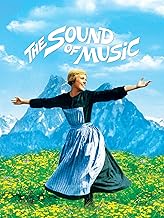 | Best for Readers Seeking a Specific Sound of Music Edition | Title: The Sound of Music | Format: Not provided | Description: Not provided | VIEW ON AMAZON | See Our Full Breakdown |
| Music Production, Pro Edition: Advanced Studio & Recording Techniques for Producers, Artists, Songwriters and Audio Engineers |  | Best for Advanced Studio Craft | Format: Book | Edition: Pro Edition | Focus: Advanced studio and recording techniques | VIEW ON AMAZON | See Our Full Breakdown |
| Music Production Masterclass: Everything You Need to Know About Producing, Studio Recording, Mixing, Mastering and Songwriting (2 Book Bundle) |  | Best Broad Music-Production Bundle | Format: Two-book bundle | Subjects: Music production, studio recording, mixing, mastering, and songwriting | Intended readers: Aspiring producers and musicians | VIEW ON AMAZON | See Our Full Breakdown |
| Sync Your Song: A Beginner’s Guide to Licensing Your Music for Movies, TV, Videos, Games, and Advertisements |  | Best for Music Licensing Beginners | Format: Book | Focus: Licensing music for media | Experience level: Beginner | VIEW ON AMAZON | See Our Full Breakdown |
| Music Editing for Film and Television: The Art and the Process |  | Best for Film and TV Music Editors | Format: Book | Title focus: Music editing for film and television | Coverage: Artistic and technical aspects of the editing process | VIEW ON AMAZON | See Our Full Breakdown |
| Sing: Music from the Motion Picture Soundtrack – Piano, Vocal, and Guitar Chords |  | Best for Playing Movie Songs | Format: Songbook | Source: Sing motion-picture soundtrack | Number of songs: 16 | VIEW ON AMAZON | See Our Full Breakdown |
| Music Composition for Film and Television |  | Best for Film-Scoring Craft | Title: Music Composition for Film and Television | ASIN: 0876391226 | Subject: Film and television music composition | VIEW ON AMAZON | See Our Full Breakdown |
| Hearing the Movies: Music and Sound in Film History |  | Best for Film-Sound History | Title: Hearing the Movies: Music and Sound in Film History | ASIN: 0199987718 | Subject: Music and sound in film history | VIEW ON AMAZON | See Our Full Breakdown |
| The Sound of Music: The Making of America’s Favorite Movie |  | Best Behind-the-Scenes Film-Making Pick | Title: The Sound of Music: The Making of America’s Favorite Movie | ASIN: B07BN42R6P | Subject: Production history of The Sound of Music | VIEW ON AMAZON | See Our Full Breakdown |
| Sync Your Song: A Beginner’s Guide to Licensing Your Music for Movies, TV, Video Games, and Advertisements |  | Best for Beginner Sync Licensing | Title: Sync Your Song: A Beginner’s Guide to Licensing Your Music for Movies, TV, Video Games, and Advertisements | ASIN: B0D71WNG7Z | Subject: Music licensing for media | VIEW ON AMAZON | See Our Full Breakdown |
| music production movie | Format | ASIN | Subject |
|---|---|---|---|
| Music Production for Beginners | Paperback | — | — |
| Complete Guide to Film Scoring | Book | — | Film scoring |
| The Sound of Music: The Making | Book | — | The making of The Sound of Music |
| Sound Design: The Expressive P | Book | — | Sound design in cinema |
| The Sound of Music | Not provided | — | — |
| Music Production | Book | B0FYH5FKT2 | — |
| Music Production Masterclass: | Two-book bundle | B0H34NL7MC | — |
| Sync Your Song: A Beginner’s G | Book | B0D733F54Y | — |
| Music Editing for Film and Tel | Book | 0415817579 | — |
| Sing: Music from the Motion Pi | Songbook | 1495089916 | — |
| Music Composition for Film and | — | 0876391226 | Film and television music composition |
| Hearing the Movies: Music and | Book | 0199987718 | Music and sound in film history |
| The Sound of Music: The Making | — | B07BN42R6P | Production history of The Sound of Music |
| Sync Your Song: A Beginner’s G | — | B0D71WNG7Z | Music licensing for media |
More Details on Our Top Picks
Music Production for Beginners (2020 Edition)
Music Production for Beginners is the most direct starting point here for readers who want to make tracks, rather than study how music functions in finished films. Its step-by-step production guidance and EDM examples give newcomers practical ways to approach a workflow, while the music-business basics introduce concerns beyond the studio. Compared with Complete Guide to Film Scoring, this book prioritizes creating music over composing to picture, so it is a better fit for learning production fundamentals than film-composition craft. That focus is also its main limitation: EDM receives particular attention, which may leave other styles less represented. The 2020 paperback edition can also date as software changes, so readers should treat interface-specific guidance cautiously and look elsewhere for current tool instructions.
Pros:- Explains production concepts in beginner-friendly language
- Combines technical fundamentals with music-business basics
- Uses practical examples, including EDM
- Provides step-by-step workflow guidance
Cons:- Its strong EDM emphasis may not suit producers of other styles
- The 2020 printed edition may not reflect newer software versions
Best for: New producers seeking an accessible introduction to track-making, especially those interested in EDM and basic music-business concepts.
Not ideal for: Composers focused on scoring scenes or producers seeking current, genre-neutral software instruction.
- Edition:2020
- Format:Paperback
- Primary focus:Music production fundamentals
- Genre examples:Includes EDM
- Additional subject:Music business basics
- Instruction style:Step-by-step guidance
Our verdict“Choose this paperback for accessible, EDM-leaning production fundamentals; choose Complete Guide to Film Scoring if your main goal is writing for picture.”
Complete Guide to Film Scoring: The Art and Business of Writing Music for Movies and TV
For readers whose production goal is music that serves a scene, Complete Guide to Film Scoring is the clearest match in this group. Its stated scope joins film and television composition with royalties and contracts, connecting creative work to the business questions a working composer faces. That makes it more directly relevant to screen music than Music Production for Beginners, which concentrates on building tracks and leans toward EDM. The tradeoff is that the available product information gives little detail about its teaching approach, examples, or technical depth, so I would not treat it as a confirmed hands-on production manual. It is best approached as a film-scoring guide for composers and songwriters, not as a broad introduction to studio tools or a film-history book.
Pros:- Targets composition for both film and television
- Addresses creative work alongside industry business topics
- Includes royalties and contracts
- Relevant to both composers and songwriters
Cons:- Available information does not establish its level of technical or practical instruction
- Its film-scoring focus is narrower than a general music-production primer
Best for: Songwriters and aspiring screen composers who want a guide spanning film and TV composition plus contracts and royalties.
Not ideal for: Beginners primarily seeking DAW tutorials, recording workflows, or detailed production exercises.
- Format:Book
- Subject:Film scoring
- Media covered:Movies and television
- Creative topics:Composition for screen
- Business topics:Royalties and contracts
- Intended readers:Composers and songwriters
Our verdict“Pick this guide if composing for movies and television is your priority, but choose Music Production for Beginners for entry-level track-making instruction.”
The Sound of Music: The Making of America’s Favorite Movie
This book approaches music on screen from the production-history side, tracing how The Sound of Music was made through behind-the-scenes stories and historical detail. It is a better fit for readers curious about a landmark musical’s creation than Sound Design: The Expressive Power of Music, Voice, and Sound Effects in Cinema, whose subject is the broader role of sound in cinematic storytelling. The distinction matters: this title offers a focused account of one film, not a general guide to composing, recording, or producing music. That focus gives fans a specific production to explore, but it also narrows its appeal to readers interested in this movie or film history. The provided details mention no supplementary multimedia, so buyers should expect a book-based account rather than an audiovisual companion.
Pros:- Focuses on the making of a specific, well-known movie musical
- Offers behind-the-scenes stories and production detail
- Provides historical context for film enthusiasts
Cons:- Its subject is limited to The Sound of Music
- No additional multimedia content is described
Best for: Fans of The Sound of Music and readers interested in the behind-the-scenes history of a classic movie musical.
Not ideal for: Music producers seeking practical studio instruction or readers wanting a survey of sound across many films.
- Format:Book
- Subject:The making of The Sound of Music
- Coverage:Behind-the-scenes stories and production details
- Category:Film history
- Film type:Classic musical
- Additional multimedia:None described
Our verdict“Choose this book for a focused history of The Sound of Music’s production, not for hands-on music-production lessons.”
Sound Design: The Expressive Power of Music, Voice, and Sound Effects in Cinema
Sound Design is the broadest cinema-sound choice among these entries: its stated subject connects music, voice, and sound effects to storytelling and expression. That makes it a useful conceptual counterpoint to The Sound of Music: The Making of America’s Favorite Movie, which focuses on the production history of one musical. Readers looking to understand how different sound elements shape a film’s meaning may prefer this wider lens; those wanting a case study of a specific movie should look to the latter. The tradeoff is that the available description does not specify exercises, technical methods, or production workflows. I would choose it for thinking about sound’s expressive role in cinema, not assume it teaches practical recording or mixing skills based on the information provided.
Pros:- Considers music, voice, and effects together
- Connects sound choices to cinematic expression
- Offers a broader film-sound scope than a single-movie history
Cons:- Available details do not confirm practical exercises or production workflows
- The description does not specify its technical depth or intended experience level
Best for: Film students, sound-curious producers, and movie enthusiasts interested in how music, dialogue, and effects contribute to cinematic storytelling.
Not ideal for: Readers who need step-by-step DAW instruction, technical mixing guidance, or a detailed history of one particular film.
- Format:Book
- Subject:Sound design in cinema
- Sound elements:Music, voice, and sound effects
- Central theme:Expressive power of sound
- Context:Cinematic storytelling
- Technical instruction details:Not provided
Our verdict“Choose this book for a conceptual view of sound’s storytelling role in cinema; choose the Sound of Music history for a focused production account.”
The Sound of Music
This listing is titled The Sound of Music, but the supplied details do not identify its format, contents, or connection to the movie’s production. That makes it a much less certain choice than The Sound of Music: The Making of America’s Favorite Movie, which is explicitly described as a behind-the-scenes history. The shared title alone does not establish whether this item is a film, soundtrack, book, or another edition, so I would not buy it expecting production insight or music-making guidance without checking the listing’s edition details. Its potential advantage is simply that it may suit someone looking for a particular item under this title; the lack of supporting information is the central drawback. For a dependable music-production or film-history pick, the other named books have clearer stated subjects.
Pros:- Clearly identifies The Sound of Music as its title
- May fit a buyer seeking a specific edition under that title
- Can be compared with the separately described making-of book before purchase
Cons:- No description establishes the format or contents
- No supplied details confirm any music-production or film-making material
- The title alone leaves its relationship to the making-of book unclear
Best for: A buyer who has confirmed that this specific listing matches the edition or item they already intend to obtain.
Not ideal for: Readers seeking documented production history, film-scoring instruction, or verified sound-design content from the information provided.
- Title:The Sound of Music
- Format:Not provided
- Description:Not provided
- Edition:Not provided
- Contents:Not provided
- Product type:Not specified
Our verdict“Only choose this listing after confirming its format and contents; the making-of book is the safer pick for documented production history.”
Music Production, Pro Edition: Advanced Studio & Recording Techniques for Producers, Artists, Songwriters and Audio Engineers
For readers approaching music production movies from the sound-making side, this book focuses on the studio skills behind recorded music rather than how a film score is composed or edited. Its emphasis on advanced recording techniques suits producers and engineers who want to develop professional workflows; that makes it a more specialized choice than Music Production Masterclass, whose two-book format promises broader coverage of songwriting, mixing, and mastering. The tradeoff is that a technical focus may leave beginners without an easy starting point, and the description does not identify particular methods, chapters, or companion resources. I’d choose this when your interest is how music is recorded and produced for use in media, not when you need direct guidance on film-music licensing or editing.
Pros:- Focuses on advanced studio and recording techniques.
- Addresses producers, artists, songwriters, and audio engineers.
- Covers a broad range of music production topics.
Cons:- The technical focus may be difficult for beginners.
- The available description does not identify specific techniques or chapter-level coverage.
Best for: Experienced home-studio producers, recording artists, and audio engineers who want advanced recording guidance relevant to creating polished music for media projects.
Not ideal for: New producers looking for step-by-step fundamentals, or film editors seeking instruction specifically on synchronizing music to picture.
- Format:Book
- Edition:Pro Edition
- Focus:Advanced studio and recording techniques
- Intended readers:Producers, artists, songwriters, and audio engineers
- Experience level:Advanced
- ASIN:B0FYH5FKT2
Our verdict“Choose this for advanced studio-production guidance; pick Music Production Masterclass for a broader entry point across production topics.”
Music Production Masterclass: Everything You Need to Know About Producing, Studio Recording, Mixing, Mastering and Songwriting (2 Book Bundle)
This two-book bundle is the broadest practical production pick here: it spans recording, mixing, mastering, and songwriting, skills that can help a reader develop music before pursuing film or media placements. Compared with Music Production, Pro Edition, it appears better suited to learners who want several areas in one package rather than an advanced studio-techniques focus. It is also more hands-on with music creation than Sync Your Song, which centers on licensing finished music for media. The limitation is that the product description does not explain how deeply either book treats each subject, so “everything you need to know” cannot be taken as a guarantee of exhaustive instruction. I’d pick it for breadth, but not as a substitute for specialist film-editing or sync-licensing guidance.
Pros:- Combines two books in a single bundle.
- Covers songwriting and multiple stages of production.
- A broader learning scope than the advanced-techniques focus of Music Production, Pro Edition.
- Aims at both beginner and intermediate learners.
Cons:- The available description does not clarify the depth of coverage for each subject.
- Prerequisites and the intended learning sequence are not specified.
Best for: Aspiring producers and intermediate musicians who want one learning bundle spanning songwriting, studio recording, mixing, and mastering.
Not ideal for: Readers seeking detailed instruction on film scoring, music editing to picture, or licensing tracks for specific media uses.
- Format:Two-book bundle
- Subjects:Music production, studio recording, mixing, mastering, and songwriting
- Intended readers:Aspiring producers and musicians
- Experience level:Beginner to intermediate
- Number of books:2
- ASIN:B0H34NL7MC
Our verdict“Choose this bundle for broad music-making instruction, but look to Sync Your Song for media-licensing guidance.”
Sync Your Song: A Beginner’s Guide to Licensing Your Music for Movies, TV, Videos, Games, and Advertisements
Among these selections, this is the most directly tied to getting music into movies and other screen media: it addresses music licensing rather than teaching studio production or film-score composition. That focus gives it a clearer route into the business side than Music Production Masterclass, which covers how to create and finish music but does not promise licensing guidance. Its stated beginner orientation also makes it more approachable than Music Production, Pro Edition for readers new to the subject. The tradeoff is scope: this is an introduction to licensing, not a technical production manual, and the description mentions no supplementary materials. I’d choose it to understand the licensing path across several media formats, but not to learn how to edit a cue to picture or improve a mix.
Pros:- Directly addresses licensing music for movies and other media.
- Designed as an introduction for beginners.
- Includes film, television, video, games, and advertisements in its stated scope.
Cons:- Does not offer detailed technical production guidance.
- No supplementary materials are described.
Best for: Independent musicians and new producers who want an introduction to licensing original songs for film, television, games, video, or advertising.
Not ideal for: Audio engineers seeking recording instruction, or film composers looking for score-writing and music-editing techniques.
- Format:Book
- Focus:Licensing music for media
- Experience level:Beginner
- Media covered:Movies, television, videos, games, and advertisements
- Guidance scope:Introduction from concept to completion
- ASIN:B0D733F54Y
Our verdict“Pick this to learn the basics of licensing music for screen and media projects, rather than studio production or film editing.”
Music Editing for Film and Television: The Art and the Process
This is the specialist choice for understanding what happens when music meets the picture: its focus is the creative and technical process of music editing for film and television. That makes it a closer fit for screen-media professionals than Sync Your Song, which focuses on licensing tracks, or Music Production, Pro Edition, which centers on recording and studio craft. Its attention to both art and process also distinguishes it from books aimed at composing or producing music without a specific editing context. The drawback is that the description promises insight rather than detailed tutorials, and there are no accompanying multimedia resources. I’d select it for a conceptual understanding of the editor’s role and workflow, not as a practical software course or a guide to creating a score from scratch.
Pros:- Dedicated to music editing for film and television.
- Addresses both artistic choices and the editing process.
- More directly relevant to picture-based editing than general production books.
Cons:- The description does not promise detailed technical tutorials.
- No accompanying multimedia resources are specified.
Best for: Film and television music editors, post-production learners, and music professionals who want to understand the editorial process for music in visual media.
Not ideal for: Beginners looking for step-by-step software lessons, or songwriters seeking advice on licensing tracks for screen use.
- Format:Book
- Title focus:Music editing for film and television
- Coverage:Artistic and technical aspects of the editing process
- Intended audience:Film and TV sound professionals
- Tutorial format:Detailed technical tutorials are not specified
- Multimedia resources:None specified
- ASIN:0415817579
Our verdict“Choose this for the creative and practical context of film and TV music editing, not for software training or licensing basics.”
Sing: Music from the Motion Picture Soundtrack – Piano, Vocal, and Guitar Chords
This is the most performance-focused pick in the group: instead of explaining how to produce or edit music for film, it provides 16 songs from Sing arranged for piano, voice, and guitar. That makes it a practical choice for musicians who want to play recognizable soundtrack material, while Music Editing for Film and Television is aimed at understanding the professional work behind music in picture. It also differs from Sync Your Song, which covers licensing original music rather than performing existing movie songs. The tradeoff is a narrow, film-specific repertoire and no stated production instruction. The description gives limited detail about difficulty or arrangement specifics, so I’d choose it for playing the soundtrack, not for learning recording techniques or broader film-music craft.
Pros:- Includes 16 songs from the Sing motion-picture soundtrack.
- Arrangements are provided for piano, voice, and guitar.
- Offers a performance-oriented alternative to production and editing books.
Cons:- Limited to songs from one film soundtrack.
- The description does not specify arrangement difficulty or detailed notation features.
Best for: Piano, voice, or guitar players who are fans of Sing and want written arrangements of songs from its motion-picture soundtrack.
Not ideal for: Producers, composers, and editors seeking instruction in recording, film scoring, music editing, or sync licensing.
- Format:Songbook
- Source:Sing motion-picture soundtrack
- Number of songs:16
- Instrumentation:Piano, voice, and guitar
- Arrangement type:Piano, vocal, and guitar chords
- ASIN:1495089916
Our verdict“Choose this if your goal is to play songs from Sing; choose Music Editing for Film and Television to learn about music work behind the picture.”
Music Composition for Film and Television
Music Composition for Film and Television is the most directly composition-focused choice here: its Berklee guide framing and Lalo Schifrin credit point toward learning how music is shaped for screen storytelling, rather than studying a single film’s production history. Compared with Hearing the Movies, which examines music and sound across film history, this title is better suited to readers seeking a composer’s perspective. It also pairs naturally with Music Editing for Film and Television in a broader scoring-and-post-production reading list. The available details, however, do not identify specific exercises, chapters, or production tools, so buyers seeking a hands-on software manual may find its scope unclear. Its focus on composition for film and television also makes it less relevant to readers chiefly interested in popular music production outside screen work.
Pros:- Focuses specifically on composition for film and television
- Berklee guide framing connects the subject to music education
- Credits award-winning composer Lalo Schifrin
- More composition-oriented than the film-history approach of Hearing the Movies
Cons:- Available product details do not describe the book’s chapters or exercises
- No specific software, recording workflow, or production techniques are listed
- Its screen-composition focus may be narrow for general music producers
Best for: Aspiring screen composers and filmmakers looking for a guide centered on composing music for film and television.
Not ideal for: Producers seeking step-by-step DAW instruction, detailed technical exercises, or a general guide to making records.
- Title:Music Composition for Film and Television
- ASIN:0876391226
- Subject:Film and television music composition
- Author:Lalo Schifrin
- Guide affiliation:Berklee guide
- Stated focus:Film-scoring techniques for composers and filmmakers
Our verdict“Choose this for a composer-centered introduction to film and television scoring, but look elsewhere for detailed studio or DAW instruction.”
Hearing the Movies: Music and Sound in Film History
Hearing the Movies takes a historical and analytical route through screen audio, looking at how music and sound shape the film experience. That makes it a stronger fit for film students and curious viewers than Music Composition for Film and Television, which is framed around scoring techniques for working composers and filmmakers. It can help readers listen more attentively to the role of audio in cinema, rather than teach them how to produce a cue or arrange a score. The tradeoff is specificity: the supplied product information does not outline its chapters, methods, or practical exercises, so readers cannot tell how much attention it gives to production workflows. Compared with the behind-the-scenes focus of The Sound of Music: The Making of America’s Favorite Movie, this is the broader choice for understanding film sound across history.
Pros:- Covers both music and sound in film
- Connects audio choices to the cinematic experience
- Historical perspective gives it a broader scope than a single-film production account
Cons:- Available details do not provide a chapter-by-chapter content overview
- No practical composition or production exercises are specified
- May be more analytical than useful for readers seeking hands-on music-making instruction
Best for: Film studies students and movie enthusiasts who want to examine how music and sound function across film history.
Not ideal for: Screen composers or recording producers who need actionable scoring exercises, studio methods, or licensing guidance.
- Title:Hearing the Movies: Music and Sound in Film History
- ASIN:0199987718
- Subject:Music and sound in film history
- Format:Book
- Stated focus:The role of music and sound in film
- Intended readership:Film enthusiasts and students of film studies
Our verdict“Pick this for a film-history perspective on cinematic sound, not as a practical manual for producing or scoring music.”
The Sound of Music: The Making of America’s Favorite Movie
The Sound of Music: The Making of America’s Favorite Movie is the most film-specific option in this group, focusing on one production through its history, casting, musical arrangements, photographs, and anecdotes. Its illustrated, narrative approach sets it apart from Hearing the Movies, which examines film music and sound across a wider historical field. For readers interested in how a celebrated musical came together, the production details offer a more personal route into the relationship between songs and screen storytelling. The limitation is equally clear: this is not a broad guide to music production, scoring methods, or licensing, and readers familiar with existing documentaries may encounter less new material. Compared with Music Composition for Film and Television, it offers a behind-the-scenes account rather than instruction for composing cues.
Pros:- Centers on the production history of a specific iconic musical
- Includes rare behind-the-scenes photographs
- Covers casting choices and musical arrangements
- Narrative approach can suit both fans and readers interested in film production
Cons:- Focuses on one film rather than general music-production methods
- May add limited new information for readers familiar with existing documentaries
- Does not claim to provide practical scoring, recording, or licensing instruction
Best for: Fans of The Sound of Music who want photographs and production stories about its casting, arrangements, and making.
Not ideal for: Music producers seeking transferable recording or scoring techniques, or readers who already know the film’s production story from documentaries.
- Title:The Sound of Music: The Making of America’s Favorite Movie
- ASIN:B07BN42R6P
- Subject:Production history of The Sound of Music
- Content:Casting choices and musical arrangements
- Photographs:Rare behind-the-scenes photographs
- Approach:Narrative account with production anecdotes
Our verdict“Choose this for an illustrated account of how The Sound of Music was made, rather than for techniques you can apply across productions.”
Sync Your Song: A Beginner’s Guide to Licensing Your Music for Movies, TV, Video Games, and Advertisements
Sync Your Song serves a different part of the music-for-screen path from the scoring books: it focuses on licensing a song for movies, television, games, and advertisements. The described step-by-step guidance, industry examples, and contract advice make it a more business-oriented starting point than Music Composition for Film and Television, which centers on composing for film and television. That distinction matters for musicians who already make music and want to understand how it can be placed in media, rather than learn to write a score. Its beginner framing is also its main limit: advanced or niche licensing questions may receive less attention. Compared with Hearing the Movies, this guide is practical and career-facing, not an analysis of how sound functions in cinema.
Pros:- Covers licensing for movies, television, video games, and advertisements
- Step-by-step approach is aimed at beginners
- Includes real-world examples and contract advice
- Addresses music monetization rather than only composition or film analysis
Cons:- Beginner focus may leave advanced or niche licensing topics underdeveloped
- The description does not identify specific contract forms or detailed chapter contents
- Licensing guidance does not teach scoring, recording, or production techniques
Best for: Independent musicians and new songwriters seeking an introductory path to licensing tracks for screen, games, and advertising.
Not ideal for: Experienced music supervisors, publishers, or rights professionals who need advanced treatment of specialized licensing scenarios.
- Title:Sync Your Song: A Beginner’s Guide to Licensing Your Music for Movies, TV, Video Games, and Advertisements
- ASIN:B0D71WNG7Z
- Subject:Music licensing for media
- Intended level:Beginner
- Media covered:Movies, television, video games, and advertisements
- Stated topics:Concept development through final contract completion
- Guidance:Practical tips, industry insights, examples, and contract advice
Our verdict“Pick this if you are a new songwriter seeking a practical introduction to licensing music for media, not a guide to composing or producing it.”
How We Picked
I ranked these 14 entries by how directly they serve the search intent behind music production movies: understanding music production, composing for screen, shaping cinematic sound, or exploring a movie through its music. I gave more weight to resources with a clear learning purpose and a practical connection to audio or film work than to entertainment-only or historical choices. That puts the sound-design and film-scoring references ahead for readers seeking skills, while the musical film and soundtrack arrangements remain useful for different, more specific goals.
I also considered audience fit, scope, and likely usefulness beyond a single read. Beginner-oriented instruction ranks well for accessibility; specialist texts rank well when their subject matches a defined goal, but not as general recommendations. Duplicate or near-duplicate listings do not receive extra credit simply for appearing twice, and the rankings do not imply that every title is a movie or a hands-on production manual.
| music production movie | Format |
|---|---|
| Music Production for Beginners | Paperback |
| Complete Guide to Film Scoring | Book |
| The Sound of Music: The Making | Book |
| Sound Design: The Expressive P | Book |
| The Sound of Music | Not provided |
| Music Production | Book |
| Music Production Masterclass: | Two-book bundle |
| Sync Your Song: A Beginner’s G | Book |
| Music Editing for Film and Tel | Book |
| Sing: Music from the Motion Pi | Songbook |
| Music Composition for Film and | — |
| Hearing the Movies: Music and | Book |
| The Sound of Music: The Making | — |
| Sync Your Song: A Beginner’s G | — |
Factors to Consider When Choosing Music Production Movies
Before choosing, decide whether you want to watch a film, learn a production skill, study film scoring, or explore how sound shapes a story. These options sit across all four purposes, so a title that fits one goal may disappoint someone expecting another.
Decide Whether You Want a Film or a Learning Resource
The phrase “music production movies” can point to fictional musicals, documentaries, production books, or films about the craft. Start by deciding whether you want entertainment or instruction; a movie can inspire listening without teaching a repeatable workflow. If you want to improve your mixes or recording process, choose a practical production guide rather than assuming a film-focused title will include exercises. If you want to understand how a score supports a scene, film-scoring and sound-design references are a closer match. A common mistake is choosing by keyword alone and finding that the format does not suit the goal. Check the listing’s format and contents before committing.
Match the Resource to Your Current Skill Level
Beginners often benefit most from plain explanations of recording, arrangement, and basic mixing, while experienced producers may find introductory material repetitive. Advanced books can offer broader studio topics, but dense coverage is less useful if the reader lacks the vocabulary to apply it. Think about the next skill you want to build, not just the most ambitious title on the list. For a newcomer, a clear foundation can be more valuable than a specialist reference that assumes prior experience. For a working musician, a focused book on scoring or editing may fill a specific gap. Check sample pages or a table of contents when available.
Separate Film Scoring from Music Production
Producing a song and composing a score overlap, but they are not the same job. Film scoring involves writing to picture, timing musical cues, and supporting a story; general production guides tend to focus on recording and shaping tracks. Music editing adds another layer, such as preparing and arranging music for a film or television workflow. Choose the subject that matches the work you expect to do. A producer seeking recording techniques may not get enough studio detail from a composition text, while a composer may find a general production manual too broad. When a title covers both art and business, check which side receives more attention.
Choose Between Practical Instruction and Film History
Historical and analytical books can sharpen how you hear film music, but they are not substitutes for production lessons. Resources on film history and a movie’s making can explain context, creative decisions, and the medium’s development. That knowledge is useful for students, fans, and creators who want a richer reference point. If your main goal is to complete a track or score, prioritize material that explains a process you can follow. If you want to study why a sound or musical choice works, analysis may be the better use of your time. Avoid expecting one kind of book to deliver the other kind of result.
Check the Exact Edition and Format
This roundup contains repeated or closely related listings, including two entries for The Sound of Music: The Making of America’s Favorite Movie and two versions of Sync Your Song. Similar titles may reflect different editions, formats, or listing details rather than meaningfully different subject matter. Compare the subtitle, publication information, included materials, and intended audience before deciding. The same caution applies to a film title and a book about that film: they offer very different experiences. For soundtrack arrangements, confirm that the instrumentation and song selection fit your needs. This simple check can prevent buying a familiar subject in the wrong format.
Pay for Specificity, Not Just a Bigger Scope
A broad resource can serve as a useful reference, but extra topics do not automatically make it a better fit. Pay more attention to whether a book addresses your actual task, such as licensing music, editing for picture, or composing for television. A specialist guide can be worthwhile when it answers a concrete question you expect to face. For casual film fans, a focused history or soundtrack resource may be more satisfying than an advanced technical manual. For new producers, a clear starting point can offer more usable value than a dense survey. Set a goal first, then judge the scope against that goal.
Frequently Asked Questions
Are all of these recommendations actual movies?
No. The roundup includes a musical film and soundtrack material, but many entries are books about production, film scoring, sound design, music editing, or film history. That distinction matters if you want something to watch rather than a resource to study. Check each item’s format before choosing, especially when a title refers to a well-known movie. If your goal is hands-on learning, a book may be more useful; if you want a screen experience, choose the film or soundtrack option.
Which option makes the most sense for someone new to music production?
Music Production for Beginners is the most direct starting point for readers who want foundational production guidance. A beginner can also benefit from a film-focused book, but its lessons may concern storytelling or scoring rather than recording and mixing. Before buying, check whether the material covers the tools and workflow you plan to use. If you are drawn to composing for picture, a scoring guide may be a better first step than a general production text. Pick one clear goal rather than trying to learn every part of audio work at once.
What should I choose if I want to compose music for films or television?
Start with a resource focused on film scoring or composition for screen, such as Complete Guide to Film Scoring or Music Composition for Film and Television. These subjects are more closely aligned with writing music to support visual storytelling than general studio-production instruction. If your interest extends to how finished cues are prepared and placed, music-editing material may complement a composition guide. Licensing guidance is a different need: it concerns placing existing music in media rather than composing a score. Choose based on whether you want to write new music, edit it for picture, or license songs.
Is a film-history or sound-design book useful if I want practical production skills?
It can help you develop a more informed ear, but it may not teach a repeatable recording or mixing workflow. Film-history resources explain context and critical listening, while sound-design material can clarify how music, voices, and effects work together in a scene. Those ideas can inform creative decisions even when they do not provide a studio tutorial. Pair an analytical book with practical instruction if you need both perspective and technique. If you have room for only one resource, choose the one that addresses the task you need to perform next.
How do I choose between the repeated or similarly named listings?
Compare the complete title, subtitle, edition details, and format rather than relying on the shared name. The two Sync Your Song listings have slightly different subtitle wording, and the two making-of entries share the same title. Those differences may reflect listing or edition variations, so confirm the actual contents before selecting one. Also distinguish a movie from a book about that movie, since the titles can be easy to confuse. If the available information shows no meaningful content difference, treat them as closely related choices rather than separate subject areas.
Conclusion
For the best overall look at how cinematic audio works, I recommend Sound Design: The Expressive Power of Music, Voice, and Sound Effects in Cinema. The best value for a focused screen-composition goal is Complete Guide to Film Scoring, while Music Production for Beginners is my best pick for new producers. Readers seeking a broader, more advanced studio reference should consider Music Production, Pro Edition as the premium specialist choice; those focused on licensing songs should choose Sync Your Song. For film fans interested in history or a familiar musical, look to Hearing the Movies or The Sound of Music. Choose by the experience you want—watching, learning production, composing for picture, or studying film sound—and verify the exact format before ordering.