For music production for Linux, my best overall pick in this lineup is Linux for Professional Music Production, since it focuses on setting up a Linux studio rather than adapting advice from another platform. REAPER: A Guide to Recording, Editing, and Mixing is a strong choice for readers who want DAW-focused instruction, while Audacity Audio Editing and Recording Software suits basic recording and editing. The main tradeoff is between Linux-specific setup help and broader lessons about production that may not address Linux compatibility. These twelve books and software options also vary in language, skill level, and how directly they support a complete workflow. Read on for the full breakdown and a recommendation matched to your needs.

Get audio and creator gear delivered free with Prime
- Fast, free delivery on millions of items
- Prime Video, Amazon Music and more included
- Member-only deals all year
Complete the kit



Key Takeaways
- Linux-specific guidance stands apart: The English Linux studio guide directly addresses installation and professional setup, while most other titles focus on a DAW or general production.
- REAPER resources offer the clearest DAW-centered path: Two REAPER guides give readers choices between a recording-and-mixing introduction and a broader, more extensive treatment.
- Audacity is best framed as an editing and recording option: Its software and companion guide suit simpler tasks, but they do not replace a full production workflow for every buyer.
- Several titles focus on platforms other than Linux: The FL Studio 20 book and software may interest readers with a separate compatible setup, but they are not the most direct Linux-first picks.
- Language and level affect the shortlist: The Italian Linux production guide may suit Italian readers, while DAW 101 and The Beginner’s Guide target newcomers more broadly.
| Audacity Audio Editing and Recording Software |  | Best for Hands-On Linux Audio Editing | Software type: Audio editing and recording software | Listed compatibility: Windows and Mac | Multitrack support: Recording and editing | VIEW ON AMAZON | See Our Full Breakdown |
| Audacity: The Complete Guide to Audio Recording, Editing, and Restoration |  | Best for Learning Audacity Workflows | Subject: Audacity | Format: Guide | Platform scope: All platforms | VIEW ON AMAZON | See Our Full Breakdown |
| Linux for Professional Music Production: The Complete Guide from First Installation to Professional Studio |  | Best for Linux Studio Setup | Subject: Music production for Linux | Format: Guide | Stated starting point: Initial installation | VIEW ON AMAZON | See Our Full Breakdown |
| Music Production Pro Edition: Advanced Studio & Recording Techniques for Producers, Artists, Songwriters, and Audio Engineers |  | Best for Advanced Technique Beyond Setup | Subject: Advanced music production and studio recording | Format: Book | Intended audience: Producers, artists, songwriters, and audio engineers | VIEW ON AMAZON | See Our Full Breakdown |
| DAW 101: The Beginner’s Blueprint for Music Production Software |  | Best for First-Time DAW Learners | Subject: Digital audio workstations and music production software | Format: Beginner’s guide | Intended audience: Beginning music producers | VIEW ON AMAZON | See Our Full Breakdown |
| The Music Producer’s Ultimate Guide to FL Studio 20 |  | Best for FL Studio Learners | Product type: Book | Software focus: FL Studio 20 | Main subject: Music production | VIEW ON AMAZON | See Our Full Breakdown |
| REAPER: A Guide to Recording, Editing, and Mixing |  | Best for REAPER Workflow Skills | Product type: Guide | Software focus: REAPER | Main topics: Recording, editing, and mixing | VIEW ON AMAZON | See Our Full Breakdown |
| Linux per la produzione musicale professionale: guida completa dalla prima installazione allo studio professionale (Linux Audio Pro, Vol. 1) (Italian Edition) |  | Best Linux-First Guide for Italian Readers | Language: Italian | Format: Book | Series: Linux Audio Pro | VIEW ON AMAZON | See Our Full Breakdown |
| The Beginner’s Guide to Computer-Based Music Production | 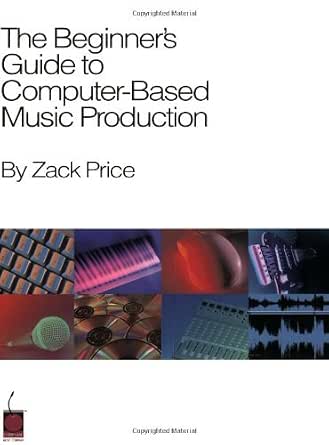 | Best for New Producers Comparing Tools | Product type: Book | Subject: Computer-based music production | Intended audience: Beginners | VIEW ON AMAZON | See Our Full Breakdown |
| Music Technology 101: Home Studio and Classroom Guide |  | Best for Visual Learners and Classroom Use | Product type: Guide | Author: Heath Jones | Intended audience: Beginners, home-studio users, and classrooms | VIEW ON AMAZON | See Our Full Breakdown |
| Image Line FL Studio 20 Producer Edition |  | Best for Linux Users Willing to Work Outside a Native Linux DAW | Product type: Digital audio workstation | Listed platforms: Mac and Windows | Audio recording: Supported | VIEW ON AMAZON | See Our Full Breakdown |
| Elevate Your Audio Production with REAPER: An Extensive Guide to Recording, Editing, and Mixing with a Powerful DAW |  | Best for Learning REAPER’s Recording and Mixing Workflow | Product type: REAPER instructional guide | Software covered: REAPER | Recording coverage: Recording techniques | VIEW ON AMAZON | See Our Full Breakdown |
| music production for linux | Subject | Linux-specific coverage | Product type |
|---|---|---|---|
| Audacity Audio Editing and Rec | — | — | — |
| Audacity: The Complete Guide t | Audacity | — | — |
| Linux for Professional Music P | Music production for Linux | — | — |
| Music Production Pro Edition: | Advanced music production and studio recording | Not specified in supplied product data | — |
| DAW 101: The Beginner’s Bluepr | Digital audio workstations and music production software | Not specified in supplied product data | — |
| The Music Producer’s Ultimate | — | Not specified | Book |
| REAPER: A Guide to Recording | Digital audio workstation use | Not specified | Guide |
| Linux per la produzione musica | Professional music production with Linux | — | — |
| The Beginner’s Guide to Comput | Computer-based music production | Not specified | Book |
| Music Technology 101: Home Stu | — | Not specified | Guide |
| Image Line FL Studio 20 Produc | — | — | Digital audio workstation |
| Elevate Your Audio Production | — | — | REAPER instructional guide |
More Details on Our Top Picks
Audacity Audio Editing and Recording Software
Audacity is the most directly usable tool in this group for recording and editing audio, rather than learning production from a book. Its multitrack workflow, effects, and controls for volume, tempo, and pitch can support arranging takes, cleaning recordings, and preparing audio for export. Compared with DAW 101, it gives you software to work in instead of introductory concepts alone; compared with the Linux-focused installation guide, it is an editing tool, not a setup manual.
The main Linux-specific caveat is the supplied compatibility information: it lists Windows and Mac, not Linux. Audacity is available for Linux, but this product listing does not establish which package or system versions it supports, so verify the download source and compatibility before buying. It also offers a more editing-centered workflow than a full production environment, which may limit its fit for buyers seeking a complete DAW-centered studio.
Pros:- Supports multitrack recording and editing
- Includes audio effects and volume, tempo, and pitch controls
- Imports and exports multiple audio formats
- Provides working software rather than only instructional material
Cons:- The supplied compatibility details list Windows and Mac, not Linux
- System requirements and supported operating system versions are unclear
- Its editing focus may not suit buyers looking for a complete production environment
Best for: Linux users seeking multitrack recording, audio cleanup, and editing software who will verify the current Linux download and compatibility separately
Not ideal for: Buyers who need a clearly documented Linux installer in the product listing or a full-featured DAW workflow for composing and arranging
- Software type:Audio editing and recording software
- Listed compatibility:Windows and Mac
- Multitrack support:Recording and editing
- Audio effects:Included
- Audio controls:Volume, tempo, and pitch
- File formats:Multiple audio import and export formats
Our verdict“Choose Audacity for practical multitrack editing on Linux only after confirming the available Linux build and your system compatibility.”
Audacity: The Complete Guide to Audio Recording, Editing, and Restoration
This guide is a workflow resource, not a Linux DAW or software bundle. Its stated coverage spans multitrack recording, noise reduction, effects processing, VST plugins, and export workflows, giving Audacity users a path from capture through cleanup and delivery. Compared with Audacity Audio Editing and Recording Software, it explains techniques rather than supplying the editing application itself; compared with Linux for Professional Music Production, it focuses on Audacity tasks instead of Linux studio setup from installation onward.
Its cross-platform scope may help readers carry concepts between systems, but the listing does not identify a Linux-specific setup procedure, edition, or detailed chapter structure. Buyers whose main need is composing and producing inside a full DAW may find the emphasis on recording, restoration, and export too narrow. I would pair it with compatible software rather than treat the book as a standalone production solution.
Pros:- Covers recording, editing, and restoration workflows
- Includes noise reduction and effects processing topics
- Addresses VST plugins and export workflows
- Described as covering workflows across platforms
Cons:- Does not include the Audacity software itself
- The listing provides no Linux-specific setup details
- Its Audacity-centered scope may not cover broader DAW production workflows
Best for: Audacity users on Linux who want guidance on recording, noise reduction, effects, plugin use, and export workflows
Not ideal for: Producers seeking a Linux installation guide, a DAW application, or an advanced composition curriculum
- Subject:Audacity
- Format:Guide
- Platform scope:All platforms
- Recording topic:Multitrack recording
- Restoration topic:Noise reduction
- Plugin topic:VST plugins
- Additional topics:Effects processing and export workflows
Our verdict“Pick this guide if you already plan to work in Audacity and need practical direction on cleanup and export, not Linux studio setup.”
Linux for Professional Music Production: The Complete Guide from First Installation to Professional Studio
This is the clearest match for a Linux-specific production goal because its stated scope runs from initial installation through professional studio setup. That makes it a more targeted starting point than Music Production Pro Edition, which describes advanced production techniques without a Linux focus, or DAW 101, which introduces software concepts for beginners. The promise is practical breadth across building a Linux music-production environment, rather than instruction on one editing application.
The limitation is how little detail the listing supplies. It names no distributions, audio systems, DAWs, hardware, or chapter topics, so I cannot tell whether its instructions match a particular setup or current software versions. Compared with the Audacity guide, this title has a broader system-level aim but less clearly specified coverage of individual recording and editing tasks. Buyers should seek a sample or contents list before relying on it for a specific studio configuration.
Pros:- Explicitly focuses on music production with Linux
- Covers the stated path from initial installation to studio setup
- Aims at professional studio use rather than general computer audio
- More Linux-specific in scope than the Audacity workflow guide
Cons:- The listing gives no distribution, DAW, or hardware details
- No chapter outline or software-version information is provided
- The breadth of its professional studio guidance cannot be verified from the supplied details
Best for: Linux musicians planning a new production setup who want a guide framed around installation and studio configuration
Not ideal for: Readers who need confirmed instructions for a named Linux distribution, particular DAW, or specific audio interface
- Subject:Music production for Linux
- Format:Guide
- Stated starting point:Initial installation
- Stated end point:Professional studio setup
- Platform focus:Linux
- Distribution details:Not specified in supplied product data
Our verdict“Choose this as a Linux setup-oriented guide if its contents match your distribution and gear, and verify that fit before depending on it.”
Music Production Pro Edition: Advanced Studio & Recording Techniques for Producers, Artists, Songwriters, and Audio Engineers
This book targets production craft, not Linux configuration. Its stated audience includes producers, artists, songwriters, and audio engineers, and its focus is advanced studio recording and music-production techniques. That gives it a different role from Linux for Professional Music Production, which specifically addresses installation and Linux studio setup, and from DAW 101, which is intended for newcomers. For a Linux producer who already has a working studio, technique-focused material may be more relevant than another setup primer.
The platform gap is the key tradeoff. The supplied description does not name Linux, software, DAWs, or particular recording methods, so I cannot confirm how much of the advice applies to a Linux workflow. It also offers no specific chapter or technique list to help match the book to a skill gap. This is a better fit for readers seeking broad studio development than for anyone choosing Linux tools or troubleshooting compatibility.
Pros:- Aims at advanced studio and recording techniques
- Addresses producers, artists, songwriters, and audio engineers
- Focuses on production skills rather than basic DAW definitions
- Can complement the Linux setup emphasis of the Linux-specific guide
Cons:- The supplied description does not identify Linux-specific instruction
- No DAWs, recording methods, or chapter details are specified
- The stated coverage is too broad to confirm fit for a particular skill gap
Best for: Experienced Linux-based producers, songwriters, and audio engineers seeking general studio and recording technique guidance after their setup is working
Not ideal for: Linux beginners who need installation instructions, specific DAW tutorials, or verified Linux-compatible workflows
- Subject:Advanced music production and studio recording
- Format:Book
- Intended audience:Producers, artists, songwriters, and audio engineers
- Production focus:Advanced techniques
- Linux-specific coverage:Not specified in supplied product data
- DAW coverage:Not specified in supplied product data
Our verdict“Consider this for general advanced studio skills once your Linux production setup is established, but not as a Linux or DAW manual.”
DAW 101: The Beginner’s Blueprint for Music Production Software
DAW 101 is the gentlest entry point in this group for someone still learning what music production software does. Its beginner focus and practical tips can help a new producer understand DAW concepts before choosing a workflow. That contrasts with Music Production Pro Edition, which is aimed at advanced techniques, and with Linux for Professional Music Production, which promises guidance from installation to studio setup rather than a general introduction to DAWs.
Its usefulness for Linux depends on how platform-neutral the instruction is. The supplied description does not name Linux software or provide a specific setup path, and the book includes no software or tools. It also stops short of detailed advanced techniques, so readers who already know recording and arrangement basics may outgrow it. I would use it to build vocabulary and foundational understanding, then pair that learning with Linux-specific setup guidance and a compatible DAW.
Pros:- Designed for beginners learning music production software
- Explains essential DAW concepts
- Includes practical starting tips
- Can prepare newcomers before they tackle the Linux setup guide
Cons:- Does not include software or production tools
- The supplied description does not identify Linux-specific instruction
- Limited focus on advanced production techniques
Best for: New Linux music makers who need to understand DAW basics before selecting and configuring production software
Not ideal for: Experienced producers seeking advanced recording methods, or Linux users who need step-by-step instructions for a specific DAW
- Subject:Digital audio workstations and music production software
- Format:Beginner’s guide
- Intended audience:Beginning music producers
- Coverage:Essential DAW concepts
- Additional material:Practical tips
- Included software or tools:None stated
- Linux-specific coverage:Not specified in supplied product data
Our verdict“Choose this for foundational DAW knowledge if you are new to production, then use Linux-specific resources to configure your actual studio.”
The Music Producer’s Ultimate Guide to FL Studio 20
FL Studio 20 focus gives this book a defined role: it is for readers who have already chosen Image-Line’s DAW and want guidance on making music with it. The description promises coverage of production techniques and workflows for beginners and experienced producers, making it more software-specific than The Beginner’s Guide to Computer-Based Music Production, which introduces a wider range of tools. That focus is useful if you want to build skill inside one workflow, but it does not make the book a Linux setup guide. The available details do not confirm Linux compatibility advice, an edition, or particular features, so I would pair it with research on whether your chosen FL Studio version and setup meet your needs. Skip it if you want a Linux-first guide or broad DAW comparisons.
Pros:- Dedicated to creating music with FL Studio 20 rather than covering DAWs only in general terms.
- Described as suitable for both beginners and experienced producers.
- Covers a range of production techniques and workflows.
Cons:- The supplied details do not confirm Linux-specific setup or compatibility guidance.
- No edition, format, author, or specific chapter details are provided.
- Its FL Studio focus offers less breadth than a general computer-based production guide.
Best for: Producers who have selected FL Studio 20 and want structured instruction on its music-making workflows, regardless of whether they already know basic production concepts.
Not ideal for: Linux users seeking help installing, configuring, or troubleshooting a Linux audio workstation; the supplied description does not establish that Linux is covered.
- Product type:Book
- Software focus:FL Studio 20
- Main subject:Music production
- Topics:Production techniques and workflows
- Intended experience:Beginners and experienced producers
- Linux-specific coverage:Not specified
Our verdict“Choose this for FL Studio 20 workflow instruction, but pick a Linux-focused guide if your main need is building a Linux audio setup.”
REAPER: A Guide to Recording, Editing, and Mixing
Recording, editing, and mixing are the stated focus here, so this guide is a more targeted choice than The Beginner’s Guide to Computer-Based Music Production, which covers broader production fundamentals and multiple tools. For a Linux roundup, that narrower remit may appeal to someone who has settled on REAPER and wants to learn its core studio tasks. The product information, however, does not say whether the book addresses REAPER on Linux, nor does it provide an author, edition, or format. I would not treat the title alone as proof of Linux installation or configuration help. Compared with the FL Studio-focused book in this list, it centers on a different DAW and practical recording stages, but the limited description makes it harder to judge depth.
Pros:- Explicitly covers recording, editing, and mixing.
- Focused on REAPER rather than presenting only general production concepts.
- Its task-based subject areas can suit producers looking to strengthen core DAW workflows.
Cons:- The supplied description does not confirm Linux-specific REAPER guidance.
- Author, edition, and format are not provided.
- No detail is given about chapter depth, exercises, or intended skill level.
Best for: Linux-based producers who already use REAPER and want a guide centered on recording, editing, and mixing tasks.
Not ideal for: Readers who need confirmed Linux installation instructions, detailed technical specifications, or a clearly described beginner-to-advanced curriculum.
- Product type:Guide
- Software focus:REAPER
- Main topics:Recording, editing, and mixing
- Subject:Digital audio workstation use
- Linux-specific coverage:Not specified
- Author:Not provided
- Edition and format:Not provided
Our verdict“Pick this if REAPER is already your DAW and you want a guide to its recording and mix workflow, not if you need verified Linux setup help.”
Linux per la produzione musicale professionale: guida completa dalla prima installazione allo studio professionale (Linux Audio Pro, Vol. 1) (Italian Edition)
Linux-first coverage makes this the clearest match in this group for readers whose main goal is producing music on Linux. Its title describes a route from initial installation to a professional studio, unlike REAPER: A Guide to Recording, Editing, and Mixing, whose supplied description focuses on DAW tasks without confirming Linux setup advice. The Italian-language edition is a meaningful strength for readers who prefer technical instruction in Italian, and the series label identifies it as volume one of Linux Audio Pro. The tradeoff is that the provided information gives no chapter list, supported distributions, software names, or skill-level detail. English-speaking readers may find the language a barrier, while anyone needing specific compatibility guidance should verify the book’s coverage before relying on its broad title.
Pros:- Dedicated to music production with Linux.
- Title indicates coverage from initial installation to professional studio setup.
- Italian-language text serves readers who prefer technical material in Italian.
- Part of the Linux Audio Pro series.
Cons:- Italian language limits accessibility for readers who need English instruction.
- The supplied description does not identify supported distributions, DAWs, or audio tools.
- No chapter breakdown or level of technical detail is provided.
Best for: Italian-speaking producers who want a Linux-centered guide described as covering the path from first installation toward a professional studio.
Not ideal for: Readers who need English instruction, confirmed coverage of a particular Linux distribution or DAW, or detailed chapter information before choosing.
- Language:Italian
- Format:Book
- Series:Linux Audio Pro
- Series volume:Vol. 1
- Subject:Professional music production with Linux
- Stated scope:From first installation to professional studio
Our verdict“Choose this over the general REAPER guide if you read Italian and want a Linux-centered production path, while checking the specific software coverage first.”
The Beginner’s Guide to Computer-Based Music Production
Beginner-friendly fundamentals are the main reason to choose this book: it introduces software, workflow techniques, and creative practices rather than assuming prior production knowledge. The description also mentions practical exercises, giving new producers a way to apply concepts as they learn. Compared with Music Technology 101: Home Studio and Classroom Guide, this title emphasizes computer-based production and a range of popular DAWs, while Music Technology 101 specifically calls out MIDI, editing, and video tutorials. That breadth can help Linux newcomers understand production concepts before settling on a workflow, but it does not establish Linux-specific instructions or compatibility advice. Experienced producers may find the introductory level limiting, and readers looking for an installation-to-studio roadmap should favor the Italian Linux-focused guide if its language suits them.
Pros:- Step-by-step explanations are aimed at novices.
- Covers popular DAWs and production tools rather than focusing on one application.
- Practical exercises help readers apply the concepts.
- Includes workflow and creative guidance alongside software basics.
Cons:- May be too introductory for experienced producers.
- The supplied description does not confirm Linux-specific software or setup guidance.
- Broad DAW coverage may offer less depth on any one program than the FL Studio or REAPER guides.
Best for: First-time producers who want to learn core computer-based music concepts and compare common software workflows before committing to a DAW.
Not ideal for: Experienced producers seeking advanced techniques or Linux users who need distribution-specific installation and audio configuration instructions.
- Product type:Book
- Subject:Computer-based music production
- Intended audience:Beginners
- Topics:Software, workflows, and creative tips
- Software scope:A range of popular DAWs and tools
- Learning activities:Practical exercises
- Linux-specific coverage:Not specified
Our verdict“Choose this to learn production basics across software options, but use a Linux-specific guide for system setup and compatibility.”
Music Technology 101: Home Studio and Classroom Guide
DAW basics, MIDI recording, and editing give this book a more structured introductory angle than The Beginner’s Guide to Computer-Based Music Production, whose description puts broader software and workflow coverage at the forefront. Its online video tutorials are a useful distinction for learners who benefit from seeing software steps, and the home-studio and classroom framing makes it suitable for individual study or teaching. For Linux-focused readers, though, the supplied details do not confirm Linux-specific software, installation advice, or compatibility coverage. The introductory scope may also leave experienced producers wanting more advanced techniques. Compared with the Linux Audio Pro book, this is less directly matched to Linux setup, but it offers video support and explicit MIDI and editing topics in the available description.
Pros:- Introduces DAW fundamentals, MIDI recording, and editing.
- Online video tutorials provide a visual learning companion.
- Designed for both home-studio learners and classroom instruction.
- Author is identified as Heath Jones.
Cons:- The supplied details do not establish Linux-specific instruction.
- Beginner-focused coverage may not satisfy experienced producers.
- No particular DAW or Linux audio tools are named in the product information.
Best for: New home-studio learners or music instructors who want an accessible introduction to DAWs, MIDI, and editing supported by online video tutorials.
Not ideal for: Linux producers seeking confirmed distribution, driver, or DAW configuration guidance, and experienced users looking for advanced production techniques.
- Product type:Guide
- Author:Heath Jones
- Intended audience:Beginners, home-studio users, and classrooms
- Topics:DAW basics, MIDI recording, and editing
- Supplementary learning:Online video tutorials
- Linux-specific coverage:Not specified
Our verdict“Choose this for a visual introduction to DAWs and MIDI, but select the Linux Audio Pro guide when Linux setup is your main concern.”
Image Line FL Studio 20 Producer Edition
FL Studio 20 Producer Edition is not a native Linux choice: the supplied product details list only Mac and Windows. That makes it a less direct fit for this roundup than Linux-focused resources such as Linux for Professional Music Production, which addresses setting up a Linux studio. If FL Studio is already part of your workflow, its audio recording, multitrack MIDI sequencing, and live-performance tools offer more production scope than a basic audio editor such as Audacity. The tradeoff is that Linux compatibility and setup guidance are not specified here, so buyers should not assume it will run smoothly on their system. I’d choose it for its feature range only if I’m prepared to verify a workable route on my hardware; for a Linux-first setup, a Linux-specific option is a safer starting point.
Pros:- Includes audio recording for capturing performances
- Supports multitrack MIDI recording for arranging layered parts
- Lists live music performance among its capabilities
- Supports both Mac and Windows
Cons:- Linux support is not listed
- The supplied details do not specify included instruments, effects, or other edition-specific tools
- May require a separate supported computer or an independently verified compatibility setup for Linux users
Best for: Producers committed to FL Studio’s recording and MIDI workflow who are willing to verify Linux compatibility or use a separate Mac or Windows system.
Not ideal for: Linux users who need a DAW confirmed to run natively on their distribution, since the listed platforms are Mac and Windows.
- Product type:Digital audio workstation
- Listed platforms:Mac and Windows
- Audio recording:Supported
- MIDI recording:Multitrack
- Live music performance:Supported
- Edition:Producer Edition
- Model number:5391502517901
Our verdict“Choose FL Studio 20 Producer Edition for its broad recording and MIDI workflow only if you can use it on a supported platform or confirm a workable Linux setup.”
Elevate Your Audio Production with REAPER: An Extensive Guide to Recording, Editing, and Mixing with a Powerful DAW
This is a how-to guide, not the REAPER software itself, so its value for Linux music production depends on whether the reader already has access to the DAW. The description promises instruction in recording, editing, and mixing, giving it a more focused learning path than broad introductions such as DAW 101: The Beginner’s Blueprint for Music Production Software. For a Linux reader aiming to build practical skills in REAPER, that focus can be useful; the supplied details, however, do not confirm Linux-specific setup steps, screenshots, or coverage of MIDI and performance workflows. Compared with the FL Studio product in this batch, this guide teaches techniques rather than providing a production application. I’d pick it to learn REAPER’s core audio workflow, but skip it if I need software, Linux installation help, or proof of detailed platform-specific instruction.
Pros:- Focuses on REAPER rather than presenting a broad survey of DAWs
- Covers recording, editing, and mixing
- Described as useful to both beginners and experienced users
Cons:- It is a guide, not REAPER software
- The supplied information does not confirm Linux-specific setup or workflow coverage
- No format, length, or detailed contents are provided
Best for: Linux-based producers who already have access to REAPER and want guided help with recording, editing, and mixing.
Not ideal for: Buyers seeking a DAW application, Linux installation instructions, or a guide whose platform-specific content has been confirmed.
- Product type:REAPER instructional guide
- Software covered:REAPER
- Recording coverage:Recording techniques
- Editing coverage:Editing techniques
- Mixing coverage:Mixing techniques
- Intended audience:Beginners and experienced users
Our verdict“Choose this guide if you already use REAPER and want help with its core audio-production workflow, but not if you need Linux setup instructions or the DAW itself.”

How We Picked
I ranked these options by how directly they help someone make music on Linux: Linux-specific setup and workflow guidance came first, followed by practical instruction for recording, editing, and mixing with a named tool. I also weighed likely usefulness at different skill levels, whether a resource explains a full studio workflow or only one part of it, and how clearly its platform focus matches the search.
That puts the English Linux production guide ahead of general-purpose books, with REAPER resources next for readers seeking detailed DAW instruction. Audacity ranks well for accessible recording and editing, but below fuller production pathways. Broad beginner references can help build foundational knowledge, while FL Studio-focused options rank lower for this Linux-centered roundup because their platform fit is less direct. The Italian Linux guide remains a relevant specialist option, with its language limiting its fit for some readers.
| music production for linux | Linux-specific coverage | Product type |
|---|---|---|
| Audacity Audio Editing and Rec | — | — |
| Audacity: The Complete Guide t | — | — |
| Linux for Professional Music P | — | — |
| Music Production Pro Edition: | Not specified in supplied product data | — |
| DAW 101: The Beginner’s Bluepr | Not specified in supplied product data | — |
| The Music Producer’s Ultimate | Not specified | Book |
| REAPER: A Guide to Recording | Not specified | Guide |
| Linux per la produzione musica | — | — |
| The Beginner’s Guide to Comput | Not specified | Book |
| Music Technology 101: Home Stu | Not specified | Guide |
| Image Line FL Studio 20 Produc | — | Digital audio workstation |
| Elevate Your Audio Production | — | REAPER instructional guide |
Factors to Consider When Choosing Music Production For Linux
Before choosing a Linux production resource, I would match it to the job you need done—not just the word “music production” on its cover. A setup guide, a DAW manual, and an audio-editing tool solve different problems, and buying the wrong type can leave important gaps.
Start With Your Actual Linux Workflow
Decide whether your main obstacle is configuring Linux audio, learning a DAW, or making recordings and edits. These are separate learning needs, even when they lead toward the same finished track. A Linux setup resource can help with system-level questions that a general production book may skip. A DAW guide is more useful once your audio system and chosen software are working. A common mistake is expecting one beginner book to cover installation, MIDI, recording, mixing, and troubleshooting in equal depth. Choose the resource that addresses your current bottleneck, then add another only when you know what is missing.
Check Software and Platform Fit Before Committing
Linux compatibility is not a minor detail when a resource teaches a specific application. Check whether the software named in the title runs in your intended setup and whether the instructions match your version. A book about FL Studio 20 may offer useful production concepts, but its direct value depends on whether that software is part of your Linux workflow. Cross-platform knowledge can still travel well: arrangement, editing, and mixing principles are not tied to one operating system. The mistake is treating transferable advice as a substitute for Linux-specific installation and support guidance. Separate what you can apply anywhere from what depends on a particular program.
Choose the Right Level of Instruction
Beginners often benefit more from a clear explanation of signal flow and recording basics than from a dense list of advanced techniques. If you already understand the basics, a named-DAW guide may save time by focusing on practical editing and mixing decisions. Look at whether the resource teaches concepts, walks through software steps, or assumes you can fill in the gaps. A broad title can sound more complete than it is, so check the stated scope rather than relying on the word “ultimate” or “professional.” Avoid buying several introductory guides that repeat the same foundations. Pick one that fits your current experience, then move to a more specialized resource when your needs become specific.
Decide Whether You Need a Tool or a Learning Resource
Software and books are not interchangeable purchases: software lets you do the work, while a guide explains a method or workflow. Audacity may suit recording and editing tasks, but a guide about Audacity will not provide a full DAW by itself. Likewise, a REAPER book can teach a workflow but does not remove the need to obtain and configure the software. If you already have a working setup, prioritize instruction that helps you use it better. If you are still choosing software, first confirm that the application fits your Linux system and the kind of music you plan to make. This avoids paying for detailed instructions tied to a tool you will not use.
Account for Language, Version, and Long-Term Use
A specialist guide only helps if its language and technical details work for you. The Italian Linux production title may be a strong match for Italian readers, but not for someone who needs English instruction. Software references can also age as interfaces and operating-system support change, so check the version named and whether the lessons focus on lasting concepts or exact menus. Concepts such as editing and arrangement tend to remain useful longer than step-by-step directions for an older interface. A resource centered on a specific release can still be worthwhile when you use that release. For a setup you expect to maintain, favor guidance that explains why a configuration works, not just which buttons to press.
Frequently Asked Questions
Which option in this roundup is most directly focused on making music on Linux?
Linux for Professional Music Production is the most direct match because its stated scope runs from installation to a professional studio. That makes it a better starting point for Linux setup questions than general production or DAW books. The Italian edition covers a similar subject for readers comfortable with Italian. Neither title should be assumed to cover every current distribution or application version, so check its technical scope against your setup. If your system is already configured, a focused REAPER or Audacity resource may address your immediate need more closely.
Can I use the FL Studio 20 titles as my main guide on Linux?
They are not the safest first choice for a Linux-first workflow because they focus on FL Studio 20 rather than Linux studio setup. Their value depends on whether that software works in the environment you plan to use and whether you want instruction tied to that application. Production ideas from a DAW guide may still carry over to other software, but interface steps and platform support may not. If Linux compatibility is your main concern, start with the Linux-specific guide. Choose the FL Studio resources when FL Studio itself is central to your plan.
Should I choose Audacity or REAPER for a Linux music project?
Choose based on the scope of your work rather than treating the programs as equivalent. Audacity and its guide are a sensible fit for straightforward recording, editing, and restoration tasks. The REAPER guides focus on a DAW workflow for recording, editing, and mixing, which may fit a broader production process better. Your preferred workflow, project complexity, and software compatibility should decide the choice. If you are unsure, identify the next task you need to complete and pick the resource that teaches that task directly.
Is a Linux-specific book still useful if I already have a working audio setup?
It can be, but its value depends on whether you want to improve or expand that setup. If your audio system is stable and your main challenge is arranging, editing, or mixing, a DAW-focused resource may give you more relevant instruction. A Linux guide can still help if you plan to change distributions, build a more involved studio, or troubleshoot system-level audio issues. Check whether the book covers topics you have not already solved. Avoid choosing solely because a title mentions Linux if its actual scope does not match your current questions.
Which book should a complete beginner read before choosing a DAW?
DAW 101 and The Beginner’s Guide to Computer-Based Music Production are the most clearly beginner-oriented choices in this lineup. They can help you understand basic production ideas before committing to a specific workflow. For Linux users, pair that broad foundation with a check of which software you can run and support on your system. A general introduction may not explain Linux configuration or a particular DAW in depth. If you already know which application you will use, a guide dedicated to that application may be a more efficient next step.
Conclusion
Best overall: I recommend Linux for Professional Music Production for readers whose main goal is a Linux-based studio, since it addresses setup as well as production. Best value: For focused, approachable recording and editing, Audacity Audio Editing and Recording Software is the practical pick, especially when your needs are modest. Best for beginners: Start with DAW 101 or The Beginner’s Guide to Computer-Based Music Production for general foundations, then choose a Linux-compatible DAW. Best for detailed DAW learning: Pick one of the REAPER guides if recording, editing, and mixing in REAPER is your priority. Best specialist choice: The Italian Linux guide suits readers who want Linux-specific instruction in Italian; I would reserve the FL Studio 20 options for buyers whose software setup already supports that workflow.