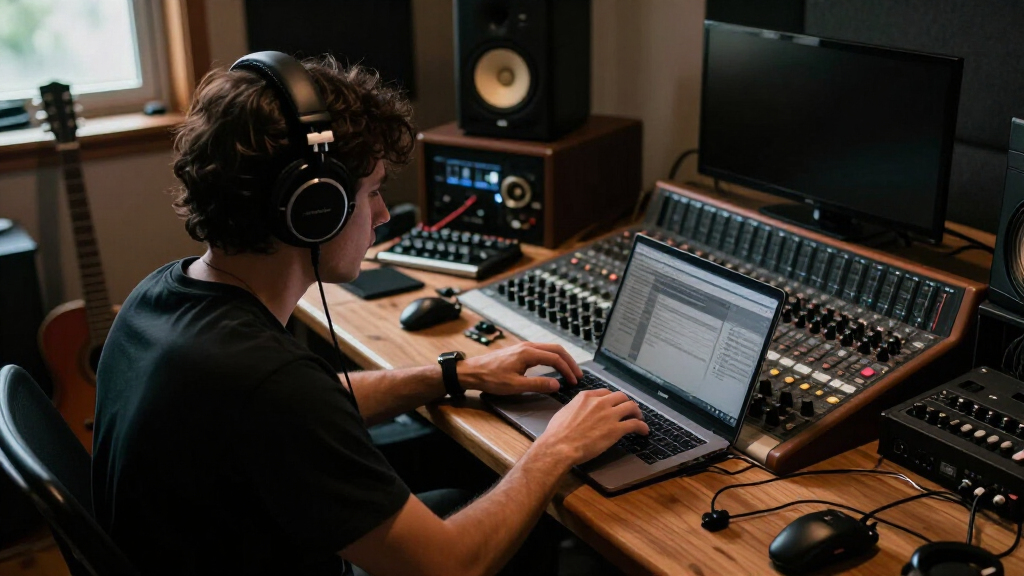

The best studio headphones for music production are the ones that tell you the truth about your mix, and after comparing 14 of the most trusted models, the Beyerdynamic DT 770 Pro (80 Ohm) stands out as the best overall pick for its combination of a wide soundstage, durable build, and long-session comfort. If budget is the deciding factor, the Sony MDR7506 remains the value benchmark — flattering nothing and hiding little for under $100 — while the Sennheiser HD 600 is the premium choice for critical mixing, provided you can work with an open back and a headphone amp. The main tradeoff in this category is isolation versus accuracy: closed-back models like the DT 770 Pro and Sennheiser HD 280 Pro block bleed into your mic but can fatigue your ears faster, whereas open-back models like the HD 600 and DT 990 Pro sound more natural but leak sound and need quiet rooms. There is also an impedance question — high-ohm headphones reward an audio interface with a strong headphone output. Continue reading for the full breakdown of all 14 models, including who each pair suits and who should skip it.

Get audio and creator gear delivered free — and shop member deals
- Fast, free delivery on millions of items
- Access to Prime Big Deal Days deals on October 6–7
- Prime Video, Amazon Music and more included
Complete the kit


Key Takeaways
- Closed-back models dominated this lineup (11 of 14) because most home producers need isolation for tracking; the only open and semi-open picks — the HD 600, DT 990 Pro, and K240 Studio — earn their spots purely on mixing accuracy.
- The $100-and-under tier (MDR7506, ATH-M20x, ATH-M30x, K72) proved you can make professional-sounding mixes on cheap headphones, but every budget model made tradeoffs in comfort, cable design, or low-end honesty.
- The Audio-Technica M-series trio (M20x, M30x, M40x, M50x) forms a clear upgrade ladder — the M40x is the sweet spot for mixing while the M50x’s bass emphasis suits production and tracking more than final mix decisions.
- Impedance was the hidden differentiator: the 250-ohm DT 990 Pro and 300-ohm HD 600 will sound thin and quiet straight out of a laptop, so buyers without a dedicated headphone amp should stay at or below 80 ohms.
- On-ear designs like the Sennheiser HD 25 excel at DJ work and location monitoring, but their clamping force and smaller ear cups make them a poor primary pair for long mixing sessions.
| Beyerdynamic DT 270 Pro Closed-Back Wired Studio Headphones |  | Best for Podcasting and Vocal Tracking | Connection: Wired | Type: Closed-back | Intended Use: Studio recording, podcasting | VIEW LATEST PRICE | See Our Full Breakdown |
| Sennheiser HD 25 Professional On-Ear DJ Headphones |  | Best for Live Monitoring and DJ Work | Type: On-ear DJ headphones | Material: Lightweight aluminium | Cable: Detachable, single-sided | VIEW LATEST PRICE | See Our Full Breakdown |
| Sony MDR7506 Professional Large Diaphragm Headphones |  | Best Budget All-Rounder | Driver Size: 40 mm | Magnet Type: Neodymium | Frequency Response: 10 Hz to 20 kHz | VIEW LATEST PRICE | See Our Full Breakdown |
| AKG Pro Audio K72 Over-Ear Closed-Back Studio Headphones |  | Best Entry-Level Value | Driver Size: 40 mm | Type: Closed-back over-ear | Headband: Self-adjusting | VIEW LATEST PRICE | See Our Full Breakdown |
| AKG K240 Studio Semi-Open Studio Headphones | 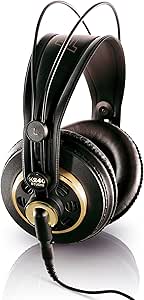 | Best for Mixing Clarity Under $200 | Design: Semi-open, over-ear | Transducer Size: 30 mm XXL | Diaphragm: Varimotion | VIEW LATEST PRICE | See Our Full Breakdown |
| Audio-Technica ATH-M20x Professional Studio Monitor Headphones, Black |  | Best Budget Entry Point | Driver Size: 40 mm | Design: Closed-back, circumaural | Cable Exit: Single side | VIEW LATEST PRICE | See Our Full Breakdown |
| Audio-Technica ATH-M30x Professional Studio Monitor Headphones, Black |  | Best Step-Up Value | Driver Size: 40 mm | Magnet Type: Rare earth | Voice Coils: Copper-clad aluminum wire | VIEW LATEST PRICE | See Our Full Breakdown |
| HD 480 PRO Professional Closed-Back Studio Headphones, Black | 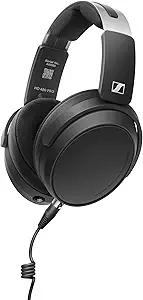 | Best All-Day Comfort Pick | Brand: Sennheiser | Model Number: 700499 | Design: Closed-back studio headphones | VIEW LATEST PRICE | See Our Full Breakdown |
| Sennheiser HD 280 Pro Headphones, Black |  | Best for Tracking and Isolation | Type: Closed-back dynamic headphones | Sound Attenuation: Up to 32 dB passive | Cord Length: 9.8 feet, coiled | VIEW LATEST PRICE | See Our Full Breakdown |
| Sennheiser HD 600 Audiophile Open-Back Dynamic Wired Headphones |  | Best Premium Mixing Reference | Design: Open-back dynamic | Magnet Type: Neodymium ferrous | Cable: Detachable, Kevlar-reinforced oxygen-free copper | VIEW LATEST PRICE | See Our Full Breakdown |
| Beyerdynamic DT 770 PRO 80 Ohm Over-Ear Studio Headphones |  | Best for Tracking and Vocal Recording | Impedance: 80 Ohm | Design: Over-Ear, Closed-Back | Cable: 3m straight cable | VIEW LATEST PRICE | See Our Full Breakdown |
| Audio-Technica ATH-M40x Professional Studio Monitor Headphones, Black |  | Best Value Pick | Driver Size: 40 mm | Design: Circumaural, closed-back | Swiveling Earcups: 90 degrees | VIEW LATEST PRICE | See Our Full Breakdown |
| Audio-Technica ATH-M50X Professional Studio Monitor Headphones, Black |  | Best All-Rounder | Driver Size: 45 mm | Design: Circumaural, closed-back | Swiveling Earcups: Yes | VIEW LATEST PRICE | See Our Full Breakdown |
| beyerdynamic DT 990 Pro (250 Ohm), Open-Back Studio Headphones, Black |  | Best for Mixing and Mastering | Impedance: 250 Ohm | Design: Over-Ear, Open-Back | Frequency Response: 5 – 35,000 Hz | VIEW LATEST PRICE | See Our Full Breakdown |
| studio headphones for music production | Design | Color | Connectivity |
|---|---|---|---|
| Beyerdynamic DT 270 Pro Closed | — | Black | — |
| Sennheiser HD 25 Professional | — | Black | — |
| Sony MDR7506 Professional Larg | Closed ear | — | Wired |
| AKG Pro Audio K72 Over-Ear Clo | — | Black | — |
| AKG K240 Studio Semi-Open Stud | Semi-open, over-ear | — | Stereo 1/8-inch connector with screw-on 1/4-inch adapter |
| Audio-Technica ATH-M20x Profes | Closed-back, circumaural | Black | Wired |
| Audio-Technica ATH-M30x Profes | Closed-back, circumaural | — | — |
| HD 480 PRO Professional Closed | Closed-back studio headphones | Black | Wired |
| Sennheiser HD 280 Pro Headphon | Ergonomic, collapsible | Black | Wired |
| Sennheiser HD 600 Audiophile O | Open-back dynamic | — | Wired (benefits from a headphone amp) |
| Beyerdynamic DT 770 PRO 80 Ohm | Over-Ear, Closed-Back | Gray | — |
| Audio-Technica ATH-M40x Profes | Circumaural, closed-back | — | Wired |
| Audio-Technica ATH-M50X Profes | Circumaural, closed-back | Black | — |
| beyerdynamic DT 990 Pro | Over-Ear, Open-Back | — | — |
More Details on Our Top Picks
Beyerdynamic DT 270 Pro Closed-Back Wired Studio Headphones
When I compare closed-back options for recording duties, the DT 270 Pro stands out for one reason above all: leakage control. Vocals and spoken-word sessions demand headphones that keep the backing track out of the microphone, and this model’s closed design does that job more reliably than the semi-open AKG K240 Studio, which I’d steer away from for tracking. The soft ear pads and light frame mean long podcast or voiceover sessions won’t turn into a comfort battle, something the on-ear Sennheiser HD 25 struggles with over time. The 3-meter cable reaches from interface to chair without adapters or extensions. The tradeoff is that this is a workhorse, not an all-rounder — its tuning prioritizes isolation and utility over the refined detail you’d want for final mixing.
Pros:- Excellent sound isolation keeps click tracks and backing audio out of live microphones
- Soft ear pads and lightweight build suit multi-hour sessions
- 3-meter cable comfortably reaches audio interfaces and laptop setups
- Closed-back design purpose-built for home recording workflows
Cons:- Wired-only connection limits mobility around a studio space
- Sound character is functional rather than inspiring for casual listening or mix referencing
Best for: Podcasters and home recordists who need tight isolation while tracking vocals or instruments
Not ideal for: Producers looking for one headphone to handle both tracking and critical mixing — the tuning is more utilitarian than analytical
- Connection:Wired
- Type:Closed-back
- Intended Use:Studio recording, podcasting
- Color:Black
- Cable Length:3 meters
- Isolation:Closed-back design minimizes sound leakage
Our verdict“Buy this if tracking and podcasting are your priority and you can leave critical mixing to another pair.”
Sennheiser HD 25 Professional On-Ear DJ Headphones
The HD 25 occupies a niche none of the other headphones here really touch: loud, punishing environments. Its high sensitivity and ability to shrug off high sound pressure levels make it the pick for cueing tracks in a booth or monitoring a live set — scenarios where the Sony MDR7506 would survive but never feel as purpose-built. The detachable single-sided cable is a genuinely practical advantage: when it fails, you replace a cable, not the headphones, unlike the MDR7506’s fixed cord. Compared with the over-ear Beyerdynamic DT 270 Pro, the on-ear fit trades isolation and long-session comfort for speed — you can slap one cup on your ear mid-set and hear everything you need. That same on-ear pressure is the honest downside: for extended studio sessions, fatigue creeps in.
Pros:- Handles very high sound pressure levels without distortion
- Detachable single-sided cable makes field repairs cheap and fast
- Lightweight aluminium build is easy to wear one-ear during live cueing
- High sensitivity delivers strong output from portable and mixer sources
Cons:- On-ear design becomes uncomfortable during extended wear
- No wireless option, which limits convenience for casual or mobile use
Best for: DJs and live sound engineers who need punchy, loud-capable monitoring in high-noise environments
Not ideal for: Producers planning long mixing sessions — the on-ear clamp causes fatigue that over-ear designs avoid
- Type:On-ear DJ headphones
- Material:Lightweight aluminium
- Cable:Detachable, single-sided
- Sensitivity:High
- Color:Black
- Intended Use:Professional audio and DJ monitoring
Our verdict“This makes the most sense for live and DJ work; studio-only producers should choose an over-ear alternative.”
Sony MDR7506 Professional Large Diaphragm Headphones
If one pair has to cover tracking, editing, and rough mixes on a tight budget, the MDR7506 is the answer I keep coming back to. Its 40mm neodymium drivers and 10 Hz–20 kHz response deliver a detailed, forward sound that punches well above its price — a step up in clarity from the cheaper AKG K72, while costing far less than an ATH-M50X. The foldable frame and 9.8-foot cord with a gold-plated plug and 1/4-inch adapter make it genuinely portable and interface-ready out of the box. The tradeoff against pricier closed-backs like the DT 770 PRO is refinement: the MDR7506’s slightly elevated highs can fatigue over long critical-listening stretches, and the non-detachable cord means any cable damage eventually kills the pair.
Pros:- Detailed, punchy sound that reveals mixing problems at a low price
- Foldable design makes it the most travel-friendly option in this batch
- Long 9.8-ft cord with gold-plated plug and 1/4-inch adapter included
- Closed-ear design provides decent isolation for tracking
Cons:- Non-detachable cord — damage to the cable means replacing the headphones
- Bright treble tuning can cause listening fatigue over long sessions
Best for: Beginner producers and home studio owners who want professional sound without premium pricing
Not ideal for: Audiophiles seeking a refined, fatigue-free signature for long mastering sessions — the bright treble and fixed cable fall short there
- Driver Size:40 mm
- Magnet Type:Neodymium
- Frequency Response:10 Hz to 20 kHz
- Design:Closed ear
- Cord Length:9.8 ft
- Connectivity:Wired
- Foldable:Yes
- Included Accessories:1/4-inch adapter
Our verdict“The smartest first studio headphone: capable across tracking and editing, provided you accept a fixed cord and a bright character.”
AKG Pro Audio K72 Over-Ear Closed-Back Studio Headphones
For someone buying their first pair of studio headphones, the K72 makes the most sense as the cheapest credible entry point in this roundup. It delivers the essentials — 40mm drivers with honest sound, a self-adjusting headband, and closed-back isolation — at a price noticeably below the Sony MDR7506. The honest comparison: where the MDR7506 offers sharper detail and a foldable frame, the K72 counters with arguably better long-session comfort thanks to its self-adjusting suspension, and it works happily straight out of a phone or laptop without an amp. The build is where the savings show. The plastics feel lighter and less durable than Sony’s, and there’s no detachable cable or folding hinge — corners cut to hit the price. For learning to mix, though, its relatively neutral tuning teaches better habits than consumer headphones ever will.
Pros:- Honest, relatively neutral tuning at an entry-level price
- Self-adjusting headband and light weight excel in long sessions
- Runs easily from phones and laptops without an amplifier
- Closed-back design suitable for basic tracking
Cons:- Build quality feels less durable than similarly priced rivals like the Sony MDR7506
- No detachable cable, folding mechanism, or premium features
Best for: First-time producers on a strict budget who need neutral closed-back monitoring for learning the basics
Not ideal for: Working producers who need durable daily drivers — the lightweight build won’t survive years of studio abuse
- Driver Size:40 mm
- Type:Closed-back over-ear
- Headband:Self-adjusting
- Plug Type:1/8-inch steel plug
- Adapter Included:1/4-inch steel screw-on adapter
- Color:Black
- Intended Use:Studio mixing, tracking, portable devices
Our verdict“The best low-cost way into studio monitoring, as long as you treat it gently and eventually graduate upward.”
AKG K240 Studio Semi-Open Studio Headphones
Mixing rewards a more open window into the music than tracking does, and that’s exactly what the K240 Studio provides. Its semi-open design and Varimotion 30mm transducers create a wider, more natural soundstage than any closed-back in this batch — the Sony MDR7506 or Beyerdynamic DT 270 Pro sound boxier and more in-your-head by comparison. For judging reverb tails, panning, and low-end balance, that openness translates directly into better mixing decisions. The tradeoff is structural: because the cups leak sound both ways, this pair is unusable for recording vocals or tracking acoustic instruments, and it won’t mask a noisy room. It also needs careful cable handling — the connection points are its known weak spot. Compared with the fully open HD 600, the K240 gives up some refinement but costs a fraction of the price.
Pros:- Open, natural soundstage that makes mixing judgments easier than closed-back rivals
- Varimotion transducers deliver wide dynamic range, solid bass, and clear highs
- Self-adjusting headband stays comfortable through long sessions
- Versatile connectivity with 1/8-inch plug, screw-on 1/4-inch adapter, and long 3m cable
Cons:- Semi-open design leaks sound, ruling it out for tracking and loud environments
- Cable connection points require careful handling to avoid damage
Best for: Home producers who mix in a quiet room and want an open, honest soundstage without audiophile pricing
Not ideal for: Anyone tracking vocals or working in a noisy space — the semi-open cups leak sound in and out
- Design:Semi-open, over-ear
- Transducer Size:30 mm XXL
- Diaphragm:Varimotion
- Connectivity:Stereo 1/8-inch connector with screw-on 1/4-inch adapter
- Cable Length:3 meters (9.9 feet)
- Headband:Self-adjusting
- Build:Durable, professional-grade
- Intended Use:Studio mixing, mastering, critical listening
Our verdict“A dedicated mixing headphone for quiet rooms — pair it with a closed-back set for tracking and you have a complete budget workflow.”
Audio-Technica ATH-M20x Professional Studio Monitor Headphones, Black
The ATH-M20x earns its spot as the cheapest credible way into closed-back monitoring. For the price, it delivers the things that actually matter when tracking: a proper circumaural seal that keeps click tracks and guide vocals from bleeding into your mic, and a single-side cable exit that stays out of your way while playing. Compared to its sibling the ATH-M30x, the M20x gives up some mid-range detail and the foldable hinge, which is why it sits lower in the lineup. The bass response also runs leaner than something like the Sony MDR7506, so low-end-heavy mixes can deceive you here.
This pick makes the most sense for someone building a first home studio on a tight budget, or producers who need a beater pair for rough tracking. Just know that the plastic build won’t survive years of daily abuse, and eventually you’ll want to upgrade for critical mixing decisions.
Pros:- Genuine studio-grade sound isolation at an entry-level price
- Circumaural fit that stays comfortable during tracking sessions
- Single-side cable exit keeps the cord from tangling with instruments
- Flat-enough tuning to learn the basics of mixing
Cons:- Bass response is noticeably leaner than higher-end models like the M50x
- All-plastic build feels fragile for daily professional use
- Non-detachable, non-foldable design limits portability and lifespan
Best for: Beginners and home recordists who need reliable sound isolation for tracking without spending much
Not ideal for: Producers mixing bass-heavy genres — the lean low end and limited detail make critical mix decisions unreliable
- Driver Size:40 mm
- Design:Closed-back, circumaural
- Cable Exit:Single side
- Color:Black
- Intended Use:Studio tracking and mixing
- Connectivity:Wired
Our verdict“If you need closed-back isolation for the least money possible while you learn, this is the pair to start with — and to eventually outgrow.”
Audio-Technica ATH-M30x Professional Studio Monitor Headphones, Black
Sitting one rung above the ATH-M20x, the M30x is where Audio-Technica’s studio line starts feeling like a long-term tool rather than a starter pair. The upgrade you’re paying for is real: stronger mid-range clarity that lets you hear vocal and guitar detail during mixing, a folding hinge for transport, and rare-earth magnets with copper-clad aluminum voice coils that tighten up transient response. Compared to the Sony MDR7506, the M30x offers a more modern tuning with less aggressive treble, though it lacks the Sony’s decades-long reputation for ruggedness.
The tradeoff against its bigger brother, the M40x, is the fixed cable — if the cord breaks, the headphones are done. Clamping force is also on the firm side, so marathon sessions can get warm. Still, for the price, this model hits a sweet spot between the M20x’s basics and the M40x’s refinements.
Pros:- Detailed mid-range performance that exposes vocal and instrument problems
- Tight earcup seal for solid passive isolation while tracking
- Foldable, collapsible design for gigs and field recording
- Two-year warranty backs the durable build
Cons:- Fixed, non-detachable cable — a broken cord ends the headphone’s life
- Firm clamping force becomes uncomfortable over long sessions
- Tuning is strictly utilitarian; not enjoyable for casual music listening
Best for: Home studio owners who want noticeably better mid-range detail than entry-level pairs without jumping to the M40x price point
Not ideal for: Engineers who work 6+ hour sessions daily — the firm clamp and fixed cable become real liabilities
- Driver Size:40 mm
- Magnet Type:Rare earth
- Voice Coils:Copper-clad aluminum wire
- Design:Closed-back, circumaural
- Cable Exit:Single side
- Portability:Collapsible / foldable
- Warranty:2 years
Our verdict“The M30x is the smart middle step for producers who’ve outgrown budget pairs but don’t need the M40x’s detachable cable yet.”
HD 480 PRO Professional Closed-Back Studio Headphones, Black
The HD 480 PRO is Sennheiser’s modern answer to producers whose sessions stretch across an entire workday. Where the HD 280 Pro prioritizes raw isolation, this model pivots toward ergonomic comfort and a full-spectrum, honest tuning — the kind of balanced response you can trust when bouncing between tracking and mixing without swapping headphones. The bundled 3-meter coiled cable, protective case, and spare recording ear pads add genuine value; swappable pads alone extend the usable lifespan well past cheaper rivals like the ATH-M20x.
The honest caveat is transparency: Sennheiser doesn’t publish a noise attenuation figure here, so if maximum isolation for loud tracking rooms is your priority, the HD 280 Pro’s rated 32 dB is the safer bet. It’s also strictly wired, and the coiled cable, while studio-friendly, drags if you move around. This option stands out for comfort-first engineers who still want a defensible mix reference.
Pros:- Accurate, full-spectrum tuning suitable for both tracking and mixing
- Ergonomic design built explicitly for all-day wear
- Includes protective case, coiled cable, and spare ear pads
- Versatile enough to double for mobile and desktop listening
Cons:- No published noise-isolation rating, unlike the HD 280 Pro
- Wired only — no wireless option at this price
- Coiled 3-meter cable can feel heavy for mobile use
Best for: Producers and engineers logging long daily sessions who need comfort plus a trustworthy full-spectrum reference
Not ideal for: Trackers in loud rooms or drummers who need maximum verified isolation — the unrated attenuation makes the HD 280 Pro a safer choice
- Brand:Sennheiser
- Model Number:700499
- Design:Closed-back studio headphones
- Included Accessories:3-meter coiled cable, protective case, recording ear pads
- Intended Use:Studio mixing, monitoring, mobile use
- Warranty:24 months
- Connectivity:Wired
- Color:Black
Our verdict“Buy this if your sessions are measured in hours, not minutes, and comfort matters as much as the mix reference itself.”
Sennheiser HD 280 Pro Headphones, Black
When the job is keeping bleed out of the microphone, the HD 280 Pro is still the benchmark. Its rated 32 dB of passive attenuation is the strongest isolation figure in this entire lineup — noticeably better than the ATH-M30x’s seal and far ahead of the unrated HD 480 PRO. That makes it the pair to hand drummers, put on vocalists beside a blaring click, or wear in untreated rooms. What keeps it ranked this high, though, is longevity: replaceable ear pads, headband padding, and cable mean a broken part is a $15 fix, not a replacement — a durability philosophy Audio-Technica’s fixed-cable models abandon entirely.
The tradeoff is tuning. The HD 280 Pro leans analytical rather than enjoyable, so it’s less pleasant for casual listening than the M30x, and the coiled 9.8-foot cord, while studio-appropriate, will snag on everything outside the booth. It’s a tool, not an all-rounder.
Pros:- Industry-standard 32 dB passive noise attenuation for tracking
- Fully replaceable ear pads, headband padding, and cable extend lifespan
- Lightweight, ergonomic fit comfortable through long sessions
- Collapsible design with coiled 9.8-foot cord built for studio reach
Cons:- Analytical, dry tuning offers little enjoyment for casual listening
- Coiled cable is unwieldy outside a fixed studio position
- Treble can feel slightly subdued compared to brighter rivals like the MDR7506
Best for: Engineers tracking loud instruments or vocalists who need maximum verified isolation and field-replaceable parts
Not ideal for: Producers wanting one headphone for both studio work and casual listening — the analytical tuning is all business
- Type:Closed-back dynamic headphones
- Sound Attenuation:Up to 32 dB passive
- Cord Length:9.8 feet, coiled
- Design:Ergonomic, collapsible
- Replaceable Parts:Earpads, headband padding, audio cord
- Connectivity:Wired
- Color:Black
Our verdict“If your priority is airtight isolation for tracking plus a headphone you can repair instead of replace, this remains the default choice.”
Sennheiser HD 600 Audiophile Open-Back Dynamic Wired Headphones
The HD 600 plays a different position than everything else here. Its open-back design abandons isolation entirely in exchange for the most natural, spacious sound in this roundup — the reason it remains a trusted final-reference headphone for mixing decades after launch. Compared to closed models like the HD 280 Pro, instruments sit in a realistic soundstage rather than pressed against your ear, which exposes reverb tails, panning decisions, and harshness that closed-backs smear. The detachable Kevlar-reinforced cable and replaceable parts put it in HD 280 Pro territory for longevity, at a much higher level of fidelity.
The tradeoffs are structural. Sound leaks both ways, so it’s useless for tracking vocalists or working in shared spaces — pair it with a closed-back like the DT 770 Pro rather than replacing one. Add the high price and higher impedance, and this is a deliberate second headphone for mixing, not a first for everything.
Pros:- Audiophile-grade clarity and realistic soundstage for mix decisions
- Detachable Kevlar-reinforced oxygen-free copper cable
- Featherweight build with plush pads for multi-hour sessions
- Legendary durability with long-available replacement parts
Cons:- Open-back design leaks sound both directions — unusable for tracking or noisy rooms
- Premium price that’s hard to justify as a single do-everything headphone
- Higher impedance demands a headphone amp or capable audio interface
Best for: Mixing engineers who want a natural open-back reference for final decisions and already own a closed pair for tracking
Not ideal for: Producers in shared or untreated spaces, or anyone tracking vocals — the open-back design leaks sound in and out freely
- Design:Open-back dynamic
- Magnet Type:Neodymium ferrous
- Cable:Detachable, Kevlar-reinforced oxygen-free copper
- Earpiece Cover:Open metal mesh
- Finish:Black and gray
- Connectivity:Wired (benefits from a headphone amp)
- Compatibility:Pairs with Sennheiser HD 500 BAM microphone for gaming
Our verdict“This is the finishing tool for engineers who check final mixes on an open-back — buy it alongside a closed pair, not instead of one.”
Beyerdynamic DT 770 PRO 80 Ohm Over-Ear Studio Headphones
The DT 770 PRO 80 Ohm is the headphone I point vocalists and instrumentalists toward when isolation matters most. Its closed-back design blocks enough bleed that a click track or backing mix stays out of your microphone, something the open-back beyerdynamic DT 990 Pro simply cannot do. Compared with the Sony MDR7506, the velour pads here feel noticeably better across a four-hour session, and the low end is tighter and less hyped. The tradeoff is honest: 80 ohms means a phone or laptop headphone jack will drive them quietly and thin, so an audio interface or headphone amp is effectively mandatory. If your workflow is mostly tracking rather than mixing, that requirement is easy to live with.
Pros:- Excellent passive isolation keeps click tracks and backing mixes out of live microphones
- Velour ear pads stay comfortable through multi-hour tracking sessions
- Tight, controlled low end that reveals rather than flatters your mix
- German-built construction with easily replaceable parts
Cons:- Needs an audio interface or headphone amp to sound its full potential
- Fixed 3m cable cannot be replaced without modification if it fails
Best for: Home and project studio owners who track vocals or instruments and need strong isolation with long-session comfort
Not ideal for: Producers who mix on laptops or mobile devices without an interface — the 80-ohm impedance starves them of volume and low-end weight
- Impedance:80 Ohm
- Design:Over-Ear, Closed-Back
- Cable:3m straight cable
- Adapter:1/4-inch adapter
- Ear Pads:Velour
- Color:Gray
- Made in:Germany
Our verdict“If recording live sources is the core of your workflow and you own an interface, this is the tracking headphone to beat.”
Audio-Technica ATH-M40x Professional Studio Monitor Headphones, Black
The ATH-M40x is the smart-money choice in this lineup because it delivers a genuinely flat, honest tuning for less than its bigger sibling. Compared with the ATH-M50X, the M40x actually flatters your mixes less — the 50X adds bass weight that sounds exciting but can trick you into under-mixing low end, while the M40x tells you closer to the truth. It also undercuts the Beyerdynamic DT 770 PRO on price while adding detachable cables in both coiled and straight versions, a practical advantage if you work in more than one space. The compromises are real: clamp force runs firm, there’s no active noise cancellation, and the plastic build feels more utilitarian than premium. For a first serious studio headphone, that’s a fair exchange.
Pros:- Flatter, more neutral tuning than most headphones at this price
- Detachable cables included in both coiled and straight versions
- 90-degree swiveling earcups make one-ear cueing easy
- Undercuts pricier monitors while keeping pro-grade accuracy
Cons:- Firm clamp force can become uncomfortable during long sessions
- Bulky design with no active noise cancellation for noisy rooms
Best for: Budget-conscious producers and students who want accurate reference sound without paying flagship prices
Not ideal for: Anyone wanting a single pair for studio work plus casual or travel listening — the bulky frame and wired-only design make it a desk-bound tool
- Driver Size:40 mm
- Design:Circumaural, closed-back
- Swiveling Earcups:90 degrees
- Cable:Detachable; coiled and straight cables included
- Material:Pro-grade ear pads and headband
- Connectivity:Wired
Our verdict“The most accuracy per dollar in this roundup — buy it if you want honest monitoring on a tight budget.”
Audio-Technica ATH-M50X Professional Studio Monitor Headphones, Black
The ATH-M50X earns its place as the do-everything pick because it balances accuracy, isolation, and durability better than anything else here. Its 45mm drivers deliver the clarity that made it a studio standard, and unlike the beyerdynamic DT 990 Pro, it works happily plugged straight into a laptop or interface with no amp required. The flip side of its popularity is tuning that leans slightly bass-forward — flattering for production and cue mixes, but a touch colored compared with the flatter ATH-M40x. If your primary job is final mix translation, the M40x is the more honest tool; if you produce, track, and reference on one pair, the M50x covers more ground. Sealing the pads properly against your head matters, since isolation and bass response both depend on fit.
Pros:- Critically acclaimed clarity with deep, controlled bass from 45mm drivers
- Works at full performance straight from a laptop or interface — no amp needed
- Detachable cable and collapsible design suit both studio and travel
- Rugged build that survives daily professional use
Cons:- Slightly bass-emphasized tuning is less neutral than cheaper M40x
- Priced above most closed-back competitors in its class
- Isolation depends on getting a proper seal, which varies by head shape
Best for: Producers who want one dependable pair for tracking, production, and general critical listening without a headphone amp
Not ideal for: Purist mixing engineers who need strictly neutral reference tuning — the elevated low end colors judgment on bass-heavy genres
- Driver Size:45 mm
- Design:Circumaural, closed-back
- Swiveling Earcups:Yes
- Cable:Detachable
- Color:Black
- Series:50
- Warranty:2 years
Our verdict“The safest single purchase in the lineup — versatile, durable, and amp-free, as long as you accept its mildly colored low end.”
beyerdynamic DT 990 Pro (250 Ohm), Open-Back Studio Headphones, Black
When the final mix is on the line, the DT 990 Pro offers what closed-back designs can’t: an open, natural stereo image that places instruments in space the way monitors do. That airy soundstage is why it suits mixing and mastering, where the DT 770 PRO — its closed sibling — feels more confined even while isolating better. The 250-ohm impedance is the defining tradeoff: without a dedicated headphone amplifier, these will sound quiet and lifeless from a phone or laptop jack. Add the open-back leakage, and they’re useless for tracking vocals or working in shared spaces. Compared with the Sennheiser HD 600, the DT 990 Pro costs far less while delivering a brighter, more energetic character — though that treble lift means checking harsh passages on a second reference.
Pros:- Open-back design creates a wide, monitor-like stereo image for mix decisions
- Extended 5 Hz – 35 kHz frequency response reveals detail across the spectrum
- Replaceable velour pads and spring-steel headband built for years of daily use
- Delivers high-end mixing character at a fraction of audiophile open-back prices
Cons:- 250-ohm impedance demands a headphone amp for proper volume and dynamics
- Sound leaks in and out freely, ruling out tracking and mobile use
- Bright treble response can exaggerate harshness in some mixes
Best for: Mixing and mastering engineers with a headphone amp who want wide stereo imaging at a mid-range price
Not ideal for: Anyone tracking vocals or working in a shared or noisy room — open backs leak sound both ways and offer no isolation
- Impedance:250 Ohm
- Design:Over-Ear, Open-Back
- Frequency Response:5 – 35,000 Hz
- Cable:3m coiled cable
- Adapter:1/4-inch adapter
- Ear Pads:Velour, replaceable
- Headband:Spring-steel
- Made in:Germany
Our verdict“The mixing-and-mastering specialist in this roundup — buy it with an amp, and keep a closed pair like the DT 770 for tracking.”
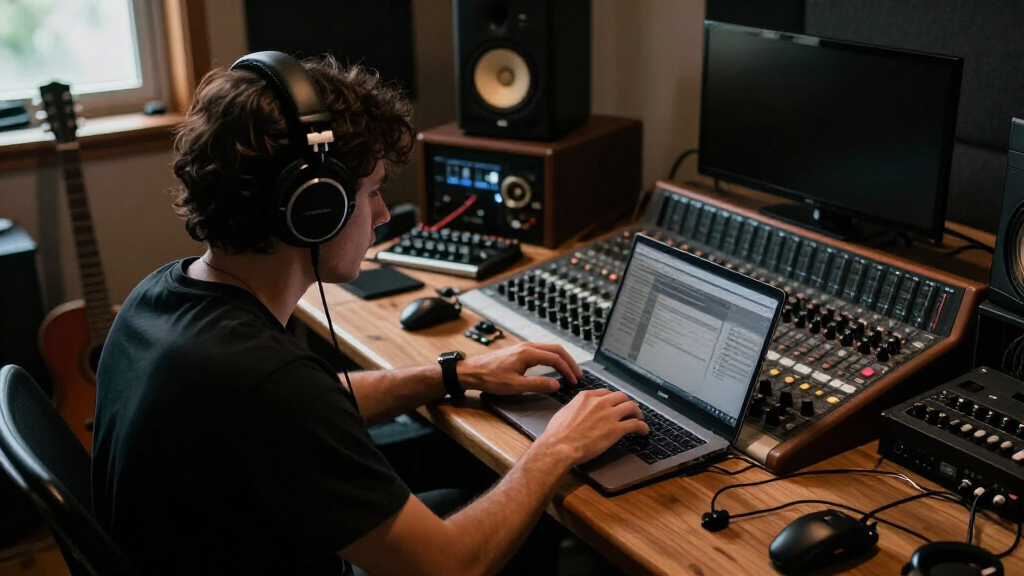
How We Picked
I evaluated each pair against what actually matters in a production workflow: frequency honesty (do the headphones flatter the mix or reveal it), isolation (can you track vocals without bleed), comfort over long sessions, build and part replaceability, and value relative to price. Accuracy carried the most weight because a mix that only sounds good on your headphones is a failed mix — models with exaggerated low end or scooped mids ranked lower for mixing even when they excelled at tracking. I also factored in impedance and drivability, since a technically superior 250-ohm headphone that underperforms on a basic interface is a worse real-world buy than a modest 32-ohm model it can power properly.
The ranking order reflects versatility: picks that handle tracking, mixing, and everyday listening well sit higher, while single-purpose models (the HD 25 for DJ booths, the HD 600 for mixing-only rooms) are ranked for the niche they serve rather than dismissed. Price tiers were compared within themselves first — the $60 ATH-M20x was judged against the MDR7506, not the HD 600 — so the list rewards overperformers at every budget rather than simply ordering by cost.
| studio headphones for music production | Color | Connectivity |
|---|---|---|
| Beyerdynamic DT 270 Pro Closed | Black | — |
| Sennheiser HD 25 Professional | Black | — |
| Sony MDR7506 Professional Larg | — | Wired |
| AKG Pro Audio K72 Over-Ear Clo | Black | — |
| AKG K240 Studio Semi-Open Stud | — | Stereo 1/8-inch connector with screw-on 1/4-inch adapter |
| Audio-Technica ATH-M20x Profes | Black | Wired |
| Audio-Technica ATH-M30x Profes | — | — |
| HD 480 PRO Professional Closed | Black | Wired |
| Sennheiser HD 280 Pro Headphon | Black | Wired |
| Sennheiser HD 600 Audiophile O | — | Wired (benefits from a headphone amp) |
| Beyerdynamic DT 770 PRO 80 Ohm | Gray | — |
| Audio-Technica ATH-M40x Profes | — | Wired |
| Audio-Technica ATH-M50X Profes | Black | — |
| beyerdynamic DT 990 Pro | — | — |
Factors to Consider When Choosing Studio Headphones For Music Production
Before locking in a pick, it helps to understand the bigger picture — how headphones fit into your signal chain, why the closed-versus-open debate never goes away, and where buyers most often spend money on the wrong thing. These are the factors I would weigh before spending anything from $60 to $500 on studio headphones.Closed-Back vs. Open-Back: The Decision That Shapes Everything Else
Closed-back headphones seal the ear cup, which gives you isolation for tracking and keeps click tracks and guide vocals from bleeding into your microphone — this is why they dominate professional tracking rooms. The cost is a smaller, more “in-your-head” soundstage and pressure buildup that tires some listeners during six-hour sessions. Open-back headphones do the opposite: sound escapes freely, the presentation feels speaker-like, and mixing decisions translate better to real-world playback — but they leak audio both ways and are useless next to a live microphone. The most common mistake I see is beginners buying one open-back pair as their only headphones, then wondering why their vocal takes have faint click track embedded in them. If you can only own one pair, closed-back is the safer default; if you can own two, an inexpensive closed pair for tracking plus an open pair for mixing is the classic professional setup. Semi-open models like the K240 Studio split the difference but compromise both ways.
Impedance and What Your Interface Can Actually Drive
Impedance, measured in ohms, determines how much power your headphones need to reach a healthy listening volume. Low-impedance models (under 60 ohms) run happily from phones, laptops, and budget interfaces, while high-impedance models like the 250-ohm DT 990 Pro or 300-ohm HD 600 need a dedicated headphone amplifier to deliver their full bass weight and dynamics. Under-powering a high-impedance headphone doesn’t just make it quiet — it thins out the low end and can lead you to EQ problems that don’t exist. Before buying, check the headphone output specs of your interface; many entry-level interfaces struggle above 80 ohms. If you produce on the move or straight from a laptop, stay in the 32–80 ohm range and spend the difference on acoustic treatment or plugins. A useful rule: match the headphone to your amp, not the spec sheet — a properly driven budget model beats a starved flagship every time.
A Flat Response Is a Tool, Not a Flaw
Consumer headphones are tuned to impress in a 30-second store demo — boosted bass, sparkly highs, recessed mids. Studio headphones invert that goal: a flat or neutral response exposes problems like muddy low-mid buildup or harsh sibilance so you can fix them before your listeners hear them on earbuds. The trap is that honest headphones sound “boring” at first, and many buyers mistake accuracy for poor quality and return them. Give your ears a week of reference listening — play commercial tracks you know intimately through the headphones — before judging them. Also learn each pair’s character: the MDR7506 is slightly forward in the highs, the DT 770 Pro has a lifted bass shelf, the HD 600 is mid-focused. None are perfectly flat, and knowing your headphone’s tilt matters more than chasing perfection, because you compensate automatically once you’ve learned the signature.
Comfort Is a Production Decision, Not a Luxury
Long mixing sessions are where cheap headphones fall apart — literally, in the case of your ears. Clamping force that feels fine in a demo becomes painful at hour three, and on-ear designs like the HD 25 are the worst offenders for extended desk work despite their durability. Weight distribution, ear cup depth (critical if your ears touch drivers), and pad material all affect fatigue, and fatigued ears make bad mixing decisions. Velour pads, found on the Beyerdynamic models, breathe better than pleather in warm rooms but isolate less; pleather seals better but gets sweaty. Replacement pads and cables should also factor into your purchase: models with user-replaceable parts like the DT 770 Pro or HD 25 last a decade, while glued-together budget pairs are effectively disposable. A $60 saving that puts you in discomfort and shortens the headphone’s life is not a saving.
How Many Pairs Do You Actually Need?
The single-pair buyer should optimize for versatility — a closed-back model with honest mids, like the DT 770 Pro or ATH-M40x, covers tracking and mixing acceptably. But serious home studios often benefit from a two-pair strategy: a sub-$100 closed pair for tracking and rough work, plus an open-back pair for final mix decisions, which together still cost less than one flagship “do-it-all” model. A third reference point many producers skip is the humble earbud or cheap Bluetooth speaker — checking your mix on the systems your audience actually uses catches translation problems studio headphones hide. Don’t fall for the gear-forum idea that you need a $1,500 headphone to mix well; countless professional records were mixed on MDR7506s. Spend on monitoring only after your room, interface, and skills have outgrown what you own.
Warranty, Cable Design, and Long-Term Cost
Studio headphones live hard lives — dropped, coiled, tossed in backpacks — so repairability is a value factor most buyers ignore until something breaks. Coiled cables (HD 25, DT 770 Pro) resist tangles and damage better than long straight cables (MDR7506, K240 Studio), and detachable cables turn a $30 accident into a non-event versus a dead headphone. Beyerdynamic and Sennheiser both sell every wear part for their pro lines — pads, headbands, drivers — which is why decade-old DT 770s are still in daily studio use. Check whether the model you’re eyeing has a fixed or replaceable cable before buying, and budget for one pad replacement per two years of heavy use. A $150 headphone with full parts support is cheaper over ten years than a $90 headphone you replace twice. This long-view math is why several older designs outrank newer, flashier competitors in this lineup.
Frequently Asked Questions
Can I mix professionally on the Sony MDR7506, or do I need something more expensive?
Yes — the MDR7506 has been a studio standard for decades and appears in professional studios worldwide, often as the pair engineers trust most for vocal and midrange work. Its known tilt is a slightly bright top end and lean bass extension below 60 Hz, so the skill is learning that signature and checking low-end decisions on a second system. Where more expensive models earn their price is comfort, soundstage, and bass extension: the DT 770 Pro digs deeper and isolates better for tracking, and the HD 600 presents a more three-dimensional mix image. If your budget stops at $100, the MDR7506 will not hold your mixes back. If you can double it, the upgrade is real but incremental, not transformative.
Which of these headphones work straight out of a laptop or phone without an amp?
Everything at or below 80 ohms drives fine from modest sources — that covers the MDR7506, all four Audio-Technica M-series models, the AKG K72 and K240 Studio, the HD 25, HD 280 Pro, HD 480 Pro, and the 80-ohm DT 770 Pro, though that last one benefits from an interface. The two exceptions to plan around are the 250-ohm DT 990 Pro and 300-ohm HD 600, both of which sound thin, quiet, and bass-shy when under-powered. A dedicated headphone amp or a quality audio interface with a robust headphone output unlocks what those two can do. If you have no intention of buying an amp, simply remove them from your shortlist rather than buying them and being disappointed. Matching power to impedance matters more than price tier.
Is the ATH-M50x worth the extra money over the ATH-M40x?
For music production specifically, the M40x is arguably the better mixing tool because its response is more neutral, while the M50x adds a bass lift and more V-shaped character that flatters playback but can mislead low-end balance decisions. The M50x advantages are real though: detachable cables, swiveling ear cups, and a sturdier feel, which matter if you produce on the move or track frequently. Producers who make beat-heavy music often prefer the M50x because its low-end emphasis suits genre expectations during creation, then check final balance elsewhere. If your primary use is mixing and critical listening at a desk, save the $30–40 and get the M40x. If your headphones double as your daily pair for travel and production, the M50x’s durability features justify the gap.
Why do the HD 600 and DT 990 Pro rank highly if they’re bad for recording vocals?
Because mixing and tracking are different jobs with different requirements, and open-back headphones are unmatched at the mixing half. Their open design produces a natural, speaker-like soundstage where panning, depth, and reverb decisions translate reliably to real speakers — something closed-back cups physically struggle with due to internal reflections. The leakage problem only matters when a live microphone is in the room; for pure mixing, editing, and critical listening, leakage is irrelevant since you’re wearing headphones, not recording them. This is why the classic two-pair studio setup exists: closed for tracking, open for mixing. Treat these models as specialist tools that rank high within their lane rather than general-purpose picks. If you can only buy one pair, choose a closed model and accept its mixing limitations.
Are the cheap options like the AKG K72 or ATH-M20x good enough for a beginner?
Good enough to learn on, yes — both deliver the honest midrange that trains your ears, which matters far more than fidelity at the beginner stage. Their honest weaknesses are comfort over long sessions, weaker build quality, and less refined low-end extension, and their fixed cables are a failure point. The practical difference between a $60 and $150 headphone is smaller than the difference between a $150 and $500 one; diminishing returns kick in hard. A reasonable strategy is starting on a budget pair, learning its character with reference tracks, and upgrading only when you can articulate what’s holding your mixes back. Spending the savings on an interface, room treatment, or training will improve your music more than any headphone under $200.
Conclusion
After comparing all 14 models, the right pick comes down to what your studio actually does. Best overall goes to the Beyerdynamic DT 770 Pro (80 Ohm) — it tracks well, mixes credibly, lasts a decade, and drives from almost any interface, which no other model in this lineup can claim all at once. Best value is the Sony MDR7506, still the most honesty-per-dollar in the category, with the AKG K72 and ATH-M30x as strong alternatives if the MDR7506’s design quirks put you off. Best premium pick is the Sennheiser HD 600 for dedicated mixing rooms with an amp, while the DT 990 Pro (250 Ohm) is the premium choice for producers who want open-back clarity with more low-end energy.
For beginners, the ATH-M20x or K72 gets you working for under $70, and the ATH-M40x is the smart first “serious” pair. Beatmakers and mobile producers should look at the ATH-M50x for its durability and bass-forward character, while the HD 25 remains the pick for DJs and anyone monitoring in loud environments. If you track vocals or acoustic instruments at home, the HD 280 Pro offers the strongest isolation under $150. Whatever you choose, learn your headphone’s signature with reference tracks — that habit, not the price tag, is what makes your mixes translate.
Fall Picks
fall essentials
As an affiliate, we earn on qualifying purchases.