Your headphone impedance affects how your device delivers sound, impacting volume, tone, and overall clarity. Low-impedance headphones (under 50 ohms) need less power, so they can sound loud on smartphones but may distort at high volumes. High-impedance headphones (above 100 ohms) require more power to perform well and often sound better with amplifiers. Understanding impedance helps you get consistent, high-quality sound—keep exploring to see how this all fits your gear.
Key Takeaways
- Headphone impedance affects how much power is needed for optimal volume and sound quality.
- Low-impedance headphones require less power, making them louder and more prone to distortion with portable devices.
- High-impedance headphones need more power; without proper amplification, they sound quieter and less dynamic.
- Mismatched impedance between headphones and audio source can cause volume drops and tonal shifts.
- Proper impedance matching ensures consistent volume, clearer tone, and accurate sound reproduction.
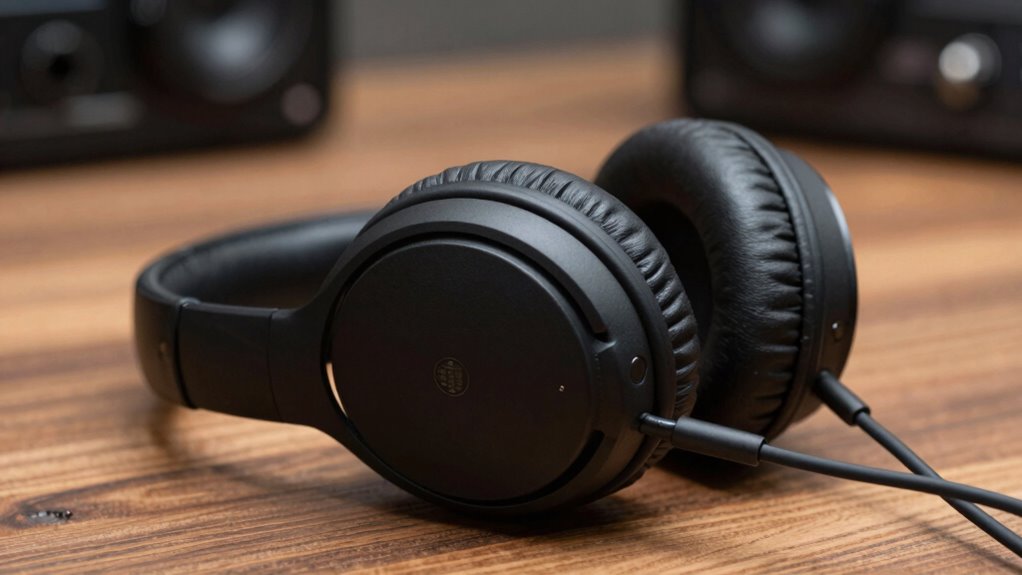
Understanding headphone impedance is essential because it directly affects how your headphones perform with different audio sources. When you connect your headphones to various devices, the impedance level determines how much power they need to produce ideal sound. If the impedance is too high relative to your device’s output, you might notice lower volume levels and less dynamic sound. Conversely, if it’s too low, your headphones could sound distorted or be at risk of damage. This is where audio amplification and impedance matching come into play. Proper impedance matching ensures your device supplies the right amount of power to your headphones, resulting in clearer sound, better tone, and appropriate volume levels.
Headphone impedance affects sound quality, volume, and device compatibility.
When you’re using low-impedance headphones, typically under 50 ohms, they require less power to reach high volumes. That means most smartphones, laptops, or portable music players can comfortably drive these headphones without additional equipment. However, because they draw more current, they’re more susceptible to background noise and distortion if pushed too hard. On the other hand, high-impedance headphones, often above 100 ohms, demand more power from your audio source. Without sufficient audio amplification, they may sound quiet or lack punch. To get the most out of high-impedance models, you might need a dedicated headphone amplifier or a device with a higher output voltage, ensuring impedance matching so your headphones can perform at their best.
Matching your device’s output impedance with your headphones’ impedance is key to maintaining audio fidelity. When you connect headphones with impedance that closely matches your audio source’s output impedance, you optimize power transfer and minimize signal loss. This reduces distortion and preserves the tonal qualities intended by the recording. If the impedance mismatch is significant, you might experience a decrease in volume, a change in tone, or a loss of detail in the sound. Proper impedance matching allows your headphones to deliver their full potential, providing rich bass, clear mids, and detailed highs without unwanted noise or distortion.
In practical terms, understanding impedance helps you select the right equipment. If you’re using a portable device with limited power, low-impedance headphones are a good choice. For studio work or high-fidelity listening, high-impedance headphones paired with a suitable amplifier will give you more control over your sound. Additionally, understanding common impedance ranges can guide your purchase decisions and optimize your listening experience. By paying attention to impedance and ensuring proper audio amplification, you’ll enjoy consistent, high-quality sound that matches your listening environment. Adjusting for impedance mismatches enhances your overall experience, making every note, detail, and tone come through just as the artist intended.
Frequently Asked Questions
How Does Headphone Impedance Affect Battery Life of Portable Devices?
Higher impedance headphones draw less power, helping your portable device conserve battery life, especially if you listen at high volumes. Lower impedance headphones require more power, which increases power consumption and drains your device faster. To maximize battery life, choose headphones with impedance levels compatible with your device. Proper device compatibility guarantees you get the best sound without unnecessary power drain, making your listening experience longer and more enjoyable.
Can High Impedance Headphones Cause Damage to Audio Equipment?
High impedance headphones generally don’t cause damage to audio equipment if you use proper impedance matching techniques. However, if the impedance is too high for your device’s output, it might strain the amp, potentially affecting performance. You might also notice reduced comfort due to longer listening sessions. To avoid issues, verify your equipment matches the impedance of your headphones, optimizing both sound quality and comfort without risking damage.
Do Impedance Differences Impact Wireless Headphone Performance?
Impedance differences do impact wireless headphone performance, especially regarding wireless compatibility and signal strength. Higher impedance headphones may struggle with lower-powered wireless transmitters, causing weaker signals and reduced sound quality. Lower impedance models generally connect more easily and maintain better signal strength across various devices. So, when choosing wireless headphones, consider impedance to guarantee ideal compatibility and reliable performance without sacrificing audio clarity.
What’s the Ideal Impedance for Gaming Versus Music Listening?
For gaming, aim for headphones with 16-32 ohms impedance to guarantee quick impedance matching and compatibility with your device’s output, providing clear sound and low latency. For music listening, choose around 50-100 ohms, which offers better tone control and richer audio quality. Always check headphone compatibility with your device’s output power to optimize performance, whether gaming or enjoying music.
How Does Impedance Relate to Headphone Durability and Longevity?
Think of impedance matching as a sturdy bridge between your headphones and device; when well-matched, it reduces stress on components, extending your headphone’s lifespan. Proper impedance helps prevent overheating and wear, much like a well-built bridge endures traffic. This means your headphones stay durable longer, ensuring they don’t break down prematurely. So, choosing the right impedance is like maintaining a strong bridge—crucial for your headphones’ longevity and continued performance.
Conclusion
Understanding headphone impedance helps you choose the right gear for your sound. Did you know that over 60% of users report noticeable volume and tone differences when swapping headphones with different impedances? Now, next time your audio doesn’t sound quite right, you’ll know it’s all about impedance. By matching your headphones to your audio source, you’ll enjoy clearer, richer sound and avoid potential damage. Make informed choices and elevate your listening experience!