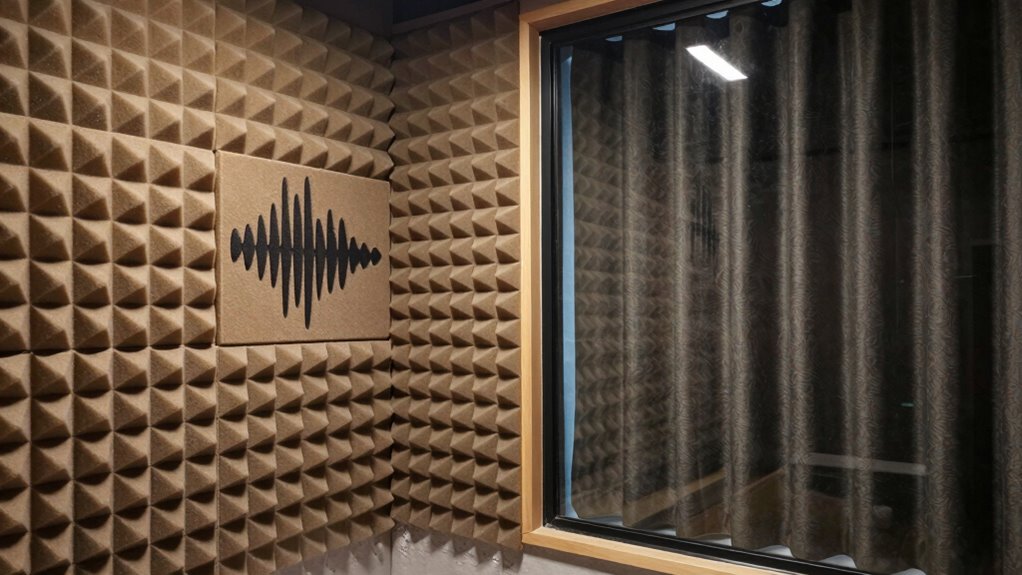
Acoustic treatment and soundproofing serve different purposes: treatment improves the sound quality inside a room by absorbing or scattering reflections, while soundproofing blocks external noise from entering or leaving. Treatment enhances listening or recording environments without major structural changes and is more cost-effective, whereas soundproofing requires more extensive modifications to isolate the space. Knowing these differences helps you choose the right solution for your needs — continue exploring to get even clearer insights.

Get audio and creator gear delivered free — and shop member deals
- Fast, free delivery on millions of items
- Access to Prime Big Deal Days deals on October 6–7
- Prime Video, Amazon Music and more included
Key Takeaways
- Acoustic treatment improves sound quality within a room by controlling echoes and reverberation, while soundproofing blocks external noise from entering or leaving.
- Acoustic solutions involve absorbing and diffusing sound waves; soundproofing uses barriers and mass to prevent sound transmission.
- Acoustic treatment is generally more affordable and less invasive than soundproofing, which may require structural modifications.
- Aesthetic considerations differ: acoustic panels are often discreet or stylish, whereas soundproofing materials can be bulky and visually impactful.
- Understanding the purpose—internal sound quality versus external noise isolation—helps choose the appropriate solution.
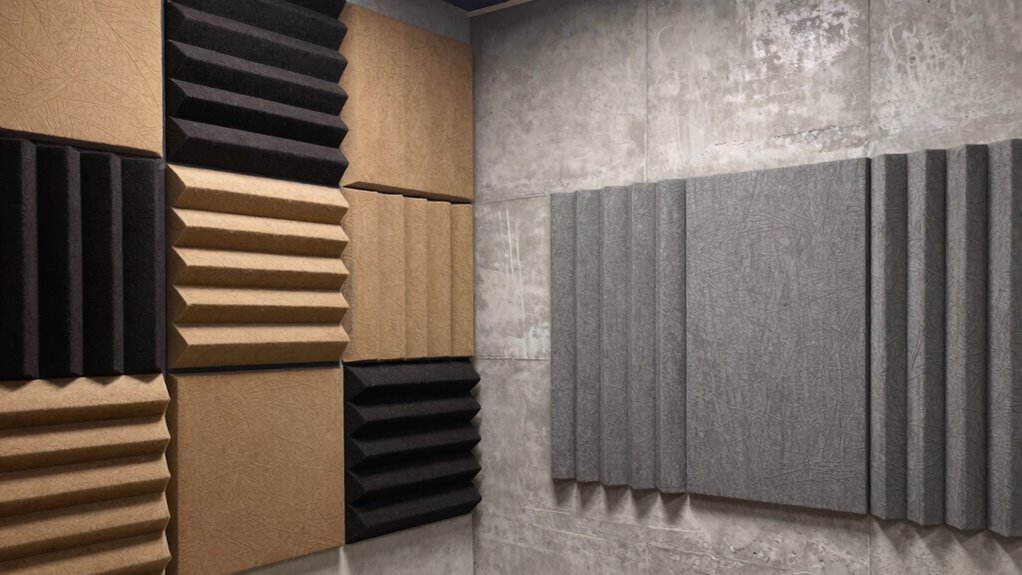
When improving the sound quality in a space, it’s important to understand the difference between acoustic treatment and soundproofing. These terms are often confused, but they serve distinct purposes. Acoustic treatment focuses on enhancing sound within a room by controlling echoes, reverberation, and overall clarity. It involves installing panels, diffusers, or bass traps that absorb or scatter sound waves, making the environment more suitable for listening or recording. Conversely, soundproofing aims to prevent sound from entering or leaving a space, effectively isolating it from external noise or preventing sound leakage. It typically involves sealing gaps, adding mass to walls, or installing specialized barriers that block sound transmission.
Knowing this difference helps you choose the right approach based on your goals. If your priority is to improve audio clarity for music production or podcast recording, acoustic treatment is what you need. It allows you to fine-tune the room’s acoustics without drastically changing its structure. However, if you’re trying to keep noise from neighbors or street sounds out, soundproofing is essential. This distinction also impacts your budget. Acoustic treatment generally has lower installation costs because it involves adding panels or foam that can be easily mounted or positioned. These upgrades are often more flexible and less invasive, making them a cost-effective way to boost audio quality. On the other hand, soundproofing can be more expensive and complex, especially if it requires adding mass or constructing new barriers. It might involve removing drywall, installing soundproof windows, or creating double walls, all of which can increase installation costs and disrupt room aesthetics.
Additionally, understanding the innovative European solutions available for soundproofing can help you find more sustainable and effective options. Room aesthetics should also factor into your decision. Acoustic treatment panels come in various styles, colors, and designs, allowing you to blend them seamlessly into your decor. They can be discreet or visually striking, depending on your preference. Soundproofing solutions tend to be less visually appealing, often involving bulky materials that can alter the room’s look. If maintaining a certain aesthetic is important, you’ll want to weigh the visual impact of these options against their functional benefits. Ultimately, understanding whether you need to improve sound quality within the space or block external noise will help you make smarter choices. By focusing on your specific needs, you can select the most effective solution that balances performance, cost, and aesthetics, ensuring your space sounds just the way you want it.
acoustic treatment panels for recording studio
As an affiliate, we earn on qualifying purchases.
As an affiliate, we earn on qualifying purchases.
Frequently Asked Questions
Can Acoustic Treatment Completely Block Outside Noise?
Acoustic treatment can’t completely block outside noise because it’s designed to improve sound quality inside a space, not act as a sound barrier. If you want to block outside noise, you need soundproofing solutions like sound barriers or mass-loaded barriers. Acoustic treatments, like foam panels, absorb echoes and improve sound clarity but don’t prevent outside noise from entering. For full noise reduction, combine soundproofing with acoustic treatment.
How Much Does Professional Soundproofing Typically Cost?
Professional soundproofing typically costs between $1,000 and $10,000, depending on the space size and the level of soundproofing needed. You can explore budget options that focus on sealing gaps and adding basic insulation, which are more affordable. For more extensive projects, expect higher cost estimates that include professional installation of specialized materials. Always get multiple quotes to find solutions that fit your budget and soundproofing goals.
Is DIY Soundproofing Effective for Home Studios?
Think of DIY soundproofing as building a fortress around your home studio. While it can be effective at reducing some home studio noise, it’s not a magic shield. Your efforts will improve sound isolation, but full professional results require expertise and proper materials. DIY effectiveness depends on your skills and investment, making it a good starting point, but don’t expect perfection without expert help.
Do Acoustic Panels Improve Sound Quality or Reduce Noise?
Acoustic panels improve sound quality by absorbing reflections and reducing echo in your room. They don’t substantially cut down noise from outside sources but create a clearer, more balanced sound inside your space. You’ll notice better clarity in recordings and mixes, making your music or podcasts sound more professional. While they enhance internal acoustics, for noise reduction from external sources, you’ll need dedicated soundproofing solutions.
How Long Does Installation of Soundproofing Materials Usually Take?
The installation of soundproofing materials usually takes anywhere from a few hours to several days, depending on the scope. Your installation timeline includes prepping surfaces, applying materials, and allowing for drying or curing times. For example, materials like sealants or adhesives may require drying, which can add a few hours to a day. Planning ahead guarantees you account for material drying and avoid delays in completing your soundproofing project.
Conclusion
Understanding the difference between acoustic treatment and soundproofing helps you make smarter choices for your space. Did you know that over 60% of homeowners struggle with noisy neighbors, highlighting the importance of proper soundproofing? Remember, acoustic treatment improves sound quality within a room, while soundproofing blocks noise from entering or escaping. By choosing the right solution, you’ll create a more comfortable and professional environment—whether you’re recording, working, or relaxing.
Halloween Picks
halloween
As an affiliate, we earn on qualifying purchases.