
Many producers assume they know how to get good sound, but microphone placement and understanding the frequency spectrum are often overlooked. Small adjustments in mic position can greatly shape your tone, emphasizing intimacy or space, while proper placement helps capture essential frequencies and reduce noise. Knowing how different mics and polar patterns influence sound can make your mixes clearer. Mastering these details sets a strong foundation—keep exploring to reveal even better recordings.

Get audio and creator gear delivered free with Prime
- Fast, free delivery on millions of items
- Prime Video, Amazon Music and more included
- Member-only deals all year
Key Takeaways
- Microphone placement significantly affects tonal quality, proximity, and room noise, often underestimated by producers.
- Different mic types and polar patterns influence sound capture and should be chosen based on recording goals.
- Understanding the frequency spectrum helps shape clarity and balance during recording and mixing.
- Proper EQ and mic positioning work together to minimize muddiness and harshness in the final sound.
- Precise mic placement and frequency awareness are essential foundations often overlooked, impacting overall sound quality.
Many producers assume they’ve got audio fundamentals down pat, but even seasoned professionals often overlook core principles that can make or break a mix. One of these is microphone placement. It’s tempting to settle for the first position, especially if it sounds decent during recording, but the real magic happens when you understand how placement affects your sound. Moving the mic just a few inches can dramatically change the tonal qualities, capturing more warmth or cutting through the mix with clarity. For instance, positioning a microphone closer to the source emphasizes intimacy and reduces room noise, while backing off can create a more natural, spacious sound. You also need to think about the type of microphone and its polar pattern, which influences how it picks up sound from different directions. Proper placement guarantees you’re capturing the desired frequencies and minimizing unwanted bleed or feedback, giving you a cleaner, more controlled recording.
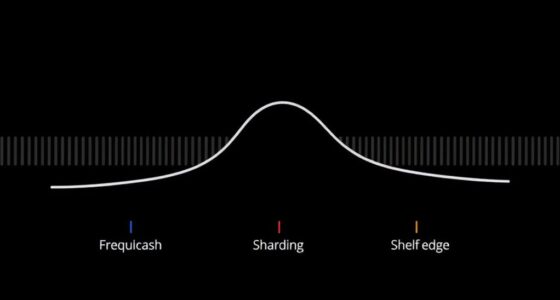
Another critical aspect often taken for granted is how you handle the frequency spectrum. Many producers focus heavily on effects and processing but forget that the foundation lies in understanding where your sound sits within the frequency range. Every instrument and vocal occupies a different part of the spectrum, and knowing how to shape these frequencies helps in creating clarity and balance. If your mix sounds muddy or harsh, it’s likely because certain frequencies are overpowering others. Equalization becomes your best tool here, allowing you to carve out space for each element. Cutting unnecessary low-end from non-bass elements or taming harsh upper mids can make a significant difference. Also, be mindful of how your EQ decisions interact with your microphone placement. For example, if a mic picks up too much high-frequency detail, you might want to reposition it or apply gentle EQ cuts to prevent the mix from becoming shrill. Recognizing how microphone placement influences the captured frequency response can help you make more informed decisions during recording. Additionally, understanding the frequency spectrum allows you to better anticipate how your recordings will respond during mixing and mastering stages. Developing an awareness of frequency masking can further enhance your ability to create clear and balanced mixes, preventing elements from clashing or becoming indistinct.
Understanding how microphone placement and the frequency spectrum work together is essential for crafting professional-sounding recordings. Many producers overlook the importance of precise mic positioning, thinking good gear alone will do the trick. But the way you position your mic influences the frequency response you capture, which ultimately affects how you shape your sound later. Likewise, a thorough grasp of the frequency spectrum helps you make smarter mixing choices, ensuring every element has its place without masking or clashing. Mastering these basics helps you avoid common pitfalls and creates a solid foundation for every project. So, next time you’re setting up or mixing, focus on these core principles—your sound quality will thank you.
As an affiliate, we earn on qualifying purchases.
Frequently Asked Questions
How Does Room Acoustics Affect Audio Quality?
Room acoustics directly impact your audio quality through room reflection and sound treatment. When sound reflects off walls, ceilings, or floors, it can cause echo or reverb, muddying your mix. Proper sound treatment absorbs or diffuses these reflections, creating a clearer, more accurate listening environment. By controlling room reflection, you guarantee your recordings and mixes sound balanced and professional, helping you make better audio decisions.
What’s the Difference Between Analog and Digital Recording?
Analog recording captures sound with warmth and natural character, thanks to its continuous signals and subtle imperfections. Digital recording, on the other hand, offers precision and clarity, translating audio into exact numerical data. You might prefer analog for its warmth and musicality, or digital for its crisp detail and editing flexibility. Understanding these differences helps you choose the right approach depending on your desired sound and project needs.
How Do I Choose the Right Microphone for My Project?
Imagine the perfect sound—now, choose your microphone wisely. You need to take into account microphone types, each suited for different recording environments. Do you want warmth and richness? A condenser might be your answer. For rugged, outdoor recordings, a dynamic mic’s durability is key. Think about the environment and the sound you desire; selecting the right microphone transforms your project from good to unforgettable.
What Are Common Phase Issues and How to Fix Them?
Phase issues happen when multiple microphones capture the same sound with slight timing differences, causing phase alignment problems. These can lead to waveform cancellation, where certain frequencies diminish or vanish entirely. To prevent this, flip the polarity or adjust mic placement to realign waveforms. Always listen critically, and use phase correlation meters to make certain signals are in phase, preventing unwanted phase cancellation and preserving the clarity of your recordings.
How Do I Properly Calibrate My Monitoring System?
Calibrating your monitoring system is like tuning a fine instrument. Start by placing your speakers at ear level and forming an equilateral triangle with your listening position. Use calibration tools like a sound level meter or room correction software to set accurate levels and frequency response. Adjust speaker placement and calibration settings until your system produces a balanced, transparent sound, ensuring your mixes translate perfectly across different listening environments.
Conclusion
While it might seem you’ve got the fundamentals down pat, there’s always a deeper layer waiting to be uncovered. Sometimes, what feels like mastery is just the surface shimmering, hiding nuances worth exploring. Embracing these subtleties can elevate your craft in ways you hadn’t imagined. Keep an open mind and stay curious—what you think you know might just be the beginning of a richer, more refined understanding. After all, true growth often blooms in the shadows of familiarity.
Halloween Picks
halloween
As an affiliate, we earn on qualifying purchases.