

To help your music travel further, focus on accurate metadata like artist name, album, genre, and release date. This information makes it easier for platforms to categorize, recommend, and search for your tracks. Proper metadata also guarantees your rights are clearly credited, which means fair compensation and better licensing opportunities. When your metadata is correct and consistent, your music gains more visibility and control. Keep going to discover how mastering metadata can boost your music’s digital success.

Get audio and creator gear delivered free — and shop member deals
- Fast, free delivery on millions of items
- Access to Prime Big Deal Days deals on October 6–7
- Prime Video, Amazon Music and more included
Key Takeaways
- Accurate artist, album, and genre information improve searchability and visibility across streaming platforms.
- Properly formatted metadata ensures correct crediting for rights holders and songwriters.
- Consistent metadata helps music reach targeted playlists and audiences efficiently.
- Correct licensing details in metadata facilitate licensing, royalty collection, and rights management.
- Well-maintained metadata enhances control over distribution, rights, and revenue tracking.
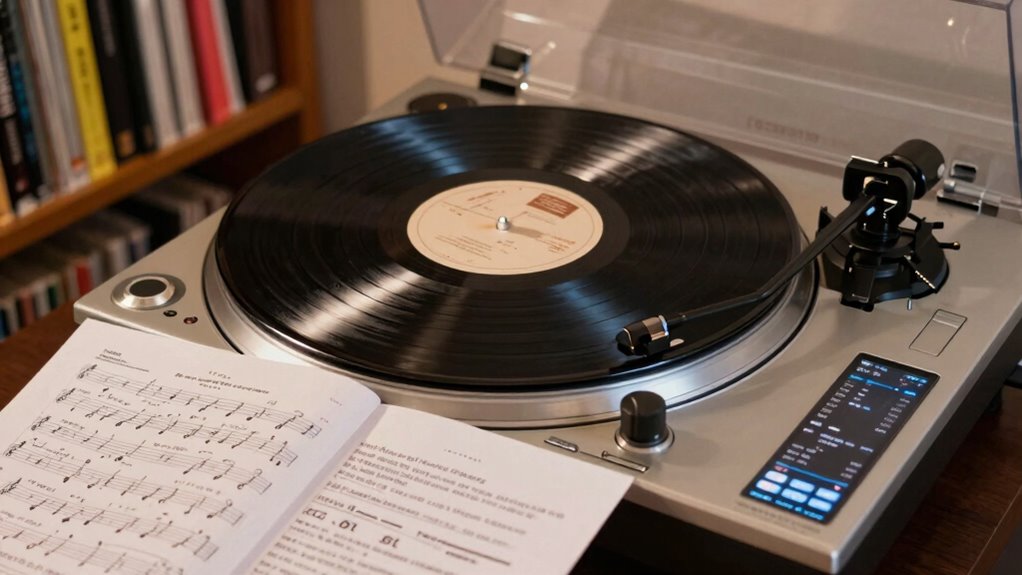
Have you ever wondered what makes it easier to find your favorite songs or assure they’re properly credited? The answer often lies in the metadata attached to each track. Metadata acts as the digital DNA of your music, providing essential information that helps it travel further across platforms, stores, and streaming services. When you upload your music through digital distribution channels, accurate metadata ensures your songs are correctly identified, making it easier for listeners to discover and for rights holders to receive proper credit. Without well-structured metadata, your music can get lost in the shuffle, even if it’s fantastic.
Metadata is the digital DNA that helps your music be discovered, credited, and protected across the digital landscape.
Music licensing relies heavily on metadata to track the usage of your songs. When your tracks are properly labeled with details like songwriter names, publishing rights, and licensing terms, it becomes straightforward for licensing agencies and rights organizations to clear your music for various uses. Proper metadata reduces the risk of disputes over rights and ensures you’re compensated fairly. It also helps you maintain control over where and how your music is licensed, whether for commercials, films, or streaming platforms. Additionally, accurate metadata ensures your music stays compliant with industry standards, facilitating smoother distribution and licensing processes. Understanding the importance of metadata standards can help you ensure your music meets industry requirements and reaches a wider audience.
Digital distribution platforms depend on metadata to categorize and deliver your music properly. When you upload a song, the metadata you input—such as artist name, album title, release date, and genre—acts as the key to getting your music into the right playlists and search results. Well-organized metadata not only boosts your visibility but also guarantees your music reaches the right audience. It also simplifies the process of updating or correcting information down the line, so your audience always gets accurate details. A clear understanding of industry metadata practices can make a significant difference in your music’s digital success. Properly standardized metadata also helps prevent issues related to metadata errors, which can hinder your music’s reach and rights management. Recognizing metadata best practices can further enhance your control over your music’s digital footprint.
Beyond discovery and licensing, metadata enhances your overall control over your music’s digital footprint. It helps affirm that your credits are visible, your royalties are properly allocated, and your music is protected against unauthorized use. The more thorough and accurate your metadata, the better equipped you are to track your music’s performance and revenue streams. Think of metadata as the backbone that supports your music’s journey across the digital landscape, helping it reach farther, be recognized properly, and generate the income you deserve.
In short, mastering the basics of metadata—like correct artist info, rights details, and descriptive tags—empowers you to navigate the complex world of digital distribution and music licensing more confidently. It’s the foundation that keeps your music moving smoothly through the digital ecosystem, securing it gets the attention it deserves and travels further than ever before.
As an affiliate, we earn on qualifying purchases.
Frequently Asked Questions
How Does Metadata Affect Music Licensing and Royalties?
Metadata directly impacts your music licensing and royalty distribution. When your metadata is accurate, licensing organizations can identify your work correctly, ensuring you get paid fairly. Accurate metadata helps prevent missed or delayed royalties by making sure your song information is clear and complete. If your metadata is wrong or incomplete, you risk losing income or facing licensing issues, so always double-check your metadata to support proper royalty distribution.
Can Metadata Be Changed After Music Is Released?
Yes, you can change metadata after your music is released. Metadata editing allows you to update or correct song details, ensuring accurate attribution and royalty distribution. However, you should verify the updated metadata through a thorough verification process to prevent errors or discrepancies. Keep in mind that changing metadata may require notifying streaming platforms or distributors, but it’s essential for maintaining your music’s proper identification and ensuring it reaches the right audience.
What Are the Most Critical Metadata Elements for International Distribution?
You need to focus on critical metadata elements like metadata standards and international identifiers for successful distribution. These guarantee your music complies with global cataloging rules, making it easier to handle rights and payments across borders. Accurate metadata, including ISRC codes and standardized genre tags, helps streaming platforms recognize your work universally. By prioritizing these elements, you enhance your music’s visibility and reach in international markets.
How Do Different Platforms Handle Music Metadata Inconsistencies?
A stitch in time saves nine—especially with metadata inconsistencies. Different platforms handle music metadata differently, often impacting data synchronization. Many follow metadata standards, but variations can cause mismatched info or lost details. To guarantee your music travels smoothly worldwide, double-check your metadata before distribution. Keeping your data consistent across platforms helps maintain accuracy, enhances discoverability, and prevents issues that stem from inconsistent metadata handling.
Are There Legal Requirements for Metadata Accuracy in Music Releases?
Yes, there are legal requirements for metadata accuracy in music releases. You need to guarantee your metadata is correct to avoid legal issues like licensing compliance problems. Metadata errors can lead to licensing disputes, copyright infringement claims, or revenue loss. By providing accurate metadata, you help platforms process royalties properly and stay compliant with licensing laws. This way, you protect your rights and ensure your music reaches audiences smoothly.
Conclusion
Remember, metadata is the key to making your music reach farther. By filling in accurate details and organizing your info, you guarantee your tracks find the right audience. Think of metadata as a map guiding listeners directly to your sound. As the saying goes, “A good beginning makes a good ending.” Keep your metadata precise and complete, and watch your music travel further than you ever imagined.
Halloween Picks
halloween
As an affiliate, we earn on qualifying purchases.