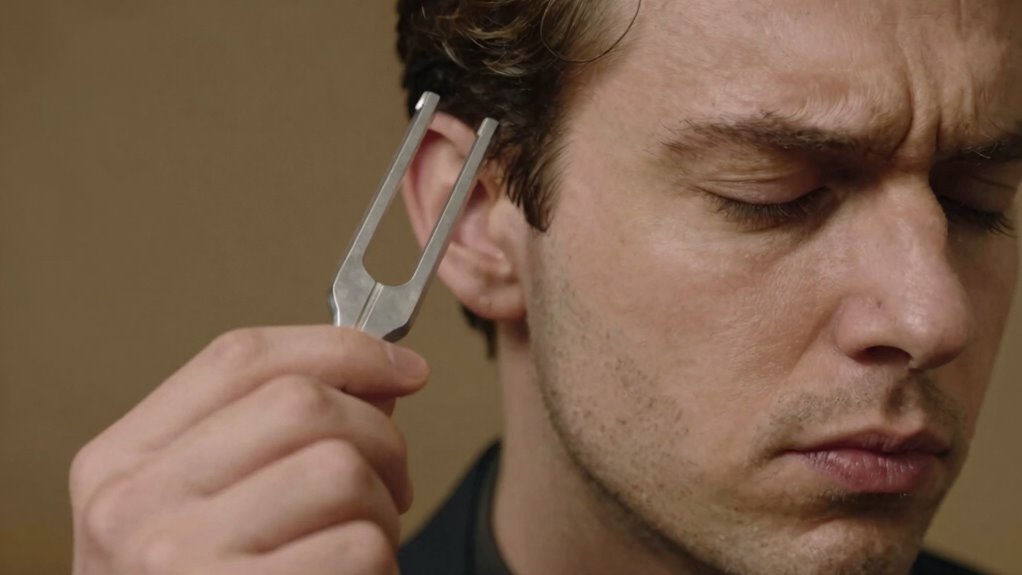
To improve your harmonic awareness, focus on active listening exercises that analyze chord progressions. Start with simple patterns like I-IV-V and gradually explore jazz or modal changes. Sing or play along to reinforce your understanding, and try transcribing chords from recordings. Use backing tracks and different genres for variety. Consistent practice helps you recognize chords instinctively and understand their emotional impact. Keep going, and you’ll discover more ways to deepen your harmonic skills.

Get audio and creator gear delivered free with Prime
- Fast, free delivery on millions of items
- Prime Video, Amazon Music and more included
- Member-only deals all year
Key Takeaways
- Practice actively analyzing chord progressions, starting with simple sequences like I-IV-V and gradually exploring more complex jazz or modal progressions.
- Sing or play along with recordings to internalize harmonic sounds and reinforce recognition of chord functions.
- Transcribe chord progressions from recordings to develop an internal harmonic map and improve listening accuracy.
- Use backing tracks and apps to create varied listening exercises focused on identifying chords and harmonic changes.
- Break down progressions into smaller segments for detailed analysis and focused listening to enhance harmonic understanding.

Developing harmonic awareness is essential for musicians aiming to improve their pitch recognition and overall musicality. One of the most effective ways to do this is through targeted listening drills that focus on understanding chord progressions. When you actively analyze chord progressions, you train your ear to identify changes in harmony more instinctively. These drills help you recognize how chords move from one to another, which is *fundamental* for improvisation, composition, and live performance. To get the most out of these exercises, you should incorporate specific ear training techniques that sharpen your ability to distinguish different chords and harmonic functions. For example, start by listening to simple progressions like I-IV-V and try to internalize how each chord sounds and relates to the key. As you get more comfortable, gradually increase complexity by exploring jazz progressions or modal changes. Recognizing the importance of active listening in harmonic awareness allows you to deepen your understanding beyond passive hearing. A *key* part of this process is focusing on active listening rather than passive hearing. As you listen to a progression, try to identify each chord without immediately referencing a chart or a song. Over time, you’ll develop an internal map of how chords sound within different harmonic contexts. Using ear training techniques such as singing along with the progressions or playing the chords on your instrument helps reinforce your understanding. This active engagement deepens your connection to the harmonic language and improves your ability to recognize similar progressions in unfamiliar music. It’s also helpful to break down progressions into smaller segments to analyze how each chord transitions into the next. Doing this repeatedly trains your ear to anticipate harmonic shifts, which enhances your overall musical intuition. Incorporating listening exercises like transcribing chord progressions from recordings or practicing with backing tracks can significantly boost your harmonic recognition skills. Additionally, consistent practice is key to transferring these skills into real-world playing situations. Consistent practice with listening drills centered around chord progressions also improves your ability to recognize the emotional and stylistic qualities of different harmonic choices. For instance, minor progressions often evoke a different mood than major ones, and understanding these nuances adds depth to your musical ear. Incorporate variety by listening to different genres, focusing on how they use chord progressions uniquely. Keep your ear training techniques dynamic — use apps, backing tracks, or transcriptions to keep your exercises fresh and challenging. This systematic approach to ear training can accelerate your progress and help you internalize harmonic concepts more effectively. Over time, you’ll notice that your ability to identify chords and their functions improves, making your playing more expressive and your improvisations more precise. With dedication to these listening drills, you’ll develop a refined harmonic awareness that elevates your overall musicianship.
ear training chord recognition app
As an affiliate, we earn on qualifying purchases.
As an affiliate, we earn on qualifying purchases.
Frequently Asked Questions
How Long Should I Practice the Listening Drill Daily?
You should practice the listening drill for about 10 to 15 minutes daily. Consistency is key, so try to incorporate it into your daily routine, even if only for a short time. As you become more comfortable, you can gradually increase your practice time. Focus on different musical genres to enhance your harmonic awareness and keep your listening skills sharp. Regular practice will considerably improve your musical ear over time.
Can Beginners Benefit From This Harmonic Awareness Exercise?
Even if you’re a beginner, this harmonic awareness exercise can definitely help you improve your skills. Some might think it’s too advanced, but starting slowly builds confidence and develops your ear over time. Beginner challenges like identifying chords or progressions become easier as you practice regularly. With patience, you’ll notice your listening skills sharpen, making it easier to understand and enjoy music on a deeper level.
What Equipment Is Best for Practicing This Drill?
For practicing this drill, you’ll want to select instruments that produce clear, distinct sounds, like piano, guitar, or a digital keyboard. Keep your acoustic environment quiet and free of distractions to focus fully on harmonic differences. Using headphones can help isolate sounds and improve accuracy. Make sure your equipment is well-tuned, and choose an environment that minimizes background noise for the best listening experience.
How Do I Measure Progress in Harmonic Awareness?
Like a trusty vintage radio, your harmonic awareness grows clearer over time. You measure progress through improved chord recognition and interval identification. Notice how you suddenly catch subtle harmonic shifts or confidently name chords and intervals during practice. Track your accuracy, speed, and consistency. As you become more adept, you’ll find it easier to identify complex progressions and harmonies, showing your ear’s sharpness is steadily increasing — a true musical upgrade.
Are There Alternative Drills for Improving Harmonic Comprehension?
Yes, you can improve harmonic comprehension through alternative drills like chord recognition exercises and interval training. Focus on identifying chords by ear and practicing different intervals daily. These activities sharpen your ear for harmonic structure, making it easier to recognize progress over time. Incorporate these drills into your routine consistently, and you’ll notice your understanding of harmony deepening, ultimately enhancing your overall musical ear and improvisation skills.
Conclusion
By consistently practicing this listening drill, you’ll sharpen your harmonic awareness and reveal a deeper connection to music. Just like a lighthouse guides ships through darkness, your tuned ear will navigate complex harmonies with confidence. Remember, every note you discern brings you closer to mastering the language of music. Keep at it, and soon, you’ll find yourself not just hearing music, but truly understanding its soul—transforming every listening session into a journey of discovery.
Halloween Picks
halloween
As an affiliate, we earn on qualifying purchases.