
TL;DR

Get audio and creator gear delivered free with Prime
- Fast, free delivery on millions of items
- Prime Video, Amazon Music and more included
- Member-only deals all year
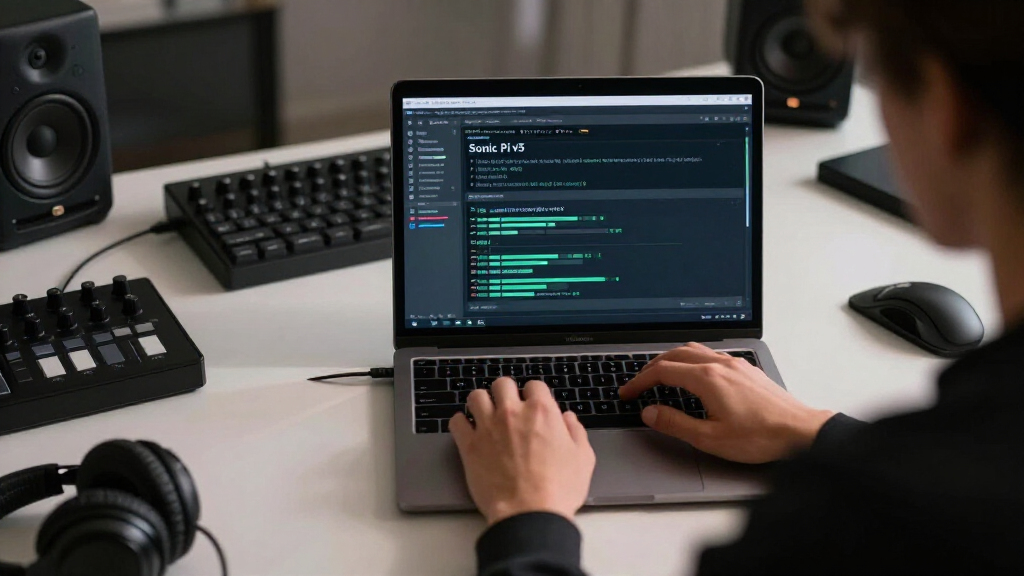
The latest version, Sonic Pi v5, has been released, offering significant updates for programmers and musicians using the platform. The update enhances usability and introduces new capabilities, with further details to follow.
Sonic Pi v5 has been officially released today, marking a significant update to the popular live coding platform used by educators, musicians, and programmers worldwide. The new version introduces several key features designed to enhance user experience and expand creative possibilities, according to the developers.
The Sonic Pi development team announced the release of Sonic Pi v5 through their official channels, highlighting major improvements such as an enhanced user interface, new sound synthesis options, and improved support for hardware integration. The update aims to make live coding more accessible and versatile, especially for educational settings and creative performances.
While the core functionality remains consistent with previous versions, Sonic Pi v5 incorporates a redesigned interface that simplifies navigation and coding workflows. The developers also introduced new built-in sound effects and expanded support for external MIDI devices, enabling more dynamic live performances. The release was accompanied by detailed documentation and tutorials to assist users in transitioning to the new version.
As of now, the Sonic Pi team has stated that the update is stable and ready for widespread use, with plans for further enhancements based on user feedback. The community has responded positively, noting the improvements in usability and functionality.
Why Sonic Pi v5 Matters for Creative Coding
The release of Sonic Pi v5 is significant because it broadens the platform’s appeal beyond its traditional user base of educators and hobbyists. The new features, especially improved hardware support and sound synthesis, make it more suitable for professional live performances and advanced music production. This could influence the landscape of live coding and digital music creation, encouraging more artists and educators to adopt Sonic Pi for their work.
Furthermore, Sonic Pi’s open-source nature means that these updates are accessible to a global community, potentially fostering innovation and collaboration across different fields of digital art and education. The update also signals ongoing investment in the platform’s development, which could lead to further technological advancements and community-driven projects.
MIDI controller for live music performance
As an affiliate, we earn on qualifying purchases.
As an affiliate, we earn on qualifying purchases.
Background and Evolution of Sonic Pi
Sonic Pi was originally developed by Sam Aaron at the University of Cambridge as an educational tool to teach programming and music simultaneously. Since its initial release in 2013, it has gained a dedicated user base, especially in schools and coding communities. Over the years, Sonic Pi has expanded with multiple updates, adding features like live coding, sample manipulation, and hardware integration.
Previous versions focused on making coding accessible and fun, emphasizing real-time performance and experimentation. The platform’s open-source model has fostered a vibrant community that contributes to its ongoing development. Sonic Pi v4, released in 2020, introduced support for more hardware and improved stability; v5 builds on this foundation with a focus on usability and expanded creative tools.
While the development team has not disclosed all details about v5 prior to release, they indicated that the update would significantly enhance user experience and expand creative potential, aligning with the platform’s educational and artistic goals.
“Sonic Pi v5 represents a major step forward in making live coding more intuitive and accessible for everyone.”
— Sam Aaron, Sonic Pi Developer
Unconfirmed Features and Future Developments
While the initial release details focus on interface improvements, sound synthesis, and hardware support, some planned features, such as advanced AI-assisted coding tools or new collaborative features, have not yet been confirmed. The Sonic Pi team has indicated that additional updates and community-driven features may follow, but specifics remain undisclosed.
It is also unclear how quickly the platform will integrate with emerging technologies or expand its compatibility with other hardware and software ecosystems.
Next Steps for Sonic Pi v5 Users and Developers
Developers plan to release detailed update documentation and tutorials to help users adopt v5 effectively. The Sonic Pi community is encouraged to provide feedback, which could influence future enhancements. The team also intends to monitor the platform’s stability and performance in diverse environments, including educational institutions and live performance settings.
Further updates, including potential new features or integrations, are expected to be announced in the coming months, with the community actively involved in shaping the platform’s evolution.
Key Questions
What are the main new features in Sonic Pi v5?
Sonic Pi v5 introduces a redesigned user interface, new sound synthesis options, expanded hardware support, and improved performance and stability. It also offers enhanced support for MIDI devices and new sound effects.
Is Sonic Pi v5 compatible with existing projects?
Yes, Sonic Pi v5 maintains backward compatibility with most existing scripts and projects, with some improvements to scripting and sound capabilities.
Will there be tutorials or training for v5?
Yes, the Sonic Pi team has announced plans to release updated tutorials, documentation, and community resources to assist users in transitioning to v5.
Are there plans for future updates beyond v5?
The Sonic Pi team has indicated ongoing development and community-driven features, but specific future updates have not been officially announced.
Can educators integrate Sonic Pi v5 into their curriculum?
Yes, the platform’s focus on usability and expanded features aims to make it even more suitable for educational use, from beginner coding classes to advanced music courses.
Source: hn
Halloween Picks
halloween
As an affiliate, we earn on qualifying purchases.