To clean up the low end with focused high-pass filters, start by setting the cutoff frequency just above the rumble or muddiness in your signal. This removes unwanted low-frequency noise while keeping your high frequencies intact. Adjust carefully to avoid thinning out essential bass or warmth. Using spectrum analyzers can help you find the perfect balance. Keep experimenting, and you’ll discover how precise filtering enhances clarity without sacrificing natural richness, and you’ll find more helpful tips ahead.
Key Takeaways
- Set an appropriate cutoff frequency to remove unwanted low-end rumble without affecting essential bass elements.
- Use spectrum analyzers to identify problematic low frequencies and target those precisely with high-pass filters.
- Gradually adjust the filter to find the ‘sweet spot’ that cleans low-end noise while preserving natural warmth.
- Combine high-pass filtering with other processing tools (like EQ) for a balanced, clear sound.
- Apply high-pass filters to visual signals to reduce low-frequency blur and improve overall clarity.
Have you ever wondered how to enhance specific details in an image or signal without amplifying unwanted noise? This is where focused high-pass filters come into play, offering a precise way to clean up the low end of your audio or visual signals. By employing filtering techniques that target particular frequency ranges, you can effectively reduce muddiness or rumble, leaving your crisp, high-frequency details intact. Proper frequency management is vital here, as it allows you to eliminate unnecessary low-frequency content without sacrificing the clarity of your overall sound or image.
When you apply a high-pass filter, you’re essentially setting a cutoff point that determines which frequencies are allowed to pass through and which are attenuated. This process is fundamental for removing low-end noise, such as background hum, handling rumble, or unwanted bass that can muddy your mix or image. Focused high-pass filters are especially valuable because they are designed to be precise, so you can target only the problematic low frequencies without affecting the higher, more desirable parts of your signal. This precision helps maintain the natural tone and detail, ensuring your audio remains balanced and clear.
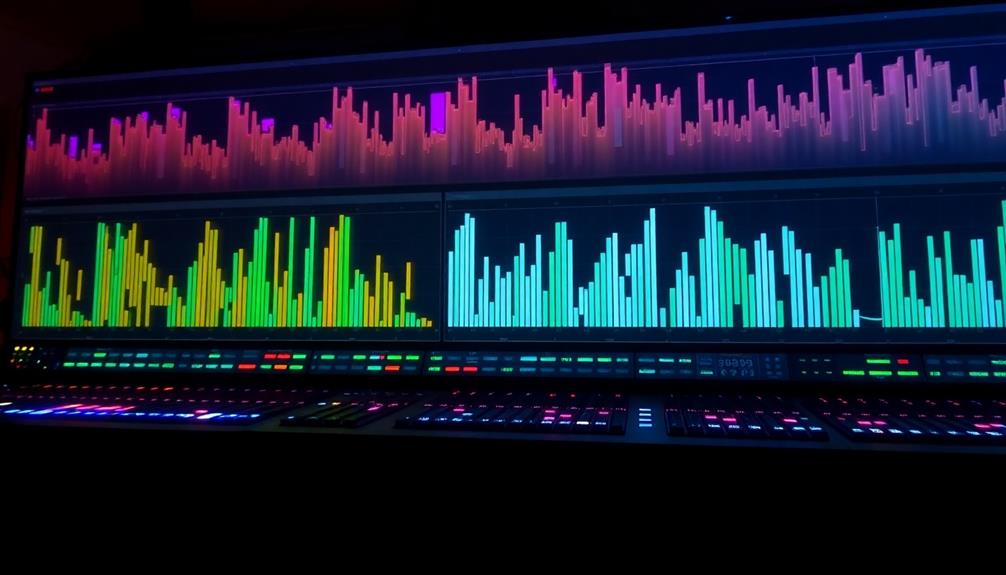
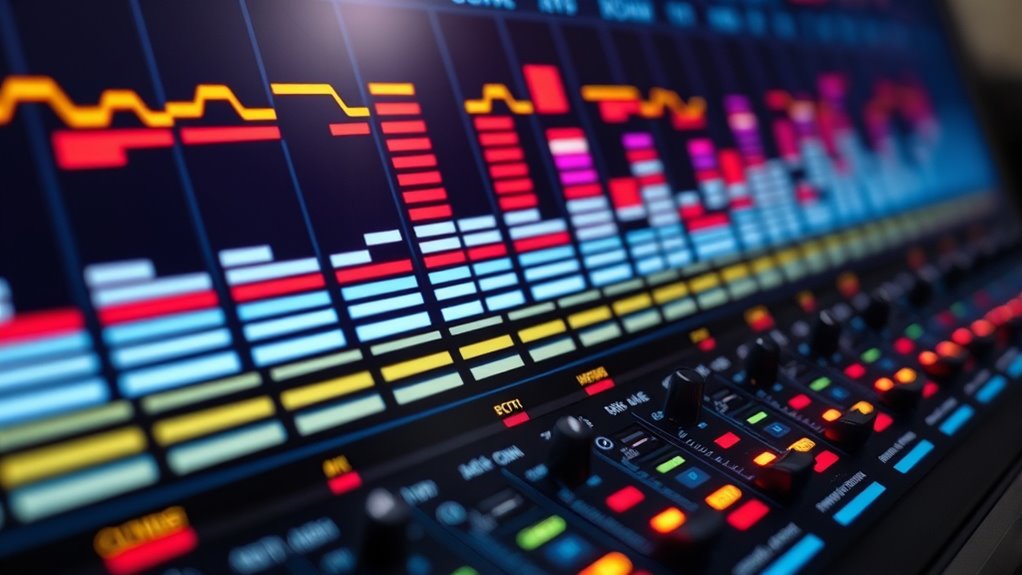
Using these filters effectively requires a good understanding of frequency management. If you set the cutoff too high, you risk removing essential bass elements, resulting in a thin or hollow sound. Conversely, setting it too low might leave you with residual noise and muddiness. The key is to find that sweet spot where the low-end is sufficiently cleaned up but the core warmth and depth of your sound are preserved. Many audio engineers and editors rely on visual tools like spectrum analyzers to help guide their adjustments, ensuring they target only the unnecessary frequencies.
Filtering techniques like high-pass filtering are also highly adaptable for visual signals, such as images or video. In these cases, they help sharpen details by removing distracting low-frequency noise or background blur. Whether you’re working with audio or visual content, mastering frequency management through focused high-pass filters allows you to enhance clarity without introducing artifacts or unwanted noise. It’s about fine-tuning your signal to highlight the details that matter most, giving your final output a polished, professional feel.
Ultimately, the power of a focused high-pass filter lies in its ability to clean up low-end chaos while preserving the integrity of your high-frequency details. With careful adjustment and an understanding of filtering techniques, you can achieve a balanced, clear signal that stands out, free from unnecessary rumble or noise. Understanding frequency management is crucial to optimize your filtering process and maintain the natural richness of your content. With this knowledge, you can ensure your audio or visuals maintain their natural richness, making your work sound and look as good as possible.
Frequently Asked Questions
How Do I Choose the Right Cutoff Frequency for My Track?
To choose the right cutoff frequency, you need to focus on frequency balancing in your mix. Start by listening to your track and identify any muddiness or unnecessary low-end rumble. Use a high-pass filter to gradually cut off frequencies, typically around 20-80Hz, and adjust until the low end sounds clear without sacrificing warmth. Trust your ears and make small adjustments to achieve a clean, well-balanced sound.
Can High-Pass Filters Affect the Overall Mix Clarity?
Sure, high-pass filters can *improve* your mix clarity, but ironically, they might also cause frequency masking issues if overused. By carefully choosing cutoff points, you maintain tonal balance and prevent muddiness. Too aggressive filtering can strip essential low-end presence, leaving your mix sound thin. Use them selectively, ensuring they clear space without sacrificing warmth. Properly applied, high-pass filters boost clarity without sacrificing the richness of your overall sound.
What Are Common Mistakes When Applying High-Pass Filters?
A common mistake is over-filtering, which can cause phase cancellation and thin out your sound. You might also forget to listen carefully, leading to cuts that negatively impact the mix’s clarity. Be cautious with high-pass filters, and avoid aggressively cutting too much low end. Always listen to how filters affect the overall phase and fullness of your mix to make certain you don’t unintentionally weaken important elements.
How Do High-Pass Filters Interact With Other EQ Settings?
You might think high-pass filters don’t affect other EQ settings, but they actually interact through filter interaction and frequency masking. When you apply a high-pass filter, it cuts out low frequencies, which can change how other EQ boosts or cuts sound. This can create masking issues or cause unintended tonal shifts. To avoid this, use filters carefully, listen critically, and adjust other EQ settings to maintain a balanced, clear mix.
Are There Specific Genres That Benefit More From High-Pass Filtering?
You’ll find genre-specific filtering especially helpful for electronic, hip-hop, and rock music, where controlling the low end is vital. High-pass filters allow you to make stylistic frequency adjustments, such as removing unwanted bass rumble or muddiness. By tailoring your high-pass cutoff points to each genre’s sonic characteristics, you guarantee clarity and punch without sacrificing the energy or feel that defines each style.
Conclusion
By applying focused high-pass filters, you take control of your mix, clearing out unwanted low-end clutter like a sculptor chiseling away excess marble. Think of it as summoning the clarity of a pristine lake—each cut revealing the true beauty beneath. When you master this technique, your tracks will resonate with precision and power, echoing the timeless harmony of a well-tuned orchestra. Embrace the process, and let your sound shine as it was meant to.