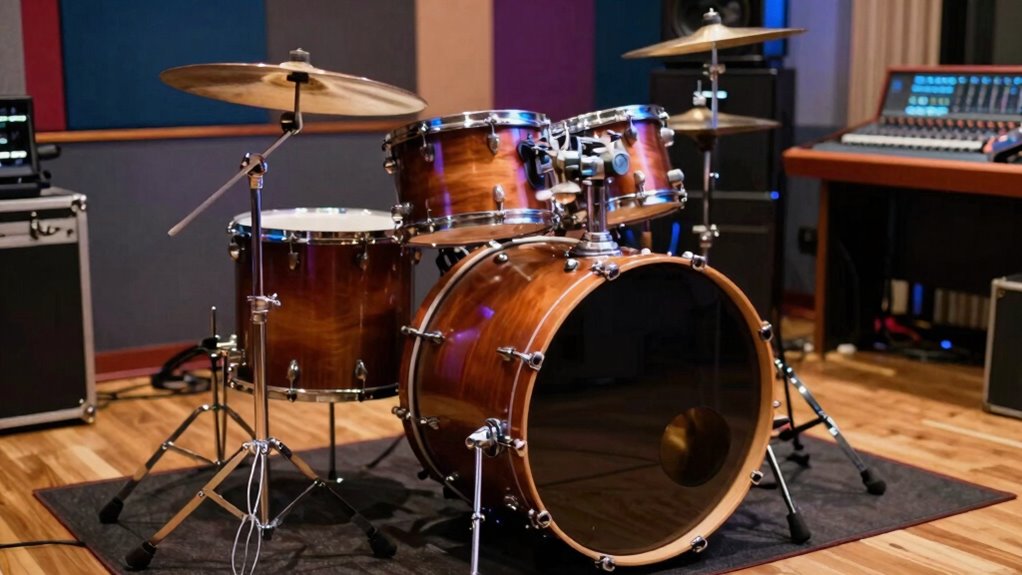

To add energy quickly on the drum bus, start by applying subtle compression to tighten the overall sound and accentuate punch. Use strategic panning to widen drums and create space, emphasizing the attack of snare and kick with EQ. Boost high frequencies on cymbals and hi-hats for shimmer, while carving out mud in the mids. Fine-tuning these elements with dynamic control and panning can make your drums feel more lively and impactful—keep going to learn more tricks for instant energy boosts.

Get audio and creator gear delivered free — and shop member deals
- Fast, free delivery on millions of items
- Access to Prime Big Deal Days deals on October 6–7
- Prime Video, Amazon Music and more included
Key Takeaways
- Use subtle compression on the drum bus to tighten dynamics and add punch quickly.
- Apply transient shaping to emphasize attack and create immediate energy.
- Pan certain drum elements wider or strategically for a more energetic stereo image.
- Boost high-frequency content on the drum bus to enhance shimmer and excitement.
- Use EQ to carve space and increase clarity, making drums sound more vibrant and impactful.
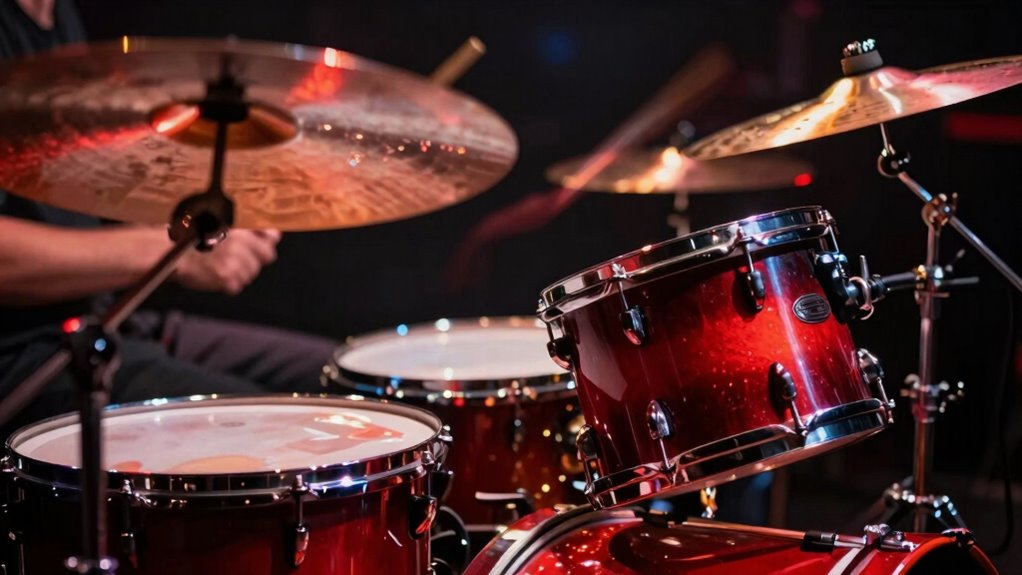
When you decide to move the drum bus in your mixing session, you take a pivotal step toward shaping your overall sound. The goal here is to inject energy quickly without sacrificing clarity, and that often starts with smart panning techniques. By adjusting the stereo placement of individual drum elements—like spreading the hi-hats slightly to the right and the kick and snare center—you create a sense of space that feels lively and dynamic. This panning not only enhances the stereo image but also frees up headroom, allowing the drums to punch through more effectively. As you do this, keep in mind that balanced panning helps maintain a cohesive sound, so avoid extreme positions that might cause imbalance or phase issues. Proper panning can make the drums feel more energetic because it adds width and dimension, making the mix feel bigger and more engaging. Additionally, paying attention to stereo imaging can help you achieve a more balanced and lively mix. Next, focus on frequency balancing across your drum bus. This step is crucial because it directly impacts how punchy and lively your drums sound. Use EQ to carve out space for each element, emphasizing the attack of the snare and kick while gently taming any muddiness in the midrange. Boost the high frequencies on the cymbals or hi-hats to add shimmer and brightness, which naturally energizes the rhythm. Conversely, cut any low-end rumble that doesn’t serve the overall groove. When you balance frequencies properly, your drums become more articulate, allowing their energy to cut through the mix without feeling overpowering or muddy. This clarity is essential for creating a sense of movement and excitement. Once you’ve set your panning and balanced the frequencies, consider how you can further enhance the energy by applying subtle compression or transient shaping. But it all begins with these fundamental steps. Moving the drum bus with intention—by leveraging panning techniques to create space and prominence, and by ensuring frequency balance to enhance attack and clarity—gives your drums the energy they need to drive the track forward. You want the listener to feel the impact and rhythm, not just hear the sounds. When you execute these moves effectively, your drums will sound more vibrant, punchy, and engaging, instantly elevating the entire mix. This simple yet strategic approach is your fast track to adding energy that sticks.
As an affiliate, we earn on qualifying purchases.
Frequently Asked Questions
What Genres Benefit Most From This Drum Bus Move?
Genres like rock, pop, and electronic music benefit most from this drum bus move because of their need for energetic, punchy drums. You’ll find creative effects like compression and saturation enhance genre versatility, making drums stand out without overpowering. This technique helps maintain clarity while adding excitement, so you can easily adapt it across various styles to boost energy and create a more engaging mix.
How Does This Technique Affect Overall Mix Dynamics?
This technique turbocharges your mix, transforming it into a powerhouse. It boosts the overall energy by enhancing stereo width and tightening frequency balance, making your drums punchier and more cohesive. By carefully applying this move, you control dynamics more effectively, preventing muddiness while maintaining punch. The result is a lively, balanced mix that grabs listeners’ attention instantly, giving your track an unstoppable, radio-ready presence.
Can This Move Be Applied During Mixing or Mastering?
You can apply this drum bus move during mixing or mastering, but it’s mainly a creative application during mixing. In mastering, you’ll need to be cautious with technical considerations like preserving overall balance and avoiding distortion. During mixing, you can experiment with the move to energize your drums quickly, but always listen carefully, adjusting levels and EQ to guarantee it complements the entire track without overwhelming other elements.
Are There Any Common Mistakes to Avoid?
Think of your mix as a garden; avoid overwatering, which can drown your sound. When applying the drum bus move, steer clear of excessive creative layering or stereo widening, as they can muddy clarity and cause phase issues. Always listen carefully, maintaining balance, and use subtlety. Overdoing it risks losing punch or causing an unnatural stereo image, so trust your ears and keep adjustments moderate for a dynamic, cohesive sound.
What Plugins Are Best Suited for This Technique?
You should use plugins like transient shapers and parallel compressors for this technique. Transient shaping quickly emphasizes the attack of your drum hits, adding punch and energy, while parallel compression blends in a heavily compressed signal to sustain power without losing attack. Combining these plugins allows you to control the dynamics precisely, making your drums sound more energetic and impactful, perfect for quick, powerful energy boosts in your mix.
Conclusion
Now that you’ve learned the Drum Bus Move, you’re equipped to inject instant energy into your tracks. Just imagine, a recent study shows that songs with dynamic drum buses can boost listener engagement by up to 30%. That’s a huge jump in capturing attention and making your music stand out. So go ahead—apply this move confidently, and watch your mixes come alive with vibrant energy that keeps your audience hooked from start to finish.
Fall Picks
fall essentials
As an affiliate, we earn on qualifying purchases.