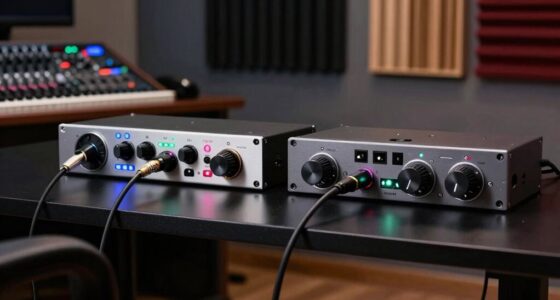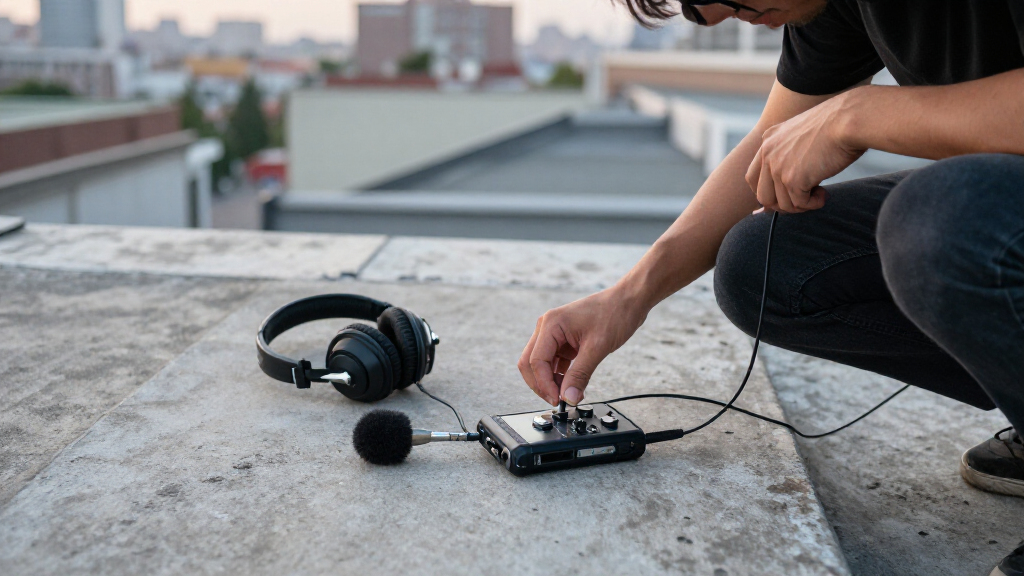
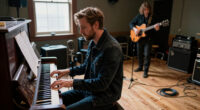
This checklist is for musicians, podcasters, filmmakers, and other creators who need to capture audio away from a permanent studio. It covers a portable recording setup, from recording and microphones to monitoring and storage.

Get audio and creator gear delivered free with Prime
- Fast, free delivery on millions of items
- Prime Video, Amazon Music and more included
- Member-only deals all year
The sections are organized by gear role, with one product pick in each. Consider how each item fits your recording style and the equipment you already use, especially when planning connections, mounting, and monitoring.
Use the checklist to identify the pieces your setup needs, then review the fit and compatibility details before choosing. You can treat each section as a separate slot rather than assuming every recording session requires every item.
Portable Audio Recorder
A portable recorder is the capture hub for sessions where you need to record without relying on a fixed studio setup. The Zoom H6 Essential Handheld Recorder is the pick for this slot. Before choosing a recorder, think through how you plan to use it: musicians, podcasters, and film crews may have different needs for placement, input connections, and monitoring.
A common mistake is focusing on the device name while overlooking the rest of the signal path. Check that the recorder can connect to the microphones and other sources you intend to use, and consider whether its controls and layout suit your recording environment. If you expect to carry it between locations, make sure the recorder, cables, and any accessories fit the way you pack and work. Confirm the exact model details and included items before purchase, since the product name alone does not specify every capability or accessory.
Plan how you will monitor a take and move recordings to your editing setup. Match the recorder to your workflow, and leave room for the connections and storage your sessions require.
What to look for:
- Confirm the inputs match your intended microphones and sources
- Check how you will monitor recordings during a session
- Review the controls and layout for your recording workflow
- Confirm included accessories and exact model details
- Plan how recordings will transfer to your editing setup
Zoom H6 Essential Handheld Recorder for Musicians, Podcasters & Filmmakers

The Zoom H6 is a portable recorder featuring 6-track 32-bit float recording, four XLR/TRS inputs, and interchangeable mic capsules for versatile recording scenarios. It can function as a USB audio interface and records to SD cards, making it suitable for musicians, podcasters, and filmmakers.
Pros:
- High-quality 32-bit float recording captures distortion-free sound
- Versatile with interchangeable mic capsules and multiple inputs
- Can be used as a USB audio interface for flexible workflows
- Built-in audio guidance makes operation accessible
Cons:
- Relatively heavy at 450 grams for portable use
- Requires 4 AAA batteries, which may need frequent replacement
- Complex features may have a learning curve for beginners
Best for: Creators who need a handheld recorder for varied sessions
Not ideal for: Anyone whose required connections have not been confirmed
Bottom line: Choose the recorder after matching its connections and workflow to the way you plan to capture audio.
Shotgun Microphone
A shotgun microphone is a dedicated option to consider when your recording plan calls for a microphone positioned toward a source. The Sennheiser MKE 600 Professional Shotgun Microphone Kit fills this checklist slot. Think about where the microphone will sit and how it will connect to your recording device before deciding whether it fits your setup.
A frequent buying mistake is choosing a microphone without checking the complete mounting and connection arrangement. Review what the kit includes, then confirm that your recorder, cables, and any support equipment work with the microphone. The product name identifies a kit, but does not list every included component or connection detail, so verify the specifications for the exact listing. Consider the space in which you record and the distance between the microphone, the source, and the person handling the equipment.
Also plan how the microphone will be held or mounted during a take. A setup that fits your recording position and connects cleanly to your gear is easier to use consistently. Check compatibility before building the rest of your audio chain around the pick.
What to look for:
- Confirm the microphone’s connection works with your recorder
- Review the kit contents for the accessories you need
- Check mounting options for your intended recording position
- Consider microphone placement relative to the source
- Verify exact listing specifications before completing your setup
Sennheiser MKE 600 Professional Shotgun Microphone Kit

The Sennheiser MKE 600 is a supercardioid/lobar shotgun microphone designed to capture focused dialogue while reducing off-axis noise. It supports phantom or AA battery power and includes a shock mount, wind protection, an XLR-to-3.5 mm adapter, and a storage pouch for camera or boom use.
Pros:
- Directional pickup helps isolate dialogue from surrounding noise
- Supports both phantom power and AA battery operation
- Includes shock mount, wind protection, and camera adapter
- Low-cut filter helps reduce handling and environmental rumble
Cons:
- Requires an adapter cable for direct 3.5 mm camera connection
- AA battery runtime is finite and requires battery replacement
Best for: Creators planning sessions around a shotgun microphone
Not ideal for: Buyers who have not checked mounting and connection needs
Bottom line: Match the microphone, kit contents, and mounting plan to your recorder and recording position.
Wireless Lavalier Microphone
A wireless lavalier system can suit recording plans where the microphone needs to be worn while its receiver connects to the recording device. The DJI Mic 3 Wireless Microphone pick is listed with two transmitters and one receiver in its product name. Consider whether that arrangement fits the number of people and the equipment in your sessions.
A common mistake is treating a transmitter-and-receiver count as a complete compatibility check. Confirm that the receiver connects to the device you plan to record on, and review which cables or adapters are included. Check the exact listing for the system’s components and connection details, since the product name does not spell out every accessory. Think through how you will place or wear the transmitters, and whether your recording environment and workflow suit a wireless setup.
Before recording, plan how the system will fit alongside any other microphones or inputs you intend to use. Make sure the number of transmitters matches your session, and verify that the receiver and recorder can work together. This keeps the choice grounded in your actual recording setup.
What to look for:
- Confirm receiver compatibility with your recording device
- Check the exact included cables, adapters, and accessories
- Match the transmitter count to the people in your sessions
- Plan how transmitters will be worn or positioned
- Consider how the system fits alongside other microphones
DJI Mic 3 Wireless Microphone (2 Transmitters + 1 Receiver + Charging Case)
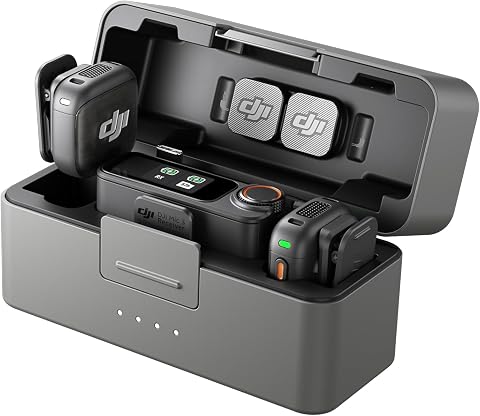
The DJI Mic 3 is a compact, lightweight wireless microphone system designed for on-the-go recording, featuring dual transmitters and a receiver with a charging case. It offers adaptive gain control, noise cancellation, dual-band interference protection, and internal 32-bit float recording for high-quality audio in various environments.
Pros:
- Compact and lightweight design for portability
- High-quality, crystal-clear audio with adaptive features
- Long battery life of up to 28 hours
- Supports multi-voice recording and backup
Cons:
- Requires familiarity with DJI ecosystem for full integration
- May be more expensive than basic wireless microphones
- Limited to compatible DJI devices for some features
Best for: Sessions that call for two transmitters and one receiver
Not ideal for: Setups without a confirmed receiver connection path
Bottom line: Verify the receiver connection and included accessories before relying on this system in a session.
Microphone Boom Pole
Support and positioning are important parts of a microphone setup, especially when the microphone needs to be held or placed away from the recorder. This checklist’s pick is a Microphone Boom Arm Stand Kit with Shock Mount and Windscreen. Check the product’s form and included parts closely so it matches the kind of support your sessions require.
A common buying mistake is assuming that a boom arm, boom pole, and stand are interchangeable. The product name describes an arm stand kit, so compare its mounting arrangement with your intended use and the space available. Confirm the microphone fits the shock mount, and check whether the windscreen suits the microphone you plan to use. Do not assume the kit includes every adapter or support component needed; review the listing and your existing equipment before ordering.
Consider how the support will be positioned, secured, and adjusted during a take. Make sure it can be placed where you need it without conflicting with your other equipment. Compatibility among the support, shock mount, windscreen, and microphone matters as much as the individual parts.
What to look for:
- Confirm whether the arm stand format suits your use
- Check that the microphone fits the shock mount
- Verify the windscreen is suitable for your microphone
- Review the mounting hardware and included adapters
- Consider available space and positioning during recording
Microphone Boom Arm Stand Kit with Shock Mount and Windscreen

This adjustable steel boom arm rotates 360° and supports microphones weighing up to 1.5 kg. The kit includes a shock mount, desk clamp with an anti-scratch pad, and a foam windscreen to help reduce vibration, plosives, and wind noise during recording or broadcasting.
Pros:
- Adjustable arm with 360° rotation
- Shock mount helps reduce vibration noise
- Desk clamp has an anti-scratch pad
- Includes a foam windscreen
Cons:
- Windscreen is specified for the Audio-Technica AT2020 microphone
- Clamp fits desks up to 2.4 inches thick
Best for: Setups needing an arm stand with included mounting pieces
Not ideal for: Recording plans that specifically require a different support format
Bottom line: Confirm the kit’s form, mount fit, and included hardware against your microphone and recording space.
Closed-Back Headphones
Headphones give you a way to monitor audio as you record or review it. The Focal Lensys Professional Closed-Back Headphones are the pick for this checklist slot. Think about how you will connect them to your recorder or other monitoring equipment, and whether their fit suits the length and style of your sessions.
A common mistake is selecting headphones without checking the connection needed for the intended device. Review the exact product listing for the connector and any included cable details, then compare these with your recorder or monitoring setup. Also consider comfort and fit: if possible, check the fit before committing to long sessions, and make sure the headphones work for the people who will use them. The product name does not establish every specification or accessory, so confirm those details directly.
Plan where headphone monitoring belongs in your signal path. Check that the headphones connect to the appropriate output and that the cable arrangement suits your recording position. A well-matched monitoring option makes it easier to use your setup as intended without improvising connections during a session.
What to look for:
- Confirm the connector and cable details for your setup
- Check that your recorder or monitor has a compatible output
- Consider comfort and fit for the intended users
- Review the exact product specifications and included accessories
- Plan cable reach for your recording position
Focal Lensys Professional Closed-Back Headphones

Focal’s Lensys Professional headphones feature dual aluminum/magnesium drivers and sound isolation design, providing detailed monitoring and authentic playback. They are designed for studio use, monitoring, and casual listening, with soft memory foam earpads and a sturdy headband for comfort.
Pros:
- High-quality aluminum/magnesium drivers deliver detailed sound
- Effective sound isolation for studio and casual use
- Comfortable soft memory foam earpads and sturdy headband
- Suitable for monitoring, recording, and playback
Cons:
- Wired connection may limit mobility
- Lack of foldable design for portability
- No water resistance for outdoor use
Best for: Creators adding closed-back headphones to their setup
Not ideal for: Buyers who have not checked output and connector compatibility
Bottom line: Check fit, cable details, and the intended headphone output before adding these to your recording chain.
Portable SSD
Portable storage is a useful part of planning a recording workflow, particularly when you need a place for session files beyond the recording device. The SanDisk 8TB Extreme Portable SSD is the storage pick in this checklist. Consider the devices you will connect it to and how you plan to move recordings into your editing workflow.
A common mistake is choosing storage based only on the capacity shown in the product name. Confirm that your computer or other intended device supports the drive’s connection, and check whether you need a cable or adapter not included with the exact listing. Review the product specifications and your device requirements together; the name alone does not establish transfer performance, included accessories, or compatibility with every system. Also think about how you will organize and back up recordings once they are on the drive.
Before a session, make sure your recorder’s file transfer method works with your computer and the storage workflow you plan to use. Consider where the drive will travel and how it will fit into your existing kit. Confirm the connection path and file handling process before depending on the drive for a project.
What to look for:
- Confirm the drive connection matches your computer or device
- Check included cables and whether adapters are needed
- Review exact specifications for the listing
- Plan how recordings transfer from recorder to storage
- Decide how you will organize and back up session files
SanDisk 8TB Extreme Portable SSD

The SanDisk 8TB Extreme Portable SSD offers high-speed NVMe performance with up to 1050MB/s read and 1000MB/s write speeds. It features rugged durability with drop, water, and dust resistance, along with password protection and a 5-year warranty, making it ideal for active lifestyles and professional use.
Pros:
- High-speed data transfer with up to 1050MB/s read and 1000MB/s write speeds
- Rugged design with drop, water, and dust resistance for durability
- Includes password protection with 256-bit AES encryption for security
- Compact and portable, ideal for travel and on-the-go use
Cons:
- Performance may vary depending on host device and conditions
- Limited to USB 3.0 and USB 3.2 Gen 2 connectivity, may require compatible ports
- Price not specified, which could be a consideration for budget-conscious buyers
Best for: Creators planning to add portable SSD storage
Not ideal for: Setups without a confirmed device connection
Bottom line: Verify the drive connection and transfer workflow with your recorder and editing device.
Build your checklist in the order that supports a usable recording path: confirm the recorder and microphone connections first, then choose the support and monitoring pieces those choices require. Add wireless gear when its transmitter and receiver arrangement fits your sessions, and plan storage around how your recordings move to editing.
You do not need to assemble every slot at once. Start with the pieces that solve your immediate recording needs, check fit and compatibility as you go, and expand the setup when your workflow calls for it. A little planning makes it easier to bring the right gear to your next session.