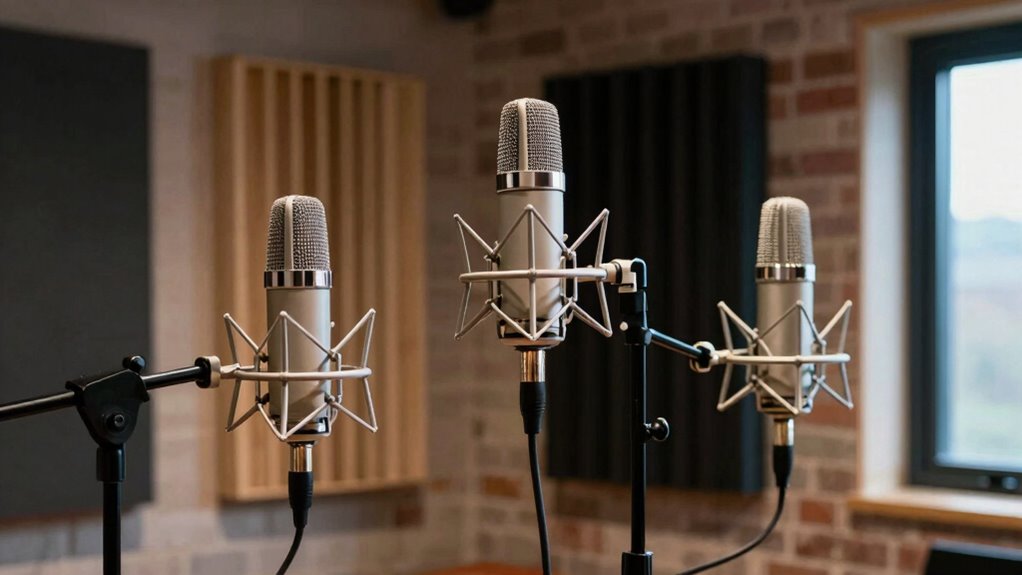

Choosing a vocal microphone for an untreated room presents unique challenges, like unwanted room noise and reflections that can muddy your sound. The Shure SM58 Pro XLR emerges as a reliable all-rounder with excellent rejection of room noise, making it a top overall pick. The Shure SM7B offers superior sound quality and noise rejection for more demanding setups, while the Sennheiser E 945 stands out for its clarity and durability. Each option balances performance, cost, and ease of use differently, so understanding their tradeoffs is key. Continue reading for a detailed breakdown of these and other candidates to find the best fit for your space and needs.

Get audio and creator gear delivered free with Prime
- Fast, free delivery on millions of items
- Prime Video, Amazon Music and more included
- Member-only deals all year
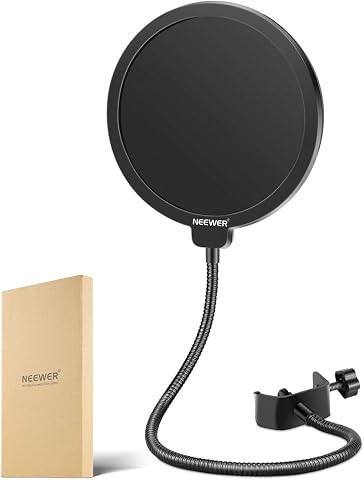
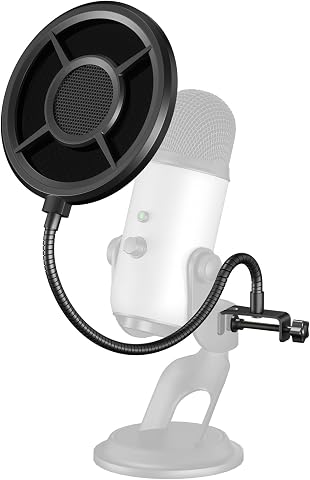
Complete the kit

Key Takeaways
- Microphones with tighter polar patterns, like hypercardioid or super-cardioid, outperform omnidirectional mics in untreated rooms by rejecting more ambient noise.
- Dynamic microphones generally handle room reflections better than condensers, which are more sensitive and prone to picking up unwanted echoes.
- The top picks combine effective rejection of room noise with durability and ease of use, making them suitable for varied recording environments.
- While condenser microphones sound more detailed, they often require additional acoustic treatment or placement considerations in untreated rooms.
- Price and features vary significantly; investing in a higher-quality mic can reduce the need for extensive room treatment and improve overall sound quality.
| Shure SM58 Pro XLR Dynamic Vocal Microphone |  | Best Overall for Live Vocal Performance in Untreated Rooms | Type: Dynamic | Connectivity: XLR | Polar Pattern: Cardioid | VIEW ON AMAZON | See Our Full Breakdown |
| Audix OM5 Hypercardioid Handheld Dynamic Vocal Microphone – Black |  | Best for Focused Stage Vocals with Background Noise Rejection | Connectivity Technology: Wired | Connector Type: XLR | Polar Pattern: Hyper Cardioid | VIEW ON AMAZON | See Our Full Breakdown |
| Sennheiser E 945 Dynamic Super-Cardioid Vocal Microphone, Black |  | Best for Live Vocals with Superior Handling Noise Reduction | Connectivity Technology: XLR | Connector Type: XLR | Polar Pattern: Super Cardioid | VIEW ON AMAZON | See Our Full Breakdown |
| Audio-Technica AT2020 Cardioid Condenser Studio XLR Microphone, Black |  | Best Budget Condenser for Untreated Room Recording | Type: Condenser | Connectivity: XLR | Polar Pattern: Cardioid | VIEW ON AMAZON | See Our Full Breakdown |
| Sennheiser e935 Cardioid Dynamic Vocal Microphone |  | Best for Consistent, High-Output Live Vocal Performance | Connectivity Technology: Wired | Connector Type: XLR | Polar Pattern: Unidirectional | VIEW ON AMAZON | See Our Full Breakdown |
| Sennheiser E 835 Dynamic Cardioid Vocal Microphone |  | Best Overall for Feedback Rejection and Durability | Connectivity Technology: XLR | Polar Pattern: Unidirectional | Audio Sensitivity: 32 dB | VIEW ON AMAZON | See Our Full Breakdown |
| Shure SM7B Dynamic Vocal Microphone for Podcasting & Streaming |  | Best for Studio Quality in Untreated Rooms | Type: Dynamic | Polar Pattern: Cardioid | Frequency Response: 50 Hz – 20 kHz | VIEW ON AMAZON | See Our Full Breakdown |
| Shure SM4 XLR Studio Condenser Microphone Kit for Recording |  | Best for Detailed Studio Recordings in Untreated Rooms | Capsule: 1-inch dual-diaphragm | Polar Pattern: Cardioid | Maximum SPL: 140dB | VIEW ON AMAZON | See Our Full Breakdown |
| Shure SM58S Pro XLR Dynamic Vocal Microphone with On/Off Switch |  | Best for Live Vocals and Rehearsals in Untreated Rooms | Type: Dynamic Vocal Microphone | Polar Pattern: Cardioid | Switch: On/Off | VIEW ON AMAZON | See Our Full Breakdown |
| Electro-Voice ND76 Dynamic Cardioid Vocal Microphone, Black |  | Best for High-Performance Stage Use in Untreated Rooms | Connectivity Technology: Wired | Connector Type: XLR | Polar Pattern: Unidirectional | VIEW ON AMAZON | See Our Full Breakdown |
| RØDE NT1 Signature Series Studio Condenser Microphone, Black |  | Best Overall for Studio-Quality Vocals in Untreated Rooms | Connectivity Technology: XLR | Connector Type: XLR | Polar Pattern: Unidirectional | VIEW ON AMAZON | See Our Full Breakdown |
| Electro-Voice RE320 Large Diaphragm Dynamic Vocal Microphone Bundle |  | Best for Versatile, High SPL Vocal and Instrument Recording in Untreated Rooms | Type: Dynamic Microphone | Diaphragm Size: Large | Polar Pattern: Variable-D | VIEW ON AMAZON | See Our Full Breakdown |
| vocal microphone for untreated room | Polar Pattern | Connectivity Technology |
|---|---|---|
| Shure SM58 Pro XLR Dynamic Voc | Cardioid | — |
| Audix OM5 Hypercardioid Handhe | Hyper Cardioid | Wired |
| Sennheiser E 945 Dynamic Super | Super Cardioid | XLR |
| Audio-Technica AT2020 Cardioid | Cardioid | — |
| Sennheiser e935 Cardioid Dynam | Unidirectional | Wired |
| Sennheiser E 835 Dynamic Cardi | Unidirectional | XLR |
| Shure SM7B Dynamic Vocal Micro | Cardioid | — |
| Shure SM4 XLR Studio Condenser | Cardioid | — |
| Shure SM58S Pro XLR Dynamic Vo | Cardioid | — |
| Electro-Voice ND76 Dynamic Car | Unidirectional | Wired |
| RØDE NT1 Signature Series Stud | Unidirectional | XLR |
| Electro-Voice RE320 Large Diap | Variable-D | — |
More Details on Our Top Picks
Shure SM58 Pro XLR Dynamic Vocal Microphone
The Shure SM58 stands out for its legendary reputation among live performers, thanks to its warm, natural sound and rugged build. Compared to the Sennheiser e935, it offers slightly more forgiving handling noise and better durability, making it a reliable choice for untamed acoustics. Its integrated pop filter reduces plosives effectively, which is especially beneficial in untreated rooms where acoustic treatment is lacking. However, its reliance on XLR and external interfaces can add complexity for home setups. This microphone excels in environments where durability and vocal warmth are prioritized over studio finesse.
Pros:- Legendary durability and proven track record
- Warm, natural vocal reproduction
- Effective built-in pop filter reduces plosives
- Focuses on vocals with minimal background noise
Cons:- Requires external XLR interface, adding setup complexity
- Less suited for instrument miking or studio precision
Best for: Vocalists and broadcasters who perform live or record in untreated, noisy environments and need a durable, reliable mic.
Not ideal for: Home studio users seeking a condenser for detailed recordings or those preferring USB connectivity for simplicity.
- Type:Dynamic
- Connectivity:XLR
- Polar Pattern:Cardioid
- Built-in Pop Filter:Yes
- Material:Metal
- Application:Vocal, Live, Recording, Broadcast
Our verdict“This mic is ideal for performers who need a rugged, dependable solution in untreated acoustic spaces.”
Audix OM5 Hypercardioid Handheld Dynamic Vocal Microphone – Black
The Audix OM5 excels with its hypercardioid pattern, which sharply isolates vocals from ambient noise, making it a strong choice for untreated rooms with challenging acoustics. Compared to the Sennheiser e945, it offers a higher maximum SPL and more focus on vocals, reducing bleed from stage monitors or crowd noise. Its high output levels help cut through noisy environments, but it’s limited to wired XLR connections, which can be restrictive for mobile or wireless setups. This model makes the most sense for performers needing excellent feedback rejection and clarity in less controlled spaces.
Pros:- Excellent vocal focus and clarity
- High output for powerful sound
- Reduces background noise effectively
- Robust build suited for stage use
Cons:- No wireless option, limited mobility
- Requires XLR connection, not USB
- Impedance may require compatible gear
Best for: Stage performers or studio vocalists who need focused sound and background noise rejection in untreated or noisy environments.
Not ideal for: Home recording enthusiasts seeking a condenser microphone or wireless microphone solutions.
- Connectivity Technology:Wired
- Connector Type:XLR
- Polar Pattern:Hyper Cardioid
- Impedance:200 ohm
- Frequency Response:48 Hz – 19 kHz
- Application:Stage, Studio
Our verdict“This mic is perfect for performers who prioritize vocal isolation and feedback control in untreated spaces.”
Sennheiser E 945 Dynamic Super-Cardioid Vocal Microphone, Black
The Sennheiser E 945 offers exceptional sound quality for live vocals, with a supercardioid pattern that provides high gain before feedback, ideal for untreated rooms with sound reflections. Compared to the Sennheiser e935, it emphasizes handling noise reduction and electrical interference suppression, which is vital in noisy environments. Its heavier weight and supercardioid pattern may affect ease of handling during active performances, but this tradeoff results in more focused sound and better rejection of ambient noise. This microphone is tailored for demanding stage environments where durability and sound quality matter.
Pros:- High sound quality for live vocals
- Durable metal construction
- Reduces handling noise and electrical interference
- Excellent for high-volume environments
Cons:- Heavier than some handhelds
- Requires XLR connection and power source
- Limited to vocal applications
Best for: Professional stage performers and rental companies needing a durable, high-output microphone for untreated acoustics.
Not ideal for: Home users or casual podcasters who prefer condenser microphones or lighter handhelds for extended use.
- Connectivity Technology:XLR
- Connector Type:XLR
- Polar Pattern:Super Cardioid
- Material:Metal
- Application:Live Vocals
- Weight:365 g
Our verdict“This is suited for professionals seeking a rugged, high-output mic that handles untreated acoustics effectively.”
Audio-Technica AT2020 Cardioid Condenser Studio XLR Microphone, Black
The Audio-Technica AT2020 introduces a condenser option that captures detailed vocals, even in untreated rooms, thanks to its cardioid pattern that minimizes background noise. Compared with dynamic microphones like the Shure SM58, it offers a broader frequency response and more accurate sound reproduction, making it a strong choice for home or project studios. Its low-mass diaphragm enhances transient response, but as a condenser, it is more sensitive to room reflections and background noise—requiring placement care. However, its affordability and high SPL handling make it accessible for those working without acoustic treatment.
Pros:- Excellent sound detail and frequency response
- High SPL handling for versatile use
- Affordable for home studios
- Reduces side and rear noise pickup
Cons:- Requires phantom power, not always available
- Sensitive to room reflections
- No included accessories
Best for: Home studio owners or podcasters seeking a condenser microphone with decent noise rejection suitable for untreated rooms.
Not ideal for: High-volume live performers or users requiring rugged durability—condensers are more fragile and sensitive.
- Type:Condenser
- Connectivity:XLR
- Polar Pattern:Cardioid
- Frequency Response:20 Hz – 20 kHz
- Hardware Platform:PC
- Power Source:Phantom Power
Our verdict“This condenser is a practical choice for those wanting detailed recordings in untreated spaces on a budget.”
Sennheiser e935 Cardioid Dynamic Vocal Microphone
The Sennheiser e935 offers a reliable, robust solution for live vocals, with a unidirectional pattern that excels at reducing feedback and background noise, especially in untreated spaces. Compared to the Shure SM58, it provides a slightly higher output level and better handling noise suppression, which benefits energetic performances. Its all-metal construction ensures durability, but its heavier weight and XLR dependency mean it may feel cumbersome during long gigs. Overall, this microphone suits performers needing high output and durability in challenging acoustic environments.
Pros:- High output and consistent sound
- Very durable metal construction
- Reduces feedback and ambient noise
- Reliable in demanding environments
Cons:- Requires XLR and external power
- Heavier than some handhelds
- Limited to live vocal applications
Best for: Professional musicians and rental companies requiring a durable, high-output microphone for untreated or noisy venues.
Not ideal for: Casual users or home recordists who prefer condenser mics or wireless solutions for convenience.
- Connectivity Technology:Wired
- Connector Type:XLR
- Polar Pattern:Unidirectional
- Material:Metal
- Application:Live Vocals
- Weight:355 g
Our verdict“This mic is ideal for professionals who need a tough, high-output solution for untreated, noisy environments.”
Sennheiser E 835 Dynamic Cardioid Vocal Microphone
The Sennheiser E 835 stands out for its excellent feedback rejection and sound clarity, making it a reliable choice for untreated rooms where sound bleed and echo are common issues. Compared to the Shure SM58, it offers superior feedback control, but it’s less versatile for live scenarios that require wireless setups. Its rugged metal construction ensures durability during frequent use, though it requires a wired connection, limiting flexibility. The mic’s sensitivity allows for clear vocal capture in untreated spaces, yet it’s incompatible with wireless systems, which might be a drawback for mobile performers.
Pros:- Excellent feedback rejection and sound clarity
- Rugged metal construction for durability
- Good sensitivity for vocal performance
Cons:- Requires a power source (corded)
- Limited to professional audio setups
- No wireless option
Best for: Vocalists and live performers needing durable, feedback-resistant microphones in untreated environments.
Not ideal for: Home recording enthusiasts seeking wireless convenience or multi-channel setups.
- Connectivity Technology:XLR
- Polar Pattern:Unidirectional
- Audio Sensitivity:32 dB
- Frequency Response:16 KHz
- Enclosure Material:Metal
- Item Weight:11.6 ounces
Our verdict“This mic suits performers who prioritize feedback control and durability over wireless flexibility.”
Shure SM7B Dynamic Vocal Microphone for Podcasting & Streaming
The Shure SM7B offers a broad frequency response and natural sound, making it ideal for vocal recordings in untreated rooms where background noise can be an issue. Unlike the Sennheiser E 835, it provides a warmer, more natural tone and handles lower frequencies better, but it requires an external audio interface with sufficient gain, which adds to setup complexity. Its built-in pop filter and rugged all-metal build make it a favorite for broadcasters and podcasters, though it’s not wireless and needs a dedicated space with good gain levels. For those needing studio-grade sound in less-than-ideal acoustic environments, it’s a solid choice despite needing additional equipment.
Pros:- Delivers warm, natural, and clear vocal sound
- Reduces background noise with cardioid pattern and shock isolation
- Built-in pop filter and windscreen for cleaner recordings
Cons:- Requires an audio interface or mixer with XLR input
- No included stand or accessories
- May need additional gain for quiet sources
Best for: Podcasters, streamers, and vocalists working in untreated home or project studios.
Not ideal for: Performers seeking wireless microphones or portable live sound solutions.
- Type:Dynamic
- Polar Pattern:Cardioid
- Frequency Response:50 Hz – 20 kHz
- Connectivity:XLR
- Construction:All-metal
Our verdict“This mic is best suited for voice recordings where natural tone and noise rejection are priorities in untreated spaces.”
Shure SM4 XLR Studio Condenser Microphone Kit for Recording
The Shure SM4 features a dual-diaphragm capsule that captures detailed, natural sound with excellent noise rejection, making it a good option for untreated rooms where background noise and echo are prevalent. Compared to the Sennheiser E 835, it offers superior detail but at a higher cost and with less ruggedness for live use, leaning more towards studio applications. Its included accessories, like the pop filter and shock mount, enhance recording quality, though it’s not wireless and demands a stable XLR connection. This microphone excels when detailed vocal clarity is needed, yet it’s more fragile and expensive than dynamic options.
Pros:- Excellent noise rejection and interference shielding
- Includes pop filter and shock mount for studio-quality recordings
- Dual-diaphragm capsule for natural, detailed sound
Cons:- Requires XLR connection, not USB
- More expensive than entry-level mics
- Less durable for stage use
Best for: Home studio owners and professionals needing high-fidelity vocal recordings amidst untreated acoustics.
Not ideal for: On-the-go performers requiring a portable, wireless setup or rugged stage use.
- Capsule:1-inch dual-diaphragm
- Polar Pattern:Cardioid
- Maximum SPL:140dB
- Construction:All-metal
- Included Accessories:Pop filter, Shock mount
Our verdict“Ideal for users prioritizing detailed, high-quality vocal recordings in untreated environments, with less emphasis on mobility.”
Shure SM58S Pro XLR Dynamic Vocal Microphone with On/Off Switch
The Shure SM58S offers reliable, warm vocal reproduction with a built-in on/off switch, making it a staple for live performances and rehearsals in untreated spaces. Compared to the Sennheiser E 835, it’s slightly less feedback resistant but more familiar for stage use, with the advantage of an on/off switch for quick control. Its cardioid pattern provides effective rejection of off-axis noise, but it’s less suited for studio recording or streaming due to its durability focus on live environments. For performers needing a rugged, straightforward mic in less controlled acoustics, it remains a dependable choice.
Pros:- Warm, clear vocal sound
- Built-in on/off switch for convenience
- Durable construction for live use
Cons:- Requires XLR connection, not wireless
- Limited to vocal applications
- Less feedback control than some handhelds
Best for: Musicians and performers in live settings or rehearsal spaces without acoustic treatment.
Not ideal for: Studio vocalists or broadcasters seeking detailed, studio-grade recordings.
- Type:Dynamic Vocal Microphone
- Polar Pattern:Cardioid
- Switch:On/Off
- Application:Live vocals, studio, rehearsal
Our verdict“This microphone is ideal for live performers needing a durable, straightforward vocal mic in untreated venues.”
Electro-Voice ND76 Dynamic Cardioid Vocal Microphone, Black
The Electro-Voice ND76 combines a large-diaphragm design with rugged construction, delivering crisp, clear vocals even in untreated environments where ambient noise and feedback are concerns. It features a shock-mounted capsule and humbucking coil for noise reduction, outperforming typical handheld dynamics like the Shure SM58 in noise rejection. However, its heavier weight and specialized features make it less portable and more suited to fixed stage setups. If you need a high-quality, stage-ready microphone that handles noisy, untreated spaces well, this model offers excellent clarity but at a higher price point and reduced portability.
Pros:- High-quality, crisp vocal sound
- Durable stainless steel construction
- Effective noise isolation with shock mount and humbucking coil
Cons:- Requires XLR connection, not wireless
- Heavier than typical handheld mics
- Higher price compared to basic dynamic mics
Best for: Stage performers who need reliable, noise-resilient microphones in untreated environments.
Not ideal for: Travelers or casual users seeking lightweight, wireless mics for casual use.
- Connectivity Technology:Wired
- Connector Type:XLR
- Polar Pattern:Unidirectional
- Impedance:350 ohm
- Item Dimensions:10.24 x 5.12 x 2.76 inches
- Item Weight:1.3 pounds
Our verdict“This mic suits performers needing a durable, high-performance vocal solution in untreated, noisy environments, accepting increased weight and cost.”
RØDE NT1 Signature Series Studio Condenser Microphone, Black
The RØDE NT1 Signature Series stands out for its exceptional low self-noise and warm, silky sound, making it ideal for capturing vocals in untreated spaces. Compared with the Electro-Voice RE320, which is more robust and handles high SPLs well, the NT1 offers a more refined, studio-grade sound suited for detailed vocal work. However, its need for an audio interface and larger size may be less convenient for smaller home setups. This microphone’s high signal-to-noise ratio and included accessories make it a top choice for serious content creators aiming for professional-quality recordings from untreated rooms.
Pros:- Alarmingly low self-noise for pristine vocal recordings
- Includes essential accessories like shock mount and pop filter
- Versatile for vocals, instruments, and voice-overs
- High SPL handling for loud sources
Cons:- Requires an external audio interface or mixer to operate
- Premium price may be prohibitive for casual users
- Bulkier size demands dedicated space
Best for: Home studio owners and podcasters seeking studio-like vocal clarity without acoustic treatment
Not ideal for: Musicians or streamers on a tight budget who prefer a simpler, budget-friendly setup or need portability
- Connectivity Technology:XLR
- Connector Type:XLR
- Polar Pattern:Unidirectional
- Audio Sensitivity:4 dB
- Microphone Form Factor:Large Diaphragm
- Power Source:Corded Electric
- Signal-to-Noise Ratio:78 dB
- Audible Noise:4 dB
Our verdict“This mic best suits those wanting professional studio sound in untreated rooms and willing to invest in quality gear.”
Electro-Voice RE320 Large Diaphragm Dynamic Vocal Microphone Bundle
The Electro-Voice RE320 excels in handling high SPLs and offers a natural tonal response, making it well-suited for vocals and instruments within untreated spaces. Unlike the RØDE NT1, which shines with its ultra-low noise profile, the RE320 provides more robustness and flexibility with its dual-voicing switches, ideal for dynamic recording scenarios and live applications. Its included shock mount and hard case add durability but require careful handling due to its more complex controls. This microphone’s ability to manage loud sources while maintaining clarity makes it a strong choice for multi-purpose use in untreated rooms, especially for those who need flexibility across different recording contexts.
Pros:- Handles high SPL levels without distortion
- Includes shock mount and protective case for durability
- Versatile with dual-voicing switches for different sound profiles
- Natural sound with minimal noise
Cons:- Higher cost compared to basic dynamic mics
- Requires careful handling and proper technique to avoid damage
- Complex controls can be confusing for beginners
Best for: Musicians, podcasters, and streamers who need a versatile, high SPL-capable microphone for untreated environments
Not ideal for: Users primarily focused on studio-quality vocals with ultra-low noise, who might prefer the quieter condenser options like the NT1
- Type:Dynamic Microphone
- Diaphragm Size:Large
- Polar Pattern:Variable-D
- Frequency Response:Wide, suited for vocals and instruments
- Sensitivity:High
- Maximum SPL:Handles high SPL levels
- Included:Shock mount, hard case
- Switches:Dual-voicing, kick drum response
Our verdict“This dynamic mic is best for those seeking a flexible, high-performance option for untreated spaces and diverse recording needs.”

How We Picked
Our evaluation focused on how well each microphone performs in untreated rooms, emphasizing rejection of room noise, clarity, and handling of reflections. We prioritized microphones with directional polar patterns, especially hypercardioid and super-cardioid, which are more effective at isolating vocals from ambient sounds. Durability, ease of setup, and value for money also played key roles, ensuring the picks suit a range of budgets and experience levels. Products were ranked based on a combination of technical performance and practical usability in real-world, untreated environments, highlighting those that deliver reliable sound quality without extensive acoustic treatment.| vocal microphone for untreated room | Polar Pattern | Connectivity Technology |
|---|---|---|
| Shure SM58 Pro XLR Dynamic Voc | Cardioid | — |
| Audix OM5 Hypercardioid Handhe | Hyper Cardioid | Wired |
| Sennheiser E 945 Dynamic Super | Super Cardioid | XLR |
| Audio-Technica AT2020 Cardioid | Cardioid | — |
| Sennheiser e935 Cardioid Dynam | Unidirectional | Wired |
| Sennheiser E 835 Dynamic Cardi | Unidirectional | XLR |
| Shure SM7B Dynamic Vocal Micro | Cardioid | — |
| Shure SM4 XLR Studio Condenser | Cardioid | — |
| Shure SM58S Pro XLR Dynamic Vo | Cardioid | — |
| Electro-Voice ND76 Dynamic Car | Unidirectional | Wired |
| RØDE NT1 Signature Series Stud | Unidirectional | XLR |
| Electro-Voice RE320 Large Diap | Variable-D | — |
Factors to Consider When Choosing Vocal Microphone For Untreated Room
Selecting the right vocal microphone for an untreated room involves balancing several factors. It’s important to consider how the mic’s polar pattern helps reject ambient noise, how sensitive it is to room reflections, and whether it suits your specific recording style. Additional considerations include durability, connectivity, and price. Being aware of common pitfalls, like choosing overly sensitive condensers without room treatment, can prevent subpar results. This guide outlines key factors to help you make an informed choice aligned with your setup and goals.Polar Pattern and Room Noise Rejection
The microphone’s polar pattern determines how well it isolates vocals from room noise. Hypercardioid and super-cardioid mics are best suited for untreated environments because they focus on sound directly in front of the mic, rejecting side and rear reflections. Omnidirectional mics, by contrast, capture sound from all directions, making them prone to picking up unwanted echoes and background noise. Understanding this difference can help you select a mic that minimizes room issues without needing acoustic treatment.
Microphone Type: Dynamic vs. Condenser
Dynamic microphones are generally more forgiving in untreated rooms because their limited sensitivity reduces the pickup of room reflections. They are robust and handle loud sources well. Condenser mics, though more detailed, tend to capture every nuance, including room reverberations, which can muddy recordings in untreated spaces. Choosing between the two depends on your environment and sound quality priorities; often, dynamics are more practical for less controlled spaces.
Durability and Build Quality
A microphone’s build quality impacts its longevity and consistent performance, especially in non-studio environments. Robust construction is vital if you’ll be moving or handling the mic frequently. Cheaper, fragile models may suffer from damage or inconsistent results over time. Investing in a well-made mic can save money and frustration, particularly when room treatment isn’t an option.
Ease of Use and Setup
For non-professional setups, simplicity matters. Features like switchable patterns or built-in filters can help adapt the microphone to challenging acoustics. A straightforward, reliable connection type (like XLR or USB, depending on your setup) reduces setup headaches. Avoid overly complex models if you want quick, hassle-free recordings in a space with limited acoustic control.
Budget and Value
While higher-priced microphones often deliver better rejection and sound quality, there are effective budget options that perform well in untreated rooms. Prioritize microphones with proven rejection qualities over those with features you won’t utilize. Sometimes, a mid-range dynamic mic paired with basic room mitigation strategies yields the best balance of cost and performance.
Frequently Asked Questions
Can I use a condenser microphone in an untreated room?
Condenser microphones are more sensitive and can capture room reflections and background noise more vividly than dynamics. While they can be used in untreated rooms, the results may include a lot of room ambiance, making it harder to get clean vocal recordings without additional acoustic treatment. If you prefer a condenser, consider adding simple baffles or placement strategies to minimize reflections and improve sound clarity.
Are hypercardioid or super-cardioid mics better for untreated spaces?
Yes, both hypercardioid and super-cardioid microphones are designed to reject ambient noise from the sides and rear better than omnidirectional mics. This makes them more suitable for untreated rooms where sound reflections and background noise are prevalent. However, their narrower pickup pattern means proper placement is key to capturing clear vocals while minimizing room noise.
Is it worth investing in a high-end microphone if my room isn’t treated?
Investing in a quality dynamic microphone can improve your recordings significantly, even in untreated environments. High-end models often feature better rejection of ambient noise and more robust build quality. However, no microphone can fully compensate for poor room acoustics; combining a good mic with simple room mitigation techniques will produce the best results.
Should I prioritize durability over sound quality in an untreated room?
Durability is especially important if you plan to move or frequently handle the mic, but it shouldn’t come at the expense of sound quality. The best approach is to choose a microphone with a solid construction that also offers good rejection of room noise, like a well-designed dynamic cardioid or hypercardioid model. This balance ensures longevity and consistent performance in challenging environments.
What is the main tradeoff when choosing a microphone for an untreated room?
The primary tradeoff involves balancing sound clarity against rejection of room noise. Sensitive condensers provide detailed sound but often pick up unwanted room reflections, while dynamics with tighter polar patterns reject ambient noise better but may lack some high-frequency detail. Understanding your priorities—whether sound quality or noise rejection—is key to selecting the right microphone for your space.
Conclusion
For casual home recording or live practice spaces with untreated rooms, a dynamic microphone with a hypercardioid or super-cardioid pattern, like the Shure SM58 Pro XLR, offers a reliable, budget-friendly choice. Those seeking professional-grade sound with minimal room noise might prefer the Shure SM7B, albeit at a higher cost. Beginners should focus on ease of use and durability, while experienced users may prioritize advanced features and superior rejection. Overall, pairing the right mic with simple room adjustments can significantly improve vocal clarity without extensive acoustic treatment.