

By establishing a consistent inventory habit, you keep track of every piece of equipment, which helps prevent unnecessary purchases, repairs, and replacements. Regularly updating your inventory guarantees you know what you have, its condition, and when maintenance is due, extending gear lifespan. This organized approach also supports smarter budgeting and avoids costly mistakes. If you want to learn how to maximize your studio’s efficiency and save money in the long run, keep exploring these methods.

Get audio and creator gear delivered free with Prime
- Fast, free delivery on millions of items
- Prime Video, Amazon Music and more included
- Member-only deals all year
Key Takeaways
- Regularly updating and reviewing inventory prevents unnecessary purchases and identifies gaps early.
- Maintaining detailed records extends equipment lifespan through timely maintenance and proper care.
- Tracking equipment usage helps avoid duplication and underutilization, saving costs.
- Organized inventory supports strategic budgeting by revealing actual needs versus impulsive buying.
- Shared access to inventory data fosters accountability, reducing theft and damage expenses.
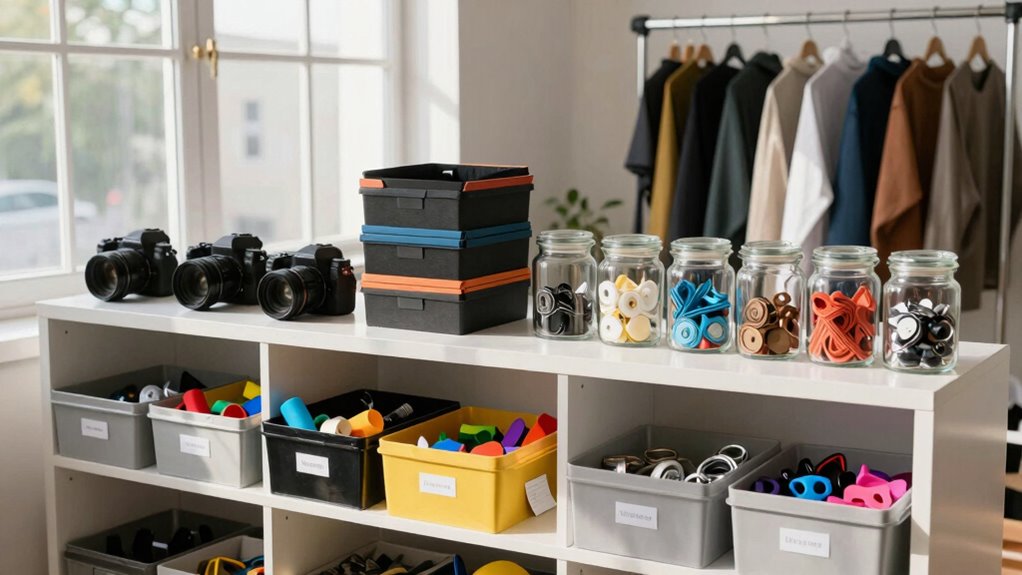
Maintaining a consistent studio inventory habit can dramatically improve your workflow and creativity. When you stay on top of your equipment organization, you eliminate the chaos that often leads to wasted time searching for gear or duplicating items you already own. Knowing exactly what you have at any given moment allows you to plan your projects more efficiently and avoid last-minute purchases. This systematic approach also encourages equipment tracking, which is essential for long-term efficiency and helps you stay aware of your gear’s condition. This habit also supports smarter budget planning because you can identify equipment gaps early and make informed decisions about what to buy next, rather than impulsively purchasing items you might already possess or don’t need.
Keeping a consistent inventory boosts workflow, prevents duplication, and supports smarter, more efficient budget planning.
By systematically tracking your gear—whether through spreadsheets, dedicated apps, or physical logs—you gain a clear picture of your assets. This not only helps in maintaining order but also guarantees that your equipment remains in good condition, reducing the risk of loss or damage. When you know your inventory inside out, you can schedule regular maintenance and repairs, extending the lifespan of your gear and saving money in the long run. Having an organized system means you’re less likely to buy duplicates, which can quickly inflate your budget and clutter your workspace. Instead, you make strategic purchases based on actual needs, which is the foundation of effective budget planning. Implementing an inventory management system can streamline this process further and ensure consistency.
A well-maintained inventory also makes it easier to set aside funds for future upgrades or new equipment. When you see exactly what you own and what’s missing, you can prioritize investments that truly enhance your creative process. Plus, keeping track of your equipment’s value can help during tax season or if you decide to sell parts of your collection later. This kind of foresight ensures that your studio remains financially sustainable and doesn’t drain your resources unnecessarily. Incorporating digital tools for inventory management can further enhance accuracy and ease of use.
Furthermore, a disciplined inventory habit fosters accountability. If you’re working with a team or sharing your space, everyone can access the same information about gear availability and status. This reduces misunderstandings and ensures everyone contributes to maintaining the system. Over time, this consistency builds a culture of responsibility that benefits your studio’s overall health and financial well-being. Ultimately, by integrating equipment organization and budget planning into your routine, you create a streamlined environment that saves you money and time, empowering you to focus on what truly matters—your creativity and projects.
An organized inventory also highlights the importance of equipment organization, which is crucial for long-term efficiency.
studio equipment inventory management software
As an affiliate, we earn on qualifying purchases.
As an affiliate, we earn on qualifying purchases.
Frequently Asked Questions
How Often Should I Review My Studio Inventory?
You should review your studio inventory at least once a month to stay on top of your supplies. Regular checks help with studio budgeting by preventing over-purchasing and ensuring you’re not running low on essentials. This habit also streamlines supply replenishment, saving you money and time. By staying organized and aware of your stock levels, you can make smarter purchasing decisions and avoid costly last-minute buys.
What Tools Are Best for Tracking Studio Supplies?
Imagine a well-organized treasure chest—your studio supplies deserve that kind of care. Use digital tools like Airtable or Notion for creative storage, allowing you to easily categorize and track items. These platforms help you visualize your supply sourcing needs and prevent overstocking. With a clear system, you’ll effortlessly monitor your inventory, save money, and keep your creative space flowing smoothly without the chaos of forgotten supplies.
How Do I Organize Inventory for Quick Access?
To organize your inventory for quick access, start with inventory labeling, clearly marking each item and storage bin. Use storage optimization by grouping similar supplies together and placing frequently used items at eye level or in easily reachable spots. Regularly update labels and reorganize to prevent clutter. This system streamlines your workflow, saves time searching for supplies, and helps you maintain a well-organized studio that’s efficient and cost-effective.
Can Inventory Habits Reduce Studio Setup Time?
Yes, inventory habits can substantially reduce your studio setup time. Imagine opening your creative storage and instantly finding exactly what you need, no frantic searching. With disciplined budget planning and organized storage, you streamline your workflow. This habit minimizes chaos, letting you focus on your creative process instead of hunting for supplies. Over time, these routines become second nature, making setup faster and more efficient, saving you precious time and energy.
What Common Mistakes Should I Avoid in Inventory Management?
You should avoid neglecting regular stock auditing, which helps catch discrepancies early and keeps your inventory accurate. Don’t overlook waste reduction strategies; they save money and improve efficiency. Avoid overstocking or understocking by monitoring usage patterns. Also, resist the temptation to delay updating records after purchases or usage, as inaccurate data hampers decision-making. Consistent, mindful inventory management prevents costly mistakes and keeps your studio running smoothly.
Conclusion
By adopting a studio inventory habit, you can markedly cut costs and boost efficiency in your creative space. Regularly tracking your supplies prevents overbuying and guarantees you use what you have wisely. Did you know that artists who maintain organized inventories save up to 30% annually on supplies? Making this habit part of your routine not only saves money but also keeps your studio running smoothly, freeing you to focus on what you love—creating.
Fall Picks
fall essentials
As an affiliate, we earn on qualifying purchases.