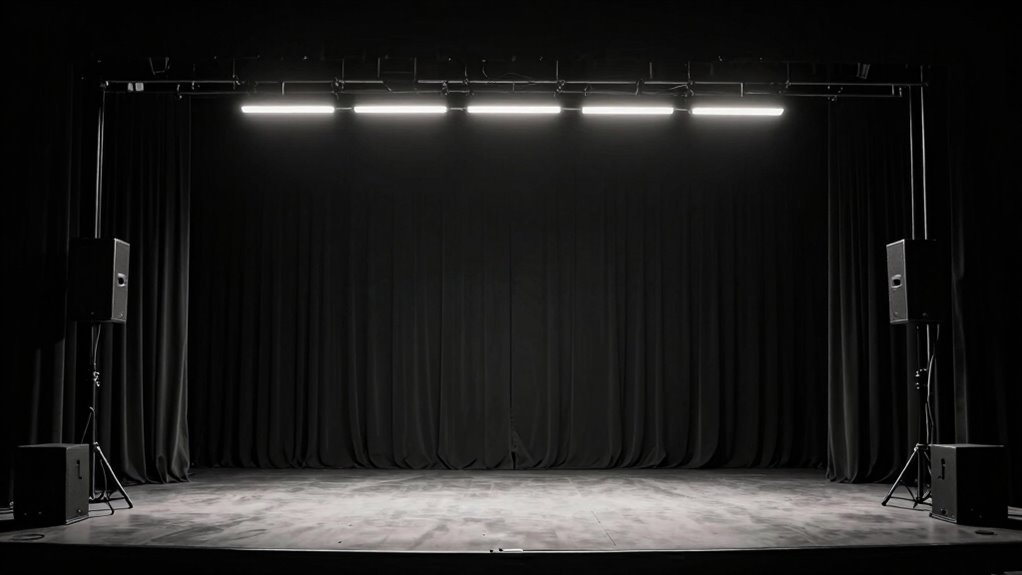

A straightforward stage rig offers greater reliability and allows you to make quick adjustments during live events. It’s easier to set up, dismantle, and troubleshoot, saving you time and reducing stress. Focus on creating an engaging show instead of struggling with complex equipment. By prioritizing simplicity over features, you’ll maintain better control and ensure a smoother performance. Keep going to discover how balancing simplicity with functionality can elevate your entire production.

Get audio and creator gear delivered free with Prime
- Fast, free delivery on millions of items
- Prime Video, Amazon Music and more included
- Member-only deals all year
Key Takeaways
- Simplified rigs improve performance reliability and make troubleshooting quick during live shows.
- Fewer features reduce setup complexity, saving time and minimizing operator errors.
- A straightforward system enhances focus on core elements like lighting and sound quality.
- Less equipment and connections decrease transportation effort and setup fatigue.
- Simplicity ensures a more adaptable, reliable setup that prioritizes audience experience over technical complexity.
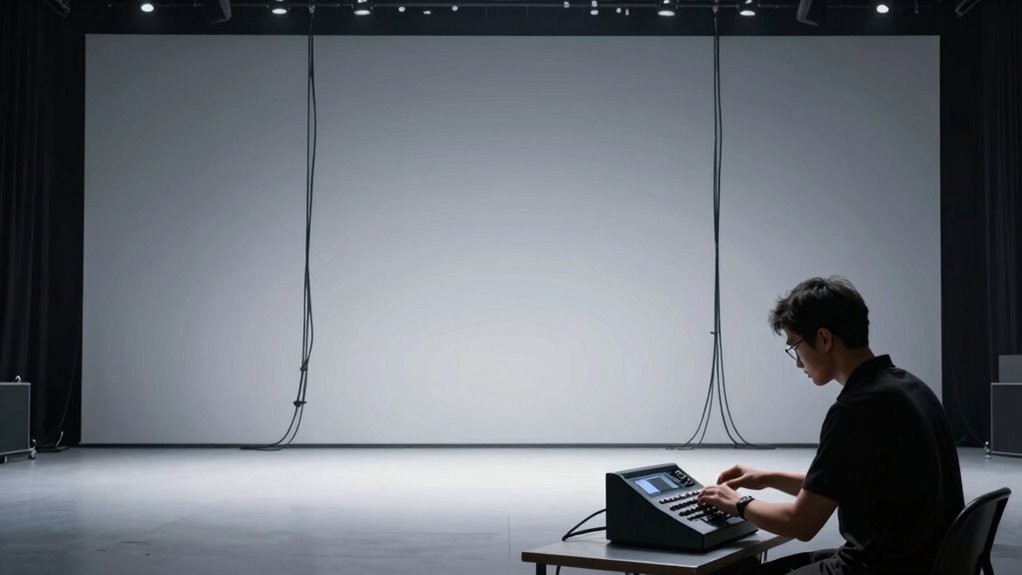
When it comes to designing stage rigs, simplicity often leads to better results. You might think that packing in as many features as possible will create a more impressive setup, but in reality, overcomplicating your rig can hinder your performance. A straightforward design allows you to focus on the essentials—lighting design and sound integration—without the distraction of unnecessary complexity. When your rig is too cluttered or overloaded, it becomes harder to troubleshoot issues quickly and efficiently during a live event. A simple setup means you can easily identify what’s working and what’s not, ensuring a smooth show from start to finish.
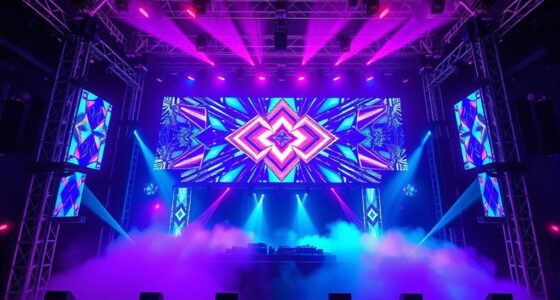
Prioritizing simplicity doesn’t mean sacrificing quality; it’s about making smarter choices. For lighting design, choose versatile fixtures that can serve multiple roles rather than a wide array of specialized equipment. This reduces the number of cables, connections, and adjustments you need to manage during the performance. When your lighting is streamlined, you’ll find it easier to create dynamic effects and transitions without fighting against a convoluted system. This clarity allows you to craft a visually compelling atmosphere with less effort and fewer opportunities for technical glitches. Additionally, a streamlined lighting setup enhances the overall efficiency of your production process, making it easier to adapt to changing needs on the fly.
Choose versatile fixtures to simplify setup, enhance effects, and minimize technical issues during performances.
Sound integration benefits just as much from simplicity. Instead of trying to incorporate every possible audio feature, focus on reliable, well-calibrated equipment that provides clear, balanced sound. Simplifying your sound system reduces the risk of feedback, phase issues, or uneven coverage. Keep your mixer setup straightforward, with clearly labeled channels, so you can make adjustments swiftly when needed. When the sound system is uncomplicated, you can respond faster to unexpected problems, maintaining the audience’s engagement and ensuring a professional presentation.
Furthermore, a simple rig is easier to transport, set up, and dismantle. This efficiency saves you time and reduces fatigue, allowing you to spend more time on fine-tuning your lighting design and sound integration rather than wrestling with unnecessary gear. It also makes troubleshooting easier if something goes wrong mid-show. Instead of sifting through a labyrinth of equipment, you can quickly isolate and fix issues, minimizing downtime and keeping the energy flowing. Utilizing standardized equipment can further streamline your setup process and enhance overall reliability.
Ultimately, the goal of any stage rig is to support your performance, not overshadow it. By embracing simplicity, you create a more reliable, adaptable, and manageable setup. This approach allows you to concentrate on delivering a captivating show, confident that your lighting design and sound integration will work seamlessly together. Less truly is more when it comes to stage rigs—because a straightforward setup empowers you to focus on what really matters: delivering an unforgettable experience.
versatile stage lighting fixtures
As an affiliate, we earn on qualifying purchases.
As an affiliate, we earn on qualifying purchases.
Frequently Asked Questions
How Does Simplicity Improve Stage Safety?
Simplicity improves stage safety by minimizing clutter and reducing the risk of accidents. When your rig is straightforward, you can quickly identify and address potential hazards, keeping everyone safe. It also enhances stage aesthetics by creating a clean look, which helps maintain focus and audience engagement. A simple setup allows performers to move freely without tripping over complicated gear, ensuring a safer environment for all involved.
Can a Simple Rig Handle Complex Lighting Setups?
A simple rig is like a sturdy skeleton that can support complex lighting aesthetics without wobbling. While it may seem limited, you can customize it to handle intricate setups, turning your stage into a canvas of light. The key is in thoughtful rig customization, ensuring your setup remains manageable yet versatile enough to bring your creative vision to life. Simplicity keeps the focus on the art, not the machinery.
What Are Common Mistakes When Overcomplicating Stage Rigs?
When overcomplicating your stage rig, you often overlook technical complexity and aesthetic balance. Common mistakes include adding too many features, which can cause confusion and technical issues, and neglecting the visual harmony of your setup. You might also underestimate the importance of simplicity, leading to a cluttered look that distracts from your performance. Keep your rig straightforward to guarantee reliable operation and a cohesive aesthetic, enhancing the overall stage experience.
How Does Simplicity Affect Setup and Teardown Time?
Simplicity speeds up setup and teardown, like a well-oiled machine, saving you valuable time. When your rig is straightforward, you spend less time troubleshooting and more time focusing on your performance. This boosts cost efficiency by reducing labor hours and minimizes wear on equipment, enhancing durability. With fewer components to handle, you can pack up faster and guarantee everything stays in top shape for future gigs.
Is There a Trade-Off Between Simplicity and Versatility?
There’s often a trade-off between simplicity and versatility, but you can find a balance that boosts cost efficiency and aesthetic appeal. Simplifying your stage rig might limit some features, but it makes setup faster and reduces costs. Focus on versatile core components that serve multiple functions, maintaining a clean, appealing look. This way, you enjoy both ease of use and visual appeal without sacrificing essential capabilities.
Conclusion
Ultimately, simplicity in your stage rig isn’t just about aesthetics; it’s about reliability and focus. When you strip away unnecessary complexity, you reduce the chances of technical failures and keep your performance seamless. Some might argue that more features mean more versatility, but often, less truly is more. Trust me—by embracing simplicity, you’ll find your setup becomes more intuitive, your show runs smoother, and you can truly connect with your audience without distractions.
Fall Picks
fall essentials
As an affiliate, we earn on qualifying purchases.