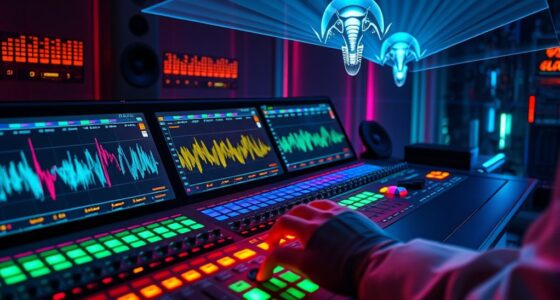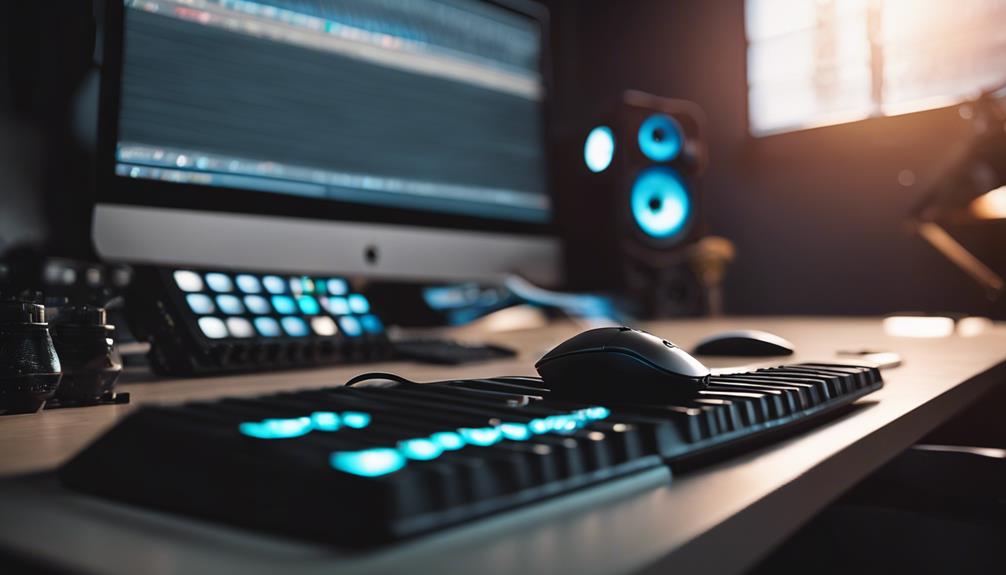
You can use reverb as a creative instrument by shaping decay, pre-delay, and diffusion to craft immersive textures and surreal soundscapes. It’s not just for ambience—you can push it to generate rhythmic echoes, emphasize specific elements, or create otherworldly atmospheres. Digital and analog reverbs each offer unique qualities for artistic expression. Mastering their timing and settings allows you to transform sound into an evolving, breathing element—discover how to unleash its full potential for your projects.

Get audio and creator gear delivered free with Prime
- Fast, free delivery on millions of items
- Prime Video, Amazon Music and more included
- Member-only deals all year
Key Takeaways
- Reverb can be manipulated as a creative tool, shaping decay, pre-delay, and diffusion for unique sonic textures.
- Artists use reverb parameters to craft immersive soundscapes that serve as expressive, musical instruments.
- Extreme reverb settings create surreal effects, transforming spaces into musical environments and textures.
- Reverb parameters can be automated or modulated to produce evolving, instrument-like sound movements.
- Both digital and analog reverbs act as expressive instruments, enhancing emotional impact and sonic experimentation.

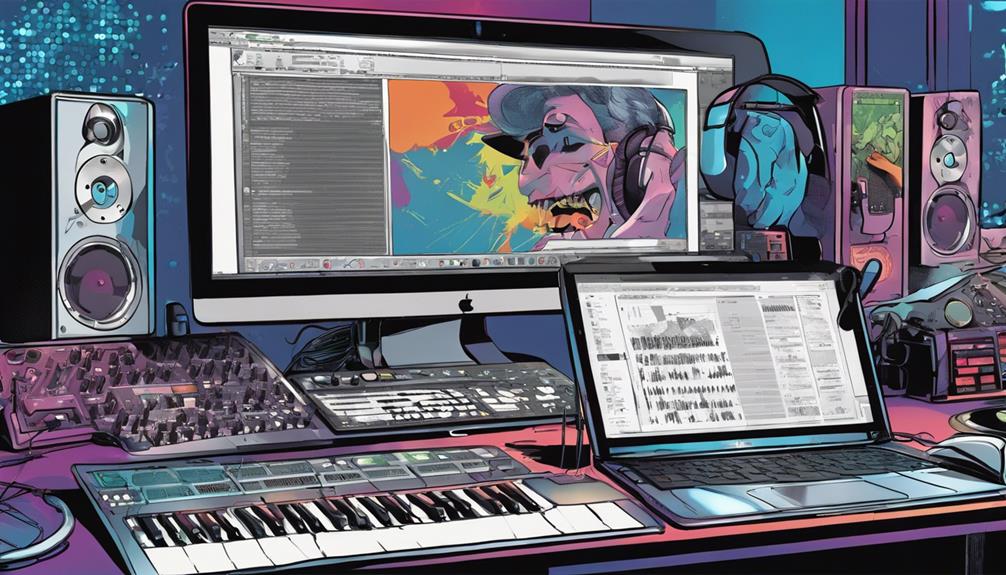
Have you ever wondered how a simple echo can transform a song into a rich, immersive experience? Reverb does just that, adding depth and space that can elevate music from flat to enthralling. When exploring reverb as an instrument, it’s crucial to understand the tools behind it. Digital and analog reverb systems offer different creative possibilities. Digital reverbs are versatile, capable of mimicking various spaces with precise control, making them perfect for studio environments where experimentation is key. Analog reverbs, on the other hand, bring a warmth and character that many musicians and producers find irreplaceable. They often have a more organic feel, with subtle imperfections that add a unique flavor to the sound. Your choice between digital and analog isn’t just about technical specs; it’s about the creative applications they inspire. Digital reverb allows for complex, layered effects and easy recall of settings, making it ideal for sound design or intricate mixes. You can craft lush, expansive atmospheres or tight, controlled echoes that fit precisely within your track. Analog systems, however, lend themselves well to more experimental uses, like creating vintage textures or unpredictable, organic reverberations. You might find yourself using analog reverb to add character to a vocal, giving it a nostalgic or gritty edge that digital can struggle to replicate authentically. Additionally, understanding how sound wave interactions influence reverb can help you better manipulate effects to serve your artistic vision.
Reverb as an instrument pushes beyond traditional mixing. It’s a tool for expression and innovation. For example, you can manipulate the decay time, pre-delay, and diffusion to craft sounds that seem to breathe and evolve. Sometimes, extreme reverb settings create surreal soundscapes, transforming ordinary sounds into otherworldly textures. Creative applications include using reverb to emphasize certain elements, make a sound appear larger-than-life, or even create rhythmic patterns with echoes. Some artists experiment with unconventional placements, like applying reverb to individual instruments or using it creatively in live performances to generate unique atmospheres. The key is understanding how reverb’s parameters interact and how to harness them to serve your artistic vision. Whether you’re aiming for subtle ambiance or dramatic washes of sound, reverb can be a flexible instrument in your sonic toolkit. In the end, your approach depends on your style, the mood you want to evoke, and the specific sound you’re chasing. Both digital and analog reverbs have their place, and knowing when to use each opens up endless creative possibilities. Reverb isn’t just an effect; it’s an instrument waiting to be played to shape your music’s space and emotion.
As an affiliate, we earn on qualifying purchases.
Frequently Asked Questions
How Does Reverb Influence Emotional Perception in Music?
Reverb shapes your emotional perception in music by creating psychoacoustic effects and enhancing spatial perception. When you hear a lush reverb, it can evoke feelings of nostalgia, serenity, or grandeur. The sense of space it adds makes the music feel more immersive and emotionally resonant. By manipulating reverb, you influence how you connect with the music’s mood and atmosphere, intensifying your emotional response and making the experience more compelling.
Can Reverb Be Used Creatively in Live Performances?
Absolutely, you can use reverb creatively in live performances, turning your sound into a playground of spatial illusions. By manipulating reverb settings, you craft immersive soundscapes that enthrall your audience, making your music feel vast or intimate. Think of reverb as a brushstroke—painting textures that breathe life into your performance. This dynamic tool transforms ordinary sound into an extraordinary experience, elevating your live show to new, enthralling heights.
What Are the Best Settings for Different Musical Genres?
For different genres, you should adjust room size and decay time to suit the mood. For jazz or acoustic sets, choose smaller room sizes with shorter decay times to keep clarity. Rock or electronic music benefits from larger room sizes and longer decay times, creating a spacious, immersive feel. Experiment with these settings to find the perfect balance that enhances your musical style and performance.
How Does Reverb Differ Between Digital and Analog Equipment?
Imagine you’re mixing a track and notice digital simulation reverb sounds a bit sterile compared to analog warmth. Digital reverb often offers precise control, consistency, and a wide array of effects, while analog equipment provides a richer, more natural decay that many find more musical. The key difference lies in the warmth and character; analog reverb tends to add a pleasing, organic quality, whereas digital can sound more clinical but highly customizable.
Are There Innovative Techniques for Using Reverb as an Instrument?
You can experiment with reverb to create unique textures and spatial illusions by manipulating parameters like decay, pre-delay, and diffusion. Try layering different reverb types or automating their effects to craft immersive soundscapes. Using unconventional spaces or unconventional reverb settings can push boundaries, transforming reverb into a versatile instrument that shapes mood and atmosphere, engaging listeners with innovative sonic experiences.
Conclusion
Now that you’ve explored reverb as an instrument, imagine the endless possibilities waiting just beyond your reach. With each echo and decay, you hold the power to transform silence into something extraordinary. But will you dare to push its limits further? The true magic lies in the unknown, in the sounds yet to be shaped. So, what will you create next? The reverb’s mystery is only beginning — are you ready to open it?
Halloween Picks
halloween
As an affiliate, we earn on qualifying purchases.