

To revive a loop, try adding rhythmic variation by shifting emphasis on certain beats or introducing syncopation to catch the listener’s ear. Layer polyrhythms or play with offbeat accents to create complexity and surprise. Experimenting with these techniques keeps the groove fresh and engaging. By subtly changing the rhythm over time, you transform a static pattern into a dynamic feel. Keep exploring, and you’ll discover even more ways to energize your loops.

Get audio and creator gear delivered free with Prime
- Fast, free delivery on millions of items
- Prime Video, Amazon Music and more included
- Member-only deals all year
Key Takeaways
- Introduce subtle syncopation or offbeat accents to create rhythmic interest within the loop.
- Shift emphasis to different beats periodically to transform the groove dynamically.
- Layer polyrhythms or add contrasting rhythmic patterns for complexity and freshness.
- Vary the timing or velocity of hits to create a sense of movement and evolution.
- Experiment with rhythmic displacement or swing to breathe new life into repetitive patterns.
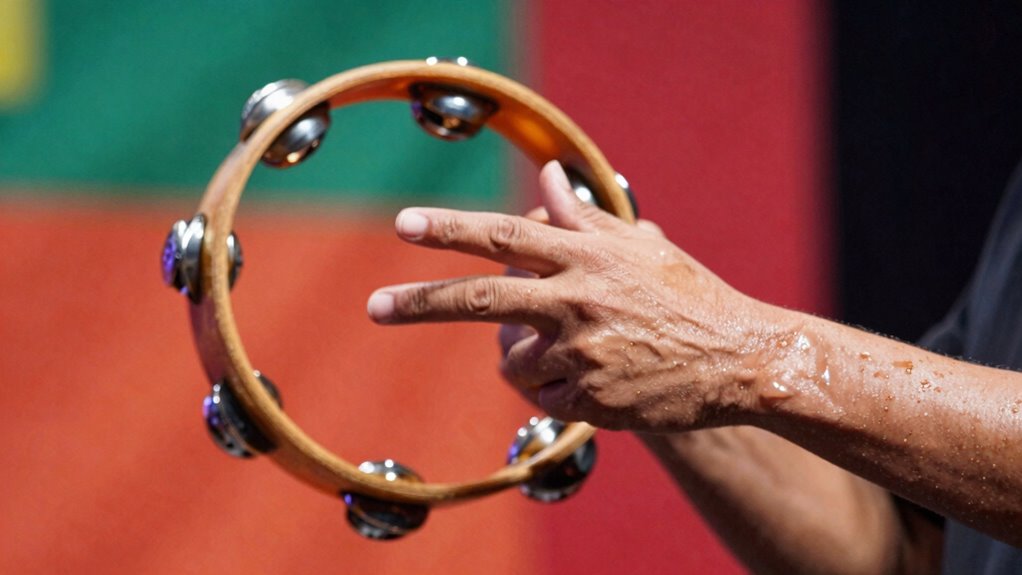
Mastering rhythm variation can surprisingly elevate your musical or performance skills, even if you’ve always played it safe with steady beats. When you start experimenting with different rhythmic patterns, you unlock a new level of musical expression that keeps your audience engaged. One effective way to do this is by understanding the instrumental techniques involved in creating subtle or dramatic rhythm shifts. These techniques include syncopation, offbeat accents, and polyrhythms, which can add complexity and excitement to a simple loop. By deliberately varying these elements, you prevent your performance from sounding monotonous and create a more dynamic listening experience.
Experimenting with rhythmic patterns and techniques like syncopation keeps your music fresh and engaging.
To truly master rhythm variation, it helps to know the historical evolution behind these concepts. Rhythm has played a fundamental role in music for centuries, evolving from simple percussion patterns in early tribal music to the complex syncopations and polyrhythms seen in jazz, African, and Latin music today. This historical context reveals that rhythmic innovation is not just a modern trend but a deeply rooted aspect of musical development. Understanding how different cultures and eras approached rhythm allows you to incorporate those techniques into your own playing or production. For example, jazz musicians often experiment with swing and shifting accents, while African drummers emphasize layered polyrhythms. Recognizing this musical tradition helps you appreciate the diverse ways rhythm has been adapted across cultures. Exploring historical rhythmic techniques can inspire you to develop your own unique rhythmic style. Additionally, studying the evolution of rhythmic patterns across various genres can serve as a valuable source of inspiration for your creative process.
When you work on evolving a loop, don’t just think of it as repeating a pattern. Instead, see it as an ongoing conversation between rhythm and melody. Use instrumental techniques to subtly or boldly change the groove—perhaps by shifting the emphasis on certain beats or by introducing syncopated hits that catch the listener’s ear. This approach breathes new life into a repetitive loop, transforming it from a simple background element into the centerpiece of your performance. Over time, experimenting with these variations will become second nature, and you’ll start intuitively knowing when to keep steady and when to introduce variation. Recognizing the historical evolution of rhythm can inspire you to experiment with different styles and techniques, enriching your musical vocabulary. Embracing these historical insights deepens your understanding of rhythm’s cultural significance, fueling your creative exploration.
loop pedal with rhythm variation
As an affiliate, we earn on qualifying purchases.
As an affiliate, we earn on qualifying purchases.
Frequently Asked Questions
Can Rhythm Variation Be Applied to Any Musical Genre?
Yes, you can apply rhythm variation to any musical genre. It encourages genre crossover and keeps your music fresh, regardless of style. By introducing subtle or bold rhythmic changes, you maintain stylistic consistency while adding excitement. Whether you’re working with jazz, rock, electronic, or classical, rhythm variation helps break monotony and infuse your tracks with energy, making your music more engaging and dynamic for your audience.
How Often Should I Change the Rhythm Variation During a Loop?
You should change the rhythm variation during a loop as often as it feels natural, typically every few measures or during key shifts. Incorporate tempo shifts subtly to maintain energy, and experiment with groove alterations to keep things interesting. Trust your ear—if the loop feels stale, introduce a variation. Regular adjustments keep the groove fresh, engaging your listeners and adding dynamic movement to your music.
What Tools or Software Are Best for Experimenting With Rhythm Variations?
Did you know that 70% of top producers use software for rhythm experimentation? For experimenting with rhythm variations, tools like Ableton Live, FL Studio, or Logic Pro are excellent. They offer advanced features for syncopation techniques and drum pattern manipulation, allowing you to easily tweak and automate rhythms. These programs help you craft dynamic, engaging loops by adjusting timing, velocity, and pattern complexity with just a few clicks.
Does Rhythm Variation Affect the Overall Mood of the Track?
Yes, rhythm variation can considerably influence the mood of your track. When you introduce subtle changes, it can create a sense of tension, excitement, or groove, even if the tempo remains consistent. Maintaining tempo consistency ensures these variations enhance the track rather than disrupt it. By carefully adjusting rhythm, you shape the overall emotional impact, making your music more dynamic and engaging for listeners.
Are There Common Mistakes to Avoid When Trying This Trick?
You absolutely want to avoid common mistakes when trying this trick. Prioritize timing consistency to keep the variation seamless and avoid sounding disjointed. Don’t overdo it—too much variation can confuse the groove and lose the track’s energy. Remember, this technique offers genre flexibility, but rushing the changes or neglecting the flow can undermine your effort. Stay precise and subtle, and your loop will breathe new life effortlessly.
Conclusion
Now that you’ve unlatched the rhythm variation trick, think of your loop as a river that constantly shifts course, flowing with new energy and life. With a simple twist, you’re the conductor steering this musical current, turning a stagnant stream into a vibrant cascade. Keep experimenting, and watch your loops breathe with fresh significance, transforming mere repetition into a dance of endless possibility. Your music now pulses with the heartbeat of innovation—ready to inspire and captivate.
Halloween Picks
halloween
As an affiliate, we earn on qualifying purchases.