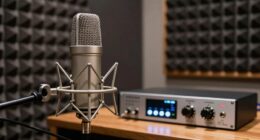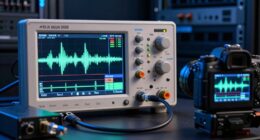

Using field recordings as musical material allows you to add authentic textures and cultural layers to your compositions. Capture ambient sounds from your environment, then process and layer them with traditional or digital instruments to create immersive soundscapes. This approach not only broadens your sound palette but also deepens emotional resonance by incorporating real-world and cultural elements. Keep exploring how these recordings can transform your music and reveal new creative possibilities.
Key Takeaways
- Capture environmental sounds with portable equipment to add authentic textures and atmosphere to your music.
- Process and layer field recordings creatively, blending them with traditional instruments and digital elements.
- Incorporate culturally significant sounds to evoke specific locations, histories, and emotional depths.
- Use ambient textures to create immersive soundscapes that enhance the mood and storytelling of compositions.
- Consider the cultural context of recordings to craft meaningful, authentic, and cross-cultural musical narratives.
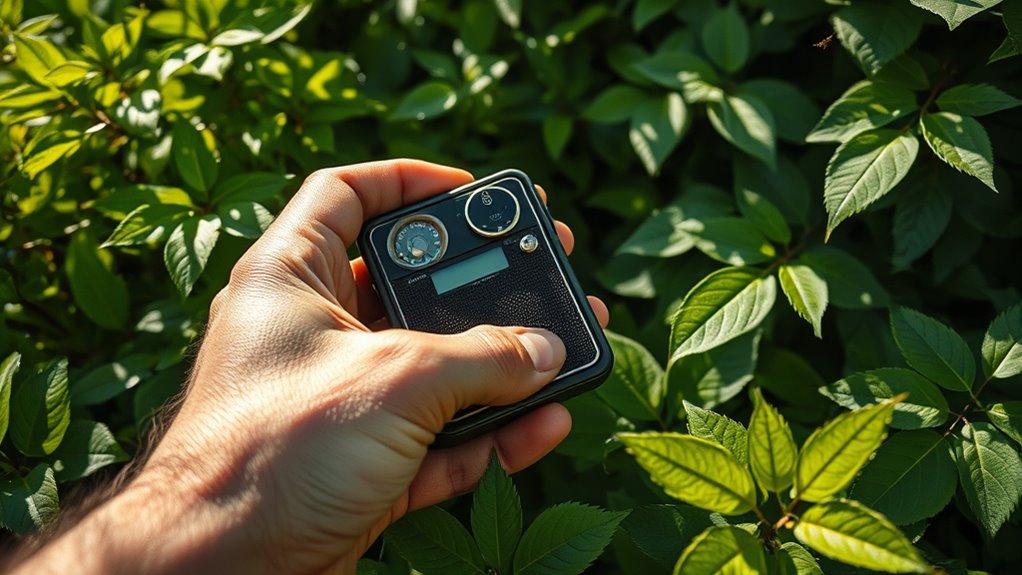
Field recordings have become a powerful tool for musicians seeking fresh textures and textures. When you incorporate these recordings into your music, you open up a world of sonic possibilities that go beyond traditional instruments. One of the most compelling aspects of using field recordings is their ability to create ambient textures. These textures add depth and atmosphere to your compositions, making them feel more immersive and layered. Instead of relying solely on synthesizers or sampled sounds, you can capture the environment around you—street noise, birdcalls, industrial hums—and weave them into your music. This approach not only enriches your sound palette but also invites listeners to experience a sense of place, making your music more visceral and authentic.
As you experiment with field recordings, it’s essential to contemplate their cultural contexts. Every sound carries a story, a history, and a cultural significance that can influence how your audience perceives your work. For example, capturing sounds from a bustling marketplace in a specific city can evoke the atmosphere and cultural essence of that place. When you incorporate such recordings thoughtfully, you’re not just adding interesting sounds—you’re embedding your music with layers of meaning that resonate with cultural identity and social history. This can deepen the emotional impact of your pieces and create a more nuanced listening experience.
Using field recordings also challenges you to think critically about context. You might record a simple sound, like footsteps or a train whistle, and then manipulate it to evoke different moods or settings. By understanding the cultural significance behind certain sounds, you can craft compositions that pay homage to particular traditions or environments. This awareness enriches your creative process and allows you to communicate more effectively through your music. Furthermore, integrating ambient textures from diverse cultural contexts encourages cross-cultural dialogue, giving your work a global dimension. Additionally, understanding the ambient qualities of these recordings helps you to craft more compelling soundscapes that resonate emotionally with your audience.
In practical terms, capturing ambient textures involves paying close attention to the environment and using portable recording equipment to gather sounds organically. Once recorded, you can process and layer these textures into your tracks, blending them with traditional instruments or digital elements. This fusion results in a unique soundscape that reflects both the physical space and the cultural backdrop of your recordings. Ultimately, using field recordings with an understanding of their ambient qualities and cultural significance empowers you to produce music that is not only innovative but also rooted in real-world experiences.
Frequently Asked Questions
How Do I Choose the Best Field Recordings for My Project?
You should choose field recordings that evoke ambient textures and carry cultural significance relevant to your project. Listen carefully to recordings that resonate emotionally and complement your mood or theme. Prioritize sounds that add depth and authenticity, ensuring they enhance your composition. Consider the context and origin of each recording to preserve cultural integrity. Select those that inspire you and seamlessly integrate into your soundscape for a compelling final piece.
What Equipment Is Needed for High-Quality Field Recording?
You need a good microphone and a portable recorder to capture high-quality field recordings. Opt for a versatile microphone type like a shotgun or omnidirectional mic, depending on your environment. Pair it with a reliable portable recorder to guarantee clear sound capture on the go. Don’t skimp on quality—invest in equipment that minimizes noise and captures every detail, because the right gear makes all the difference in your recordings.
How Do I Legally Sample or Use Field Recordings?
To legally sample or use field recordings, you need to ensure copyright considerations and licensing options. Always obtain permission from the original creator or copyright holder, or use recordings in the public domain. You can also explore licensing services or Creative Commons licenses that specify usage rights. This way, you protect yourself legally and ensure you’re respecting the rights of others when incorporating field recordings into your music.
Can Field Recordings Be Used in Live Performance Setups?
Imagine your live setup as a sprawling canvas where field recordings become vibrant splashes of color. You can seamlessly integrate these recordings into your live performance, adding depth and atmosphere. Use looping, effects, or real-time manipulation to transform sounds on the fly. This approach not only enriches your sonic palette but also enhances audience engagement, making them feel immersed in a dynamic, textured soundscape that evolves with every moment.
How Do I Manipulate Field Recordings Creatively Without Losing Authenticity?
You can manipulate field recordings creatively by layering ambient textures and applying rhythmic manipulation techniques. Experiment with granular synthesis or time-stretching to preserve authenticity while adding depth. Use subtle EQ adjustments or gentle filtering to maintain natural qualities. Incorporate rhythmic variations to transform recordings without losing their essence. Trust your ears, and aim for a balance that enhances the recording’s character while injecting fresh, creative elements into your music.
Conclusion
As you weave field recordings into your music, imagine the subtle whisper of wind, distant city hums, or the gentle patter of rain becoming your auditory palette. These sounds breathe life into your compositions, transforming everyday moments into vivid sonic landscapes. Embrace the raw textures and imperfect beauty they offer, and let your creativity soar beyond traditional boundaries. With each recording, you craft a vivid tapestry, where nature and noise collide to create something truly unforgettable.