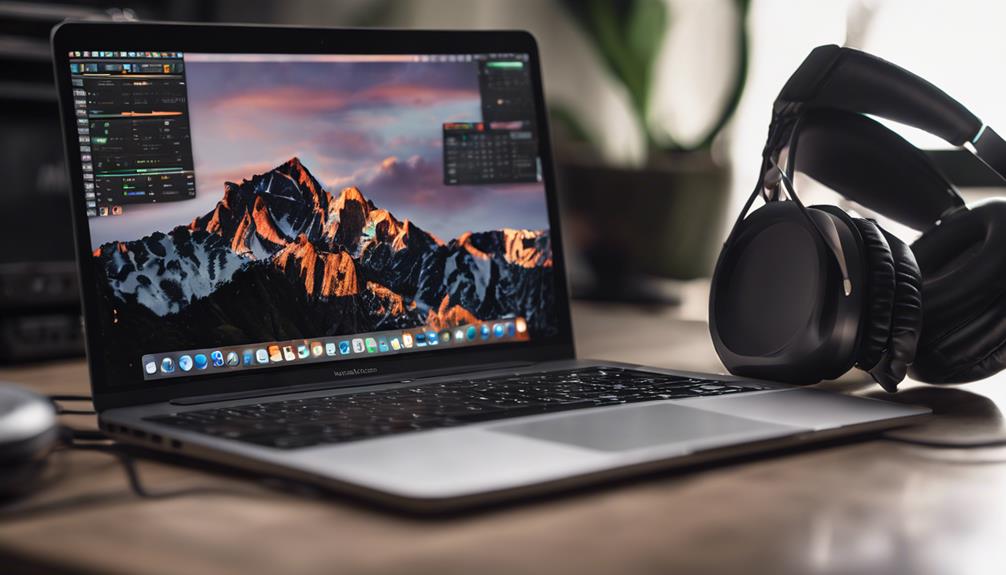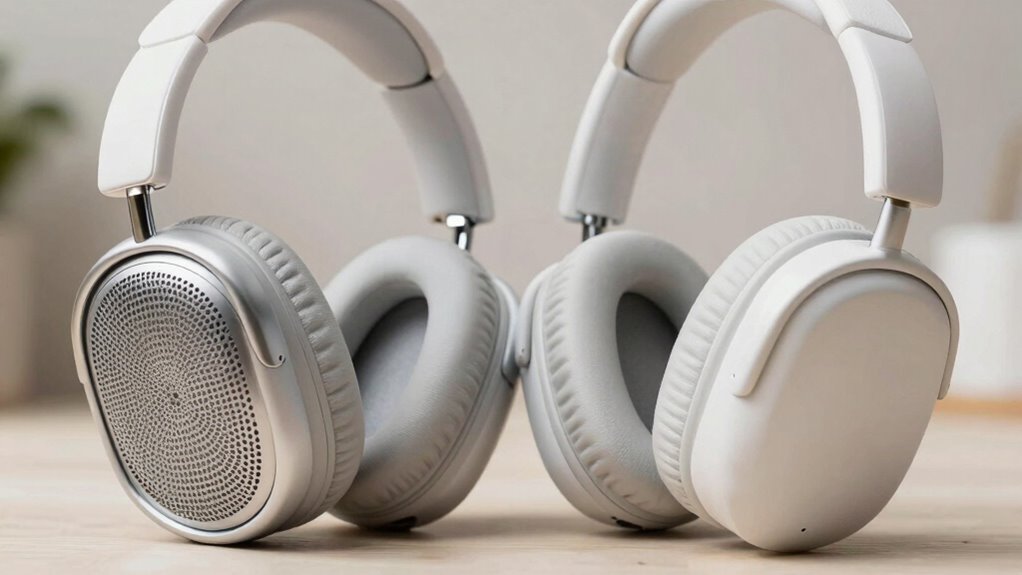
If you prefer a natural, spacious sound and mostly listen in quiet spaces, open-back headphones are your best choice—they offer comfort and excellent sound quality but leak sound and aren’t ideal outdoors. If you need privacy, noise isolation, or plan to use headphones in noisy environments, closed-back models are better—they block noise and prevent sound spill. Want to know which type fits your lifestyle perfectly? Keep exploring for the full comparison and smarter choice.

Get audio and creator gear delivered free — and shop member deals
- Fast, free delivery on millions of items
- Access to Prime Big Deal Days deals on October 6–7
- Prime Video, Amazon Music and more included
Key Takeaways
- Open-back headphones deliver natural, spacious sound ideal for quiet environments, but cause sound leakage and are unsuitable for noisy or shared spaces.
- Closed-back headphones provide superior noise isolation and prevent sound spill, making them better for noisy settings and outdoor use.
- Open-back models stay cooler and are preferred for long listening sessions and critical listening at home.
- Closed-back headphones offer a snug fit, better privacy, and are suitable for commuting or environments requiring focus.
- Choose open-back for comfort and natural sound in private spaces; opt for closed-back for noise isolation and outdoor or noisy environments.

When choosing between open-back and closed-back headphones, understanding their differences can markedly impact your listening experience. One of the most significant distinctions lies in how each type handles sound leakage and noise isolation. Open-back headphones have perforated ear cups or grills that allow air and sound to pass through freely. This design creates a more natural, spacious sound, making you feel like you’re listening in a live environment. However, because sound escapes easily, open-back headphones tend to leak sound outward. If you’re in a shared space or need privacy, this can be problematic, as others nearby may hear what you’re listening to. Conversely, closed-back headphones feature sealed ear cups that contain sound within the ear cups, providing superior noise isolation. They block out much of the ambient noise around you, letting you focus solely on your audio. This makes them ideal for commuting, noisy offices, or studio environments where minimizing sound disturbance is essential.
Open-back headphones offer natural sound and spaciousness but leak sound; closed-back models provide better noise isolation and privacy.
Sound leakage is a key factor to weigh when picking headphones. With open-back models, the open design means your music can be heard by those around you, which might be disruptive in quiet environments. If discretion matters, or if you don’t want your listening to disturb others, closed-back headphones are the better choice. They prevent sound from escaping and reduce external noise from interfering with your listening, giving you a more immersive experience. Keep in mind, though, that the increased noise isolation with closed-back headphones can also make it easier to miss important sounds in your environment, so they’re not always suitable for outdoor use or situations where situational awareness is essential. Additionally, some models incorporate ventilation features to improve comfort during extended use.
Another aspect to weigh is comfort. Open-back headphones generally stay cooler because air circulates around your ears, reducing heat buildup during long listening sessions. This comfort, combined with their natural sound, makes them popular among audiophiles and home listeners. However, their lack of sound isolation means you might need a quiet environment to truly enjoy them. Closed-back headphones, with their snug fit and sound-blocking design, often feel more isolating and can provide a more concentrated listening experience. But they can trap heat and sweat, which might be uncomfortable over extended periods.
Ultimately, your choice hinges on where and how you plan to use your headphones. If you want a natural, open sound and don’t mind sound leakage, open-back models are ideal. If you need privacy, better noise isolation, and less sound spill, closed-back headphones are your best bet. Knowing these differences helps you pick the right pair quickly and confidently for your specific needs.
open-back headphones for audiophiles
As an affiliate, we earn on qualifying purchases.
As an affiliate, we earn on qualifying purchases.
Frequently Asked Questions
Which Headphone Type Offers Better Noise Isolation?
Closed-back headphones offer better noise isolation because they block out ambient noise and reduce soundproofing challenges. You’ll notice less ambient noise interference, making them ideal for focusing in noisy environments. Open-back headphones, while providing a more natural sound, don’t seal around your ears, so they’re less effective at noise isolation. If you want to minimize external sounds, closed-back options are your best choice.
Are Open-Back Headphones Suitable for Outdoor Use?
Open-back headphones aren’t ideal for outdoor use, as they let in ambient noise and leak sound, making it hard to enjoy open air listening. You might feel like you’re fighting a losing battle when it comes to ambient comfort outside. They’re better suited for indoor settings where you can fully immerse yourself without distractions. For outdoor use, closed-back headphones keep noise out and your sound private, making them the smarter choice.
How Do Open-Back Headphones Affect Sound Leakage?
Open-back headphones have a soundproof design that allows sound to escape, so you’ll notice more sound leakage. This leakage control means people nearby might hear your music clearly, especially at higher volumes. If you prefer a private listening experience, this isn’t ideal. However, the open design offers a more natural, immersive sound, making them perfect for quiet indoor environments where sound leakage isn’t a concern.
Can Closed-Back Headphones Improve Bass Response?
Yes, closed-back headphones can improve bass response because their design traps sound waves inside, creating a more immersive and powerful bass experience. You’ll notice enhanced sound quality with richer, deeper lows, making them ideal for genres that emphasize bass. Additionally, they often offer higher comfort levels for extended wear since they isolate noise better, reducing the need for high volume and minimizing sound leakage.
What Are the Best Uses for Open-Back Headphones?
You should use open-back headphones for studio monitoring and soundstage enhancement. They deliver a natural, spacious sound that helps you accurately hear your recordings and mixes. Open-back designs allow air and sound to flow freely, reducing listening fatigue and providing a more immersive experience. They’re ideal when you want a clearer sense of space and detail, perfect for critical listening, production work, or enjoying high-fidelity audio at home.
Conclusion
Now that you know the differences, choosing the right headphones is a breeze. Open-back headphones offer a natural sound and better breathability, perfect for home listening. Closed-back headphones provide isolation and bass, making them ideal for travel or noisy environments. Ultimately, it’s about matching your needs—think of it as fitting the right puzzle piece. When you find the perfect match, you’ll get the best sound experience, and everything will fall into place smoothly.
Halloween Picks
halloween
As an affiliate, we earn on qualifying purchases.