
TL;DR
A company called And Vinyly can turn human ashes into vinyl records, enabling loved ones to listen to recordings of the departed. The service, launched in 2009, costs between £1000 and £3000. The practice offers a new way to memorialize loved ones through music and sound.
A UK-based company, And Vinyly, offers a service to press human ashes into playable vinyl records, allowing loved ones to listen to recordings of the departed after death. This development provides a novel means of memorialization that combines technology and personal memory, making it relevant for those interested in alternative end-of-life options.
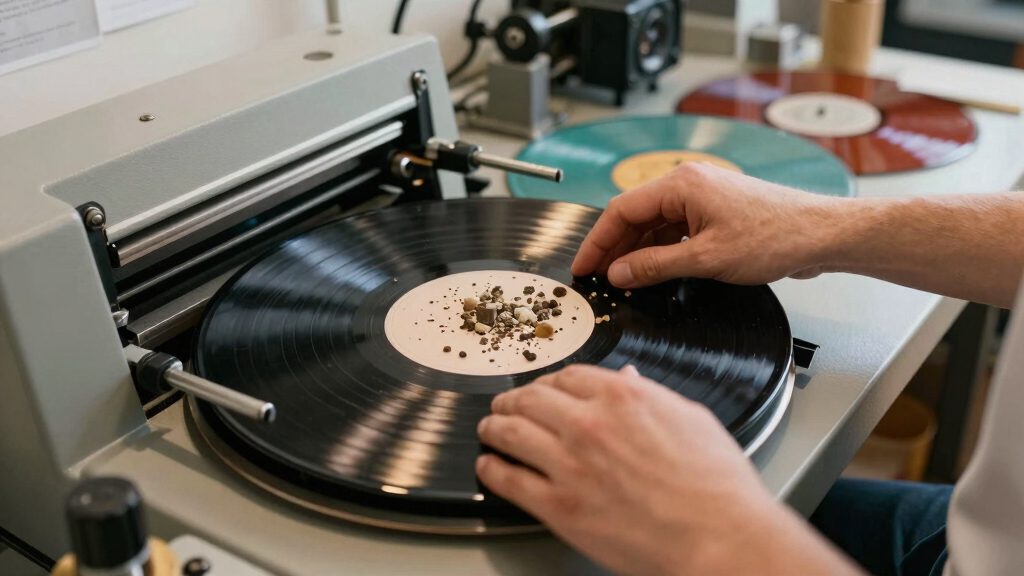
And Vinyly, founded in 2009 by musician and vinyl collector Jason Leach, specializes in transforming human ashes into vinyl records. The process involves mixing a small amount of cremated remains into the vinyl material during pressing, resulting in a record that can be played on standard turntables. The service costs between £1000 and £3000, depending on the number of records produced and specific customization options.
According to the company, the recordings can include voices, sounds of nature, or silence, but not copyrighted music, as the process does not support licensing for protected content. The service has gained attention for its emotional and personal approach to remembrance, exemplified by a documentary about a son who used recordings of his mother to create a vinyl record, which he described as a way to keep her presence alive.
Why It Matters
This offering introduces a new dimension to end-of-life memorials, blending physical remains with personal sound recordings to create lasting, tangible memories. It appeals to individuals seeking personalized, unconventional ways to honor loved ones and may influence future practices in memorialization and funeral services.

DUST & ASHES from both sides Custom Fidelity LP
As an affiliate, we earn on qualifying purchases.
As an affiliate, we earn on qualifying purchases.
Background
The concept of transforming remains into meaningful objects is not new; historically, bones have been used to craft musical instruments or ornamental items. The recent media coverage highlights the increasing diversity of end-of-life options, including space burial, cremation diamonds, and now, vinyl records. Since its inception, And Vinyly has maintained a niche but dedicated clientele, with the service gaining renewed attention in 2026 amid broader discussions about personalized memorial practices.
“Sound is vibratory; when you hear someone’s voice on a record, you’re actually moving the air around you. That’s what makes it so powerful.”
— Jason Leach, founder of And Vinyly
“I know my mother wouldn’t have thought it was creepy. She’d have thought it was a hoot.”
— A son featured in the documentary about using recordings for a vinyl record
What Remains Unclear
It is not yet clear how widespread the adoption of this service will become or how the industry will regulate the process. There are also questions about the legal and ethical implications of pressing human remains into commercial products, which remain under discussion.
What’s Next
Next steps include increasing public awareness, potential regulatory considerations, and expanding the range of personalization options. The company may also explore partnerships with funeral homes and memorial services to broaden access.
Key Questions
Is it legal to press human ashes into vinyl records?
Legal considerations vary by jurisdiction; the company operates within UK regulations. Prospective clients should verify local laws regarding the handling and use of human remains.
Can I include copyrighted music or recordings?
No, the service does not support copyrighted music. You can include personal voices, sounds, or silence, but not licensed tracks.
How long does the process take?
The timeline can vary, but typically it takes several weeks from order to delivery, depending on the number of records and customization.
What are the costs involved?
The basic service generally costs between £1000 and £3000, depending on the number of records and specific features requested.
Are there ethical concerns with this practice?
Some may view it as unconventional or controversial, but many see it as a meaningful way to remember loved ones. Ethical debates are ongoing and depend on personal and cultural perspectives.